Physical fallout from the Corbin return
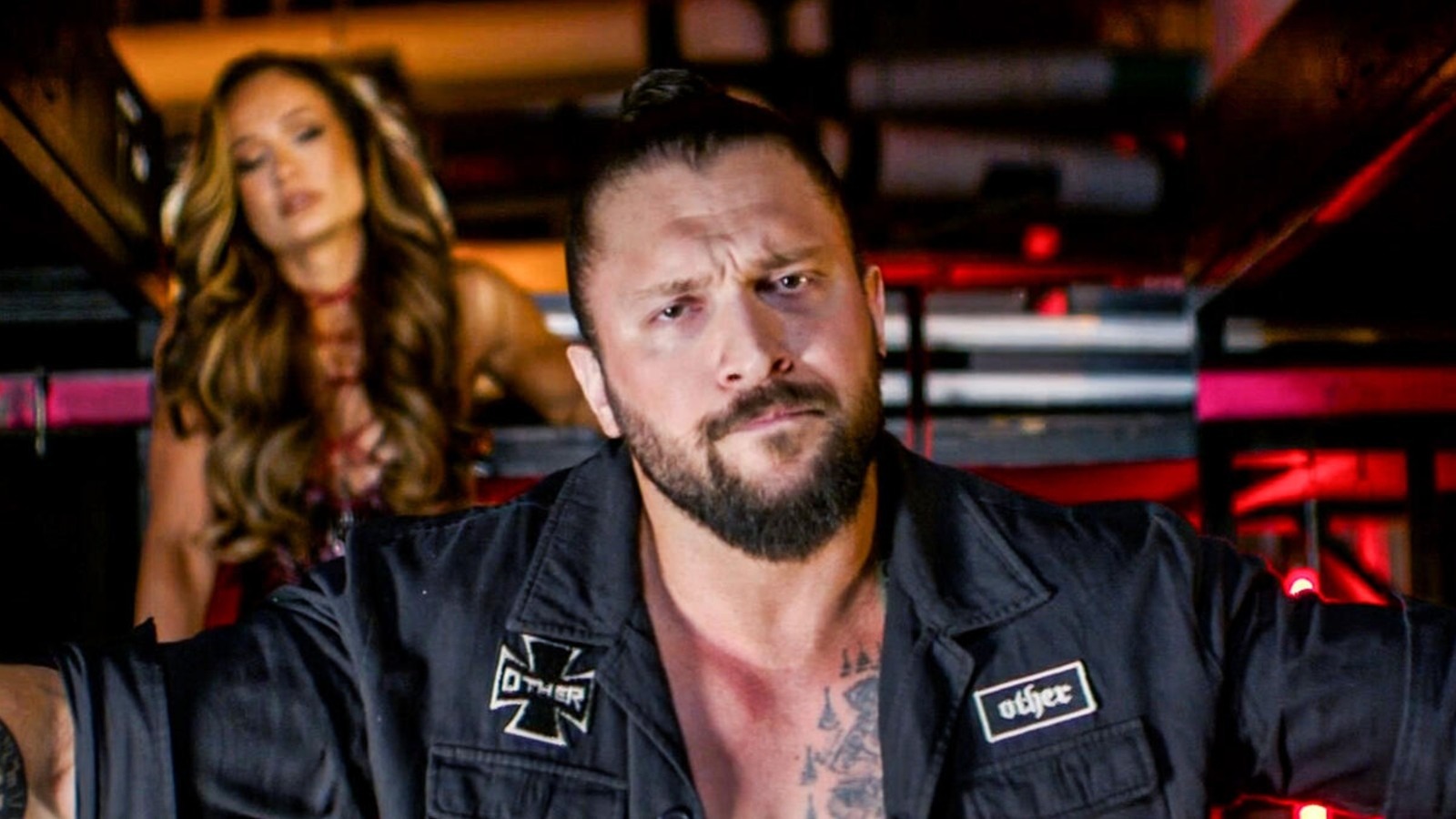
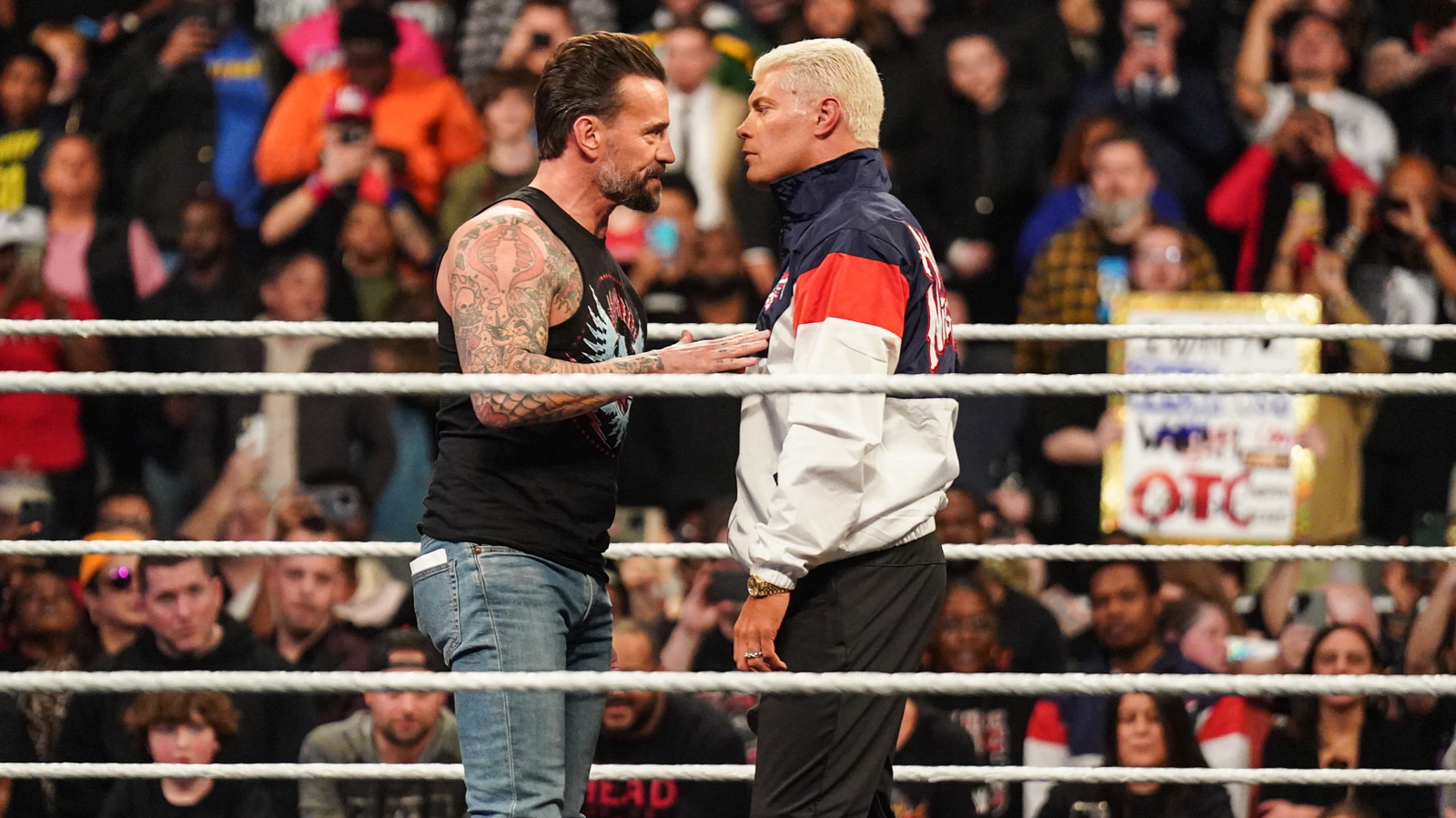
The July 10 episode of Friday Night SmackDown at the Paycom Center concluded with a massive shift in momentum. Baron Corbin made a surprise return, targeting both Trick Williams and Carmelo Hayes in an unprovoked backstage and ringside assault, as reported by Wrestling Inc.
The physical toll on both athletes remains a significant concern for the blue brand. While Williams had been riding a high following the unveiling of his specialized custom United States Championship, the attack by the returning Corbin has left both men in a precarious physical state.
Lack of official medical confirmation
WWE has yet to issue a definitive medical bulletin regarding the condition of either performer. The abrupt nature of the broadcast, which cut away as Cody Rhodes was making his way toward the ring, left fans without immediate closure on the status of Williams or Hayes, according to released post-show footage.
Without a formal diagnosis, we are looking at a recovery window that fluctuates by the hour. Typically, impact trauma to the neck or ribs from such a concentrated attack requires at least four to six days of monitoring before a return to in-ring competition can be cleared. The lack of an update suggests the promotion is keeping the narrative focused on the immediate implications of the rivalry rather than the clinical prognosis.
Strategic implications for the division
The return of Corbin creates an immediate disruption for the United States title picture. Trick Williams was building significant momentum, but this attack acts as a reset button on the booking of his current reign. If the promotion keeps him shelved for even a brief period, the potential for a fresh feud is high, but the momentum gained from the custom belt branding might cool off significantly.
Looking at past precedents, surprise returns often serve to elevate the returning talent at the expense of established mid-card stars. Corbin, appearing with a new nickname, clearly intends to dominate the space occupied by Williams and Hayes. This booking choice is objectively a gamble; cutting off a popular run for Williams in favor of a shock return is a high-risk move that might alienate segments of the audience who were invested in the current championship arc.
Analyzing the booking risk
There is a recurring issue in how high-octane segments are staged during Friday nights. By focusing heavily on the shock value of the return, the long-term health and credibility of the champions are often left in a gray area. Williams and Hayes were positioned as the future of the brand throughout the early segments, yet they were left prone on the ringside floor as the broadcast window vanished.
The reliance on these sudden, violent interruptions creates a repetitive narrative rhythm. WWE continues to struggle with balancing the long-term narrative utility of a belt with the short-term requirements of a chaotic surprise return. Whether this leads to a title program remains to be seen, but the optics are rarely favorable for the talent on the receiving end of the beatdown.
We remain in a waiting pattern for an official update from the medical team in Oklahoma City. Until the next broadcast, the status of both men remains one of the bigger questions for the upcoming week. The industry expects a resolution, but for now, the reality is a stalled push for two of their most promising stars.
The ripple effect is clear: if Williams misses time, the 40 percent of the show currently built around his championship identity will need to be reallocated. The company has to move fast to ensure the division does not stagnate while the primary protagonist recovers from the interference. Ultimately, the success of this angle depends entirely on what happens during the next 48 hours of programming.