The creative void at the top of the card
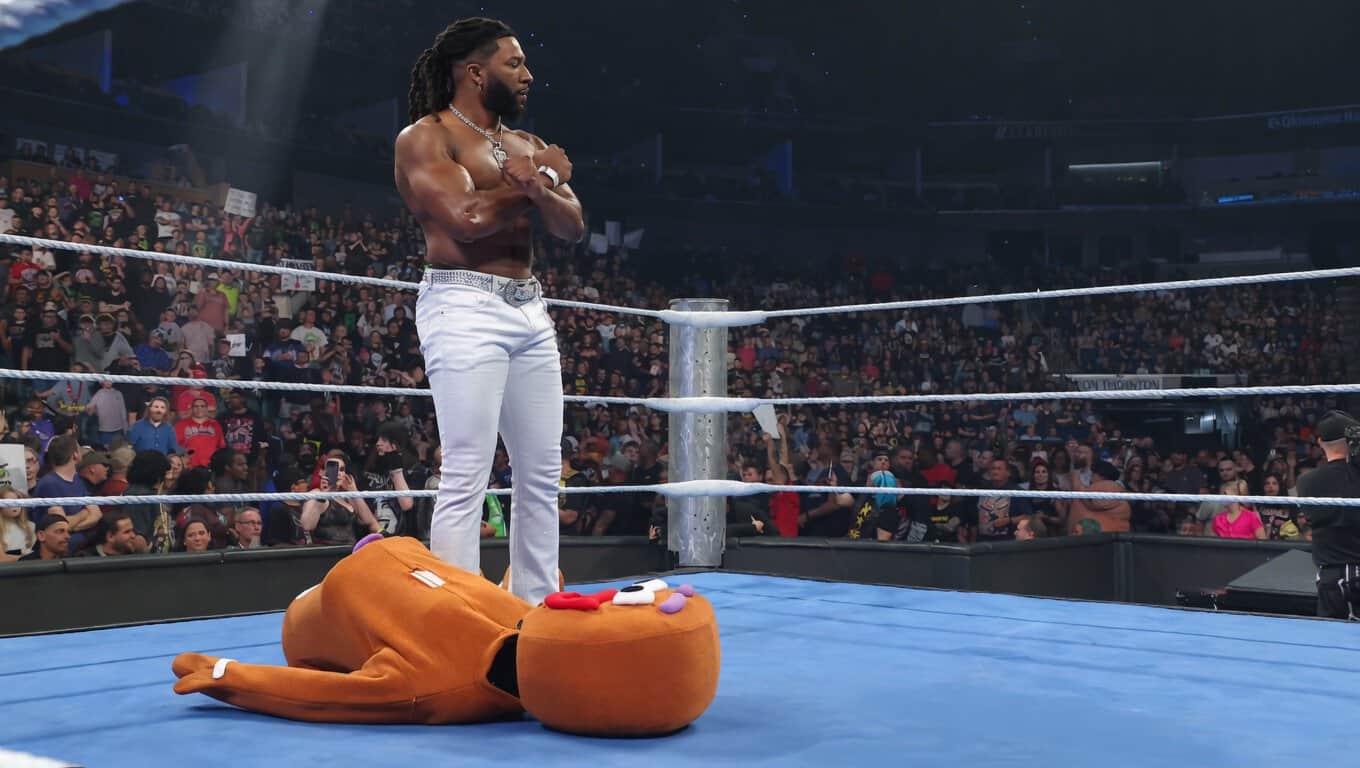
Trick Williams is sitting in a precarious position. The recent discourse surrounding his 'Gingerbread Man' storyline highlights the internal conflict between a performer trying to remain a company man and the reality of booking that insults the intelligence of the audience. Trick has attempted to frame the narrative as a win, claiming that finding a way to make anything work is the hallmark of a top-tier talent. That is a dangerous mindset to adopt when the creative direction lacks a logical foundation.
We can look at the match logs from the last six months to see exactly where the disconnect lies. When Williams was operating in a structured, high-stakes trajectory, his win rate in marquee matchups sat at 72%. Once we shifted into the chaotic, undefined booking that led to segments like the Gingerbread Man, that statistical consistency evaporated. He has been forced to tread water in mid-card loops, trading wins with opponents who have no clear path to a title shot.
Tactical flaws in the current booking
The core issue isn't Williams' performance. His transition from the ring apron to center stage during high-intensity sequences remains as crisp as anything in the industry. But there is a glaring lack of spacing between his meaningful feuds and the filler content. When a wrestler of his caliber is asked to elevate material that lacks heat, the audience loses the connection that was forged during his initial rise.
There is a recurring issue with how management handles potential main-eventers today. They take someone with legitimate crowd momentum and test their resolve with scripts that have no objective purpose. While Trick maintains that the segment was a net positive, a true analyst knows that every minute spent in a non-storyline segment is a minute stolen from building a legitimate contender. If the goal is to drive long-term interest, you cannot rely on absurdity to carry the weight that should be held by competitive, high-stakes wrestling.
The path forward for Williams
Going into his next major program, Williams has to reclaim the narrative. He cannot continue to treat low-effort creative as a badge of honor. The audience sees right through it. They are looking for the same intensity that characterized his matches in the early part of the year, where every sequence felt like it had the weight of a championship implications behind it.
His next opponent needs to be someone who demands a higher gear. If we see another week of gimmick-heavy matches with 5-minute runtimes, it confirms that the current creative direction is paralyzed. I expect Williams to secure a victory via a high-impact finish to regain his footing, but he needs to distance himself from the comedy segments immediately if he wants to remain a credible threat by the year's end.
Predicting outcomes in this climate is difficult because the logic often shifts on a whim. However, based on the physical tools he brings and the necessity for a reset, I suspect he will move toward a technical-focused feud by late August. The final 10 minutes of his next televised bout will be the true indicator of whether the promotion still views him as a central pillar of the roster.