The shadow over Freedom 250
UFC Freedom 250 is just weeks away, but the conversation has shifted. The focus is no longer exclusively on the physical matchups scheduled for the cage. Recent online activity involving high-profile personalities has created a distraction that the promotion is struggling to manage.
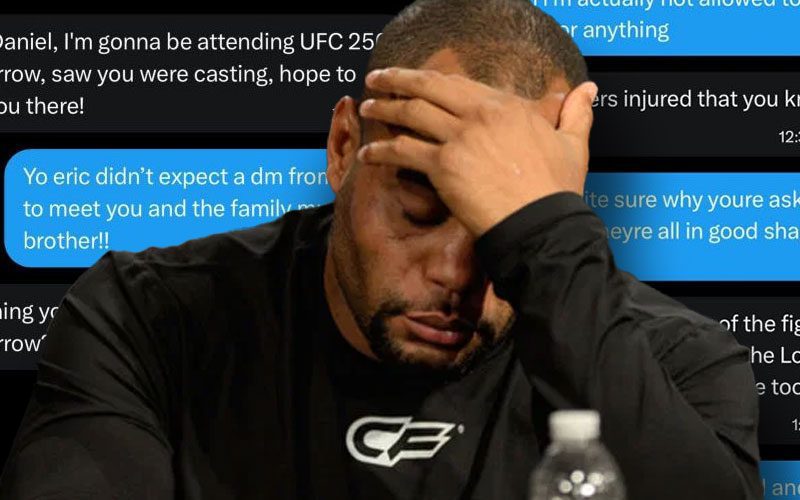
As Ringside News recently detailed, Daniel Cormier ignited a firestorm by posting and then deleting screenshots. These images suggested private correspondence from an account associated with Eric Trump questioning the legitimacy of previous UFC events held at the White House. The move rippled through the industry, forcing fans to look closer at the intersection of political influence and fight outcomes.
The credibility gap in professional fighting
Wrestling and MMA fans are historically sensitive to questions of fight-rigging. When a figure as prominent as Cormier dips into this arena, it forces the promotion into a defensive posture. Internal concerns reportedly center on how this speculation impacts the perceived integrity of the upcoming pay-per-view card.
The probability of this evolving into a systemic crisis is moderate. If the promotion fails to address the underlying narrative, the goodwill built over steady revenue quarters will suffer. Critics argue that the UFC's inability to distance itself from these controversies is a failure of brand management. High-stakes sporting events require a vacuum of controversy to maintain their premium pricing.
The trajectory of athlete speculation
Transfer rumors in this climate often mirror the broader volatility of the sport. Wrestlers and fighters alike are watching how these controversies damage or elevate the reputations of those involved. Should this friction persist, high-level talent may push for tighter control over their own public branding during negotiations.
The timeline for any fallout is immediate. Fighters are currently in the final weeks of their training camps for the June and July circuit. Any disruption in team focus could translate to lackluster performances in the cage, dragging down the entertainment value for the viewer. The standard for a successful event requires a 90 percent completion rate on scheduled bouts.
Creative direction and market positioning
Beyond the drama, the promotion needs to pivot back to athletics. The creative team has consistently struggled to separate the spectacle of the event from the backstage chaos that dominates social media. It serves as a reminder that even the most well-funded operations are susceptible to the unpredictability of human error.
A failure to isolate the event from the controversy will leave a lasting mark on the promotion's summer slate. Fans looking for high-octane performances, such as a crisp double-leg takedown leading into a rear-naked choke at the 12-minute mark, may find the atmosphere dimmed by these lingering questions. The integrity of the sport is the only currency here.
The expected impact of current unrest
This situation points to a softening of brand trust. If the promotion ignores the public outcry, they risk alienating the hardcore viewership that drives merchandise sales and early buys for major events. Investors, meanwhile, are likely looking for a swift resolution to the social media instability.
Expect the company to lean heavily into technical storytelling to regain control. Shifting the spotlight toward specific weight class rankings and upcoming challenger tournaments is the safest bet to move the needle. A return to pure competition is the only mechanism that mitigates the current reputational slump.
Finally, look for tighter media policies in the coming weeks. The days of allowing fighters or broadcast talent to operate without internal oversight regarding external political discourse are effectively finished. Strict directives will be the new norm to protect future broadcast partnerships.