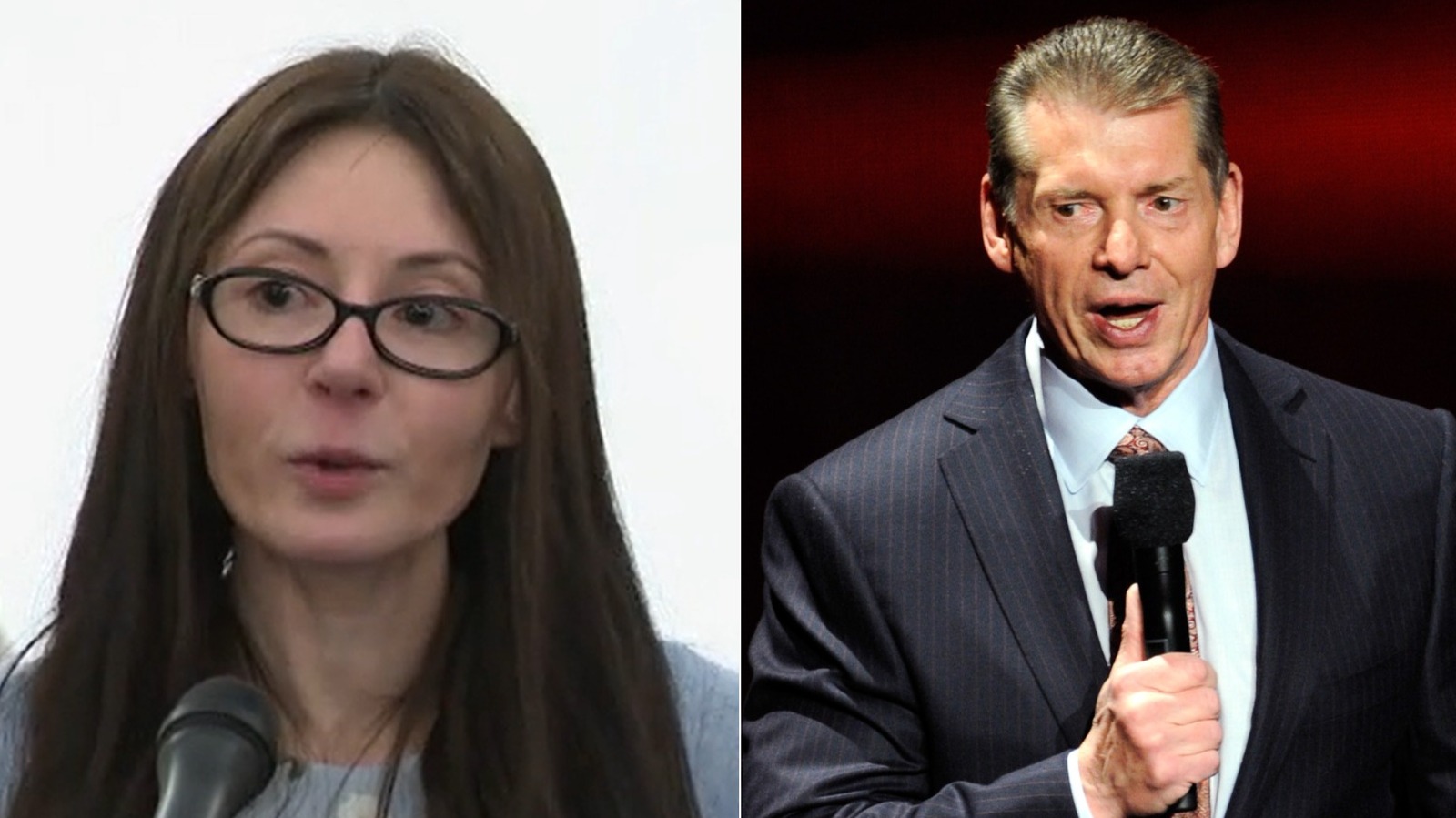
The arbitration pivot
The public legal battle between Janel Grant, Vince McMahon, and WWE just hit a massive, quiet turn. As reported by WrestleTalk, all parties have agreed to move the high-stakes trafficking lawsuit into private arbitration. This shifts the process out of the public domain and away from the courtroom floor.
For those watching the corporate side, the move is a defensive reset. While court documents are sparse, the transition to arbitration effectively ends the cycle of deposition leaks, such as the recent transcript disclosures linking Nick Khan to initial information leaks. The corporate implications are seismic, but the creative fallout for WWE's programming is often overlooked.
Creative friction and the legacy shadow
WWE is currently enjoying a surge in interest. The upcoming London Raw at the O2 Arena is currently tracking to outperform standard year-to-date ticket sales, as noted by F4WOnline. Despite the commercial heat, the lingering specter of McMahon’s era creates an awkward booking dynamic for the modern product.
We have reached a phase where the product has to actively define itself against its own history. This is not just a branding exercise; it is a necessity for internal stability. When former performers mention pitching returns that involve abducting the former chairman, like the bizarre Heidenreich pitch revealed recently, it serves as a reminder of how intertwined the old guard’s persona remains with the industry's darker creative impulses.
The reality of the situation
The probability of this arbitration settling the dispute permanently is high, given the shared interest in keeping details locked behind closed doors. Arbitration effectively stifles the evidence-sharing process that has dominated wrestling news cycles for the past 18 months. Expect no further public depositions from this matter moving forward.
The critical flaw in the current WWE creative strategy remains this ongoing atmospheric weight. While ticket sales in London prove the brand is robust, the company continues to battle a 0% chance of fully distancing itself from the fallout while these legal questions remain unanswered in a private setting. The fans are voting with their wallets for the current roster, yet the legal shadow looms large.
Projecting the impact
The expected impact of this transition to arbitration is a total communications blackout regarding the specific merits of the allegations. WWE will likely double down on its current creative direction, pushing more of the high-energy, international-tour-focused content that successfully sold out the O2. Expect the company to pivot hard toward their upcoming PLE dates.
However, the skepticism remains fair. Moving the trial to arbitration does not delete the history of the allegations; it only hides the path to resolution. For the creative team, the mission remains constant: distance the on-screen product from the executive controversy by delivering high-intensity match-ups that generate noise for the right reasons. If they fail to keep the focus in the ring, the quiet of the courtroom will do nothing to stop the volume of the discourse online.