The 1999 hangover that never ends
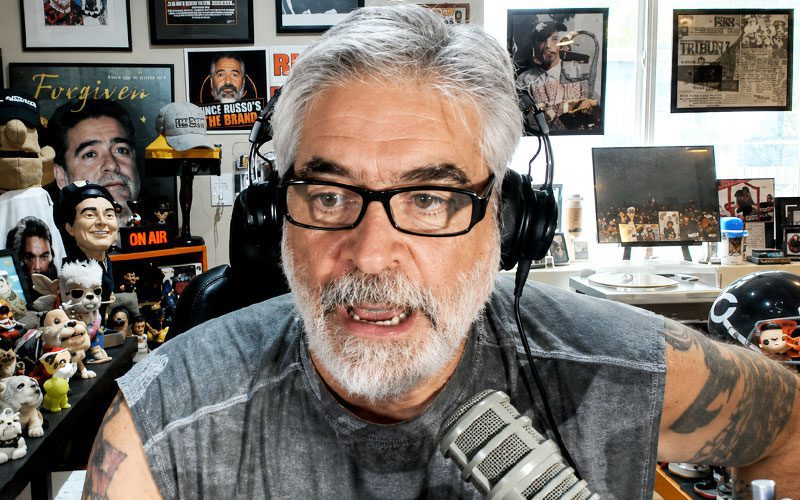
If you have been hovering around the wrestling discourse lately, you know exactly what Vince Russo is up to. He has spent the last seventy-two hours firing off warnings to current WWE stars who dare to suggest the product today is leaps and bounds ahead of the chaotic, crash-TV-fueled mess that defined 1998 to 1999. It is the classic “old man yells at cloud” routine, but with more references to booking sheets and ratings plateaus.
Russo thinks these performers are disrespecting the foundations of the industry. He cites the star power of the Attitude Era and claims the current roster couldn't hold a candle to the combined drawing power of Stone Cold Steve Austin and The Rock. It is an argument that falls flat once you actually look at the content. Having a handful of titans doesn't excuse a business model built on pole matches and endless chair shots to the head.
The difference between heat and garbage
Russo conflates cheap heat with long-term storytelling. Yes, the Attitude Era moved the needle. It was a cultural phenomenon where millions tuned in to see if Mabel would get pushed off a bridge or if someone was being thrown into a woodchipper. But let’s not pretend that was peak wrestling. It was peak entertainment, sure, but the actual craft of what happened inside the ropes was often a catastrophe.
The current product is miles ahead in terms of pure, physical execution. I watched the recent main event sequences from the latest PLE, and the psychology displayed made anything from the 1999 Sunday Night Heat era look like a disorganized backyard brawl. That isn't disrespecting the legends. That is acknowledging that Triple H and the current creative team have actually put a structure together that treats both the talent and the audience with some semblance of respect.
I just think that if you are a babyface, you should be a babyface. If you are a heel, you should be a heel. And that's what we did in the Attitude Era. That was the formula.
That is the mantra Russo keeps leaning on. He treats pro wrestling like it is a math equation where you just plug in a hero, a villain, and a blood-soaked spot, and the ratings magically tick upward. It is patronizing to the performers who are currently crafting narratives that don't rely on booking a bra-and-panties match to hold the quarter-hour rating hostage. The business has moved on, yet here he is, holding a printout of the 1999 Nielsen numbers like a shield.
Why the constant revisionism hurts the brand
What is truly exhausting is the revisionist history. Whenever a veteran starts lecturing current stars about how “the business was harder back then,” they ignore the massive shifts in how content is consumed. You can't compare a 2026 reach across streaming, socials, and international markets to the cable landscape of the Clinton administration. It is a fools' errand that ignores how drastically the WWE has refined its production values since the days of WCW losing their shirt in a dumpster fire.
I am not saying the current era is flawless. We see plenty of questionable booking, like the confusing pacing mentioned recently when Jim Ross dropped a nuke on the Backlash booking. There are still times when the creative team spins their wheels, or top talent spends too much time doing nothing for weeks on end. Even the best products have their lulls, but at least we have moved away from the era where every single match ended in a run-in and a disqualification.
Russo wants the world to remember the flash. He ignores the substance that is on display today. When you see a performer like Will Ospreay or the current top-tier WWE talent going thirty minutes, you are seeing a standard of athleticism that just wasn't the focal point back in 1998. Back then, it was about getting the hot tag, doing the finisher, and getting out before the pyro burned the arena down. It worked for that version of the audience, but it is not the benchmark for the sport in 2026.
Final thoughts on the gatekeeping cycle
Fans who grew up on the Attitude Era tend to romanticize the chaos. They want to forget the weeks where nothing mattered, or the storylines that ended with an object being thrown into a deep-fryer. If we want to keep the pulse of this industry strong, we have to stop kneeling at the altar of the past. As Will Ospreay recently pointed out, there is a massive amount of pride in building your own legacy outside of that specific, restricted box.
Let’s leave the nostalgia baiting to the DVD extras and the 1997 pay-per-view recaps. The current roster is in the middle of a hot streak, and frankly, they don’t need the approval of people who think the best days of wrestling are buried under a decade of booking mistakes. If you find yourself agreeing with Russo, maybe look at a few matches from the last six months and count how many times you actually had to skip forward to find some substance. You might be surprised by what you find.