The historical weight of a three-letter acronym
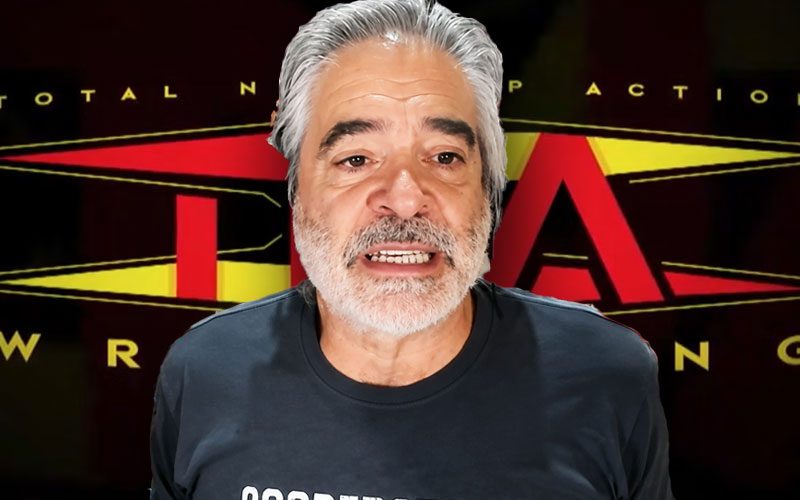
Vince Russo recently asserted that he conceptualized the TNA name as part of a pitch for an adult-themed wrestling product. This claim arrived during a broader discussion about the history of the promotion. While the veracity of the origin story remains a point of contention for long-term observers, the timing of the reveal serves as a stark reminder of how promotions lean into legacy branding even when the underlying concept shifts.
For wrestling fans, the association of the TNA brand with an adult-themed focus feels disconnected from the current product. TNA has spent the better part of a decade trying to distance itself from the creative choices of the mid-2000s. Dragging these narratives back to the surface does little to help the current roster establish their own identity.
Creative friction and the danger of nostalgia
There is a recurring issue in professional wrestling where aging creative figures focus on branding lore rather than current in-ring narratives. Whenever a former writer discusses the 2002 era, it highlights a missed opportunity for the company to move forward. The product, as seen in recent reports by Ringside News, often faces criticism for focusing on gimmicks over consistency.
The creative direction for a company should rely on the talent currently signed to the roster. Relying on the backstory of a name plate is a symptom of a stagnant booking philosophy. If fans are spending more time debating the origin of a name than discussing the mechanics of a specific match, the storytelling has failed at the foundation.
The cost of chasing headlines
Leaning into controversial narratives from twenty years ago acts as a double-edged sword. While it might generate short-term traffic on social media platforms, it creates a specific kind of cognitive dissonance for newer viewers. They are being asked to engage with a brand whose primary selling point is often its own historical baggage.
Furthermore, the fixation on adult-themed origins exposes a lack of confidence in the current product's ability to stand on its own merits without needing a provocative rebrand or a retrospective scandal. A promotion that wants to be taken seriously as a global contender cannot afford to dwell on the brainstorm sessions of 2002.
Probability and outlook
This situation is not a transfer rumor in the traditional sense, but rather a commentary on institutional inertia. The probability of changing the public perception of the TNA name through these interviews is effectively zero. Most viewers are detached from the internal struggles of the writing room.
If the promotion continues to tie its visibility to these types of headlines, the impact on their brand equity will likely be negative. It suggests a lack of forward-thinking vision. The talent deserves a narrative focused on their performance in the ring, not a rehashing of corporate etymology that failed to resonate decades ago. Scaling a business requires shedding the past, yet the current discourse remains stubbornly tethered to it.
Ultimately, the wrestling world would benefit from less focus on the individuals who wrote the previous chapters. We need more attention on the 60-minute iron man match standards that defined the industry's peak, rather than the naming conventions of projects that never survived the pilot stage. Consistency in production and talent safety remain the only metrics that matter for long-term growth.