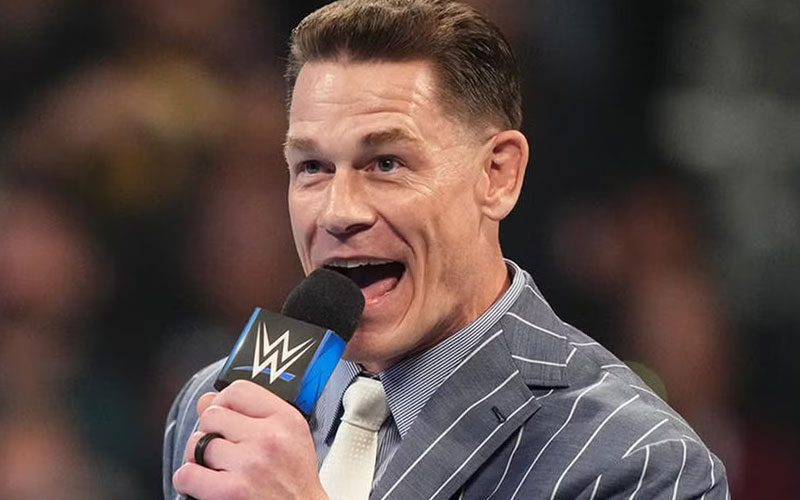
Why AI wrestling matches would be the ultimate insult to the business
The digital void where the ring should be
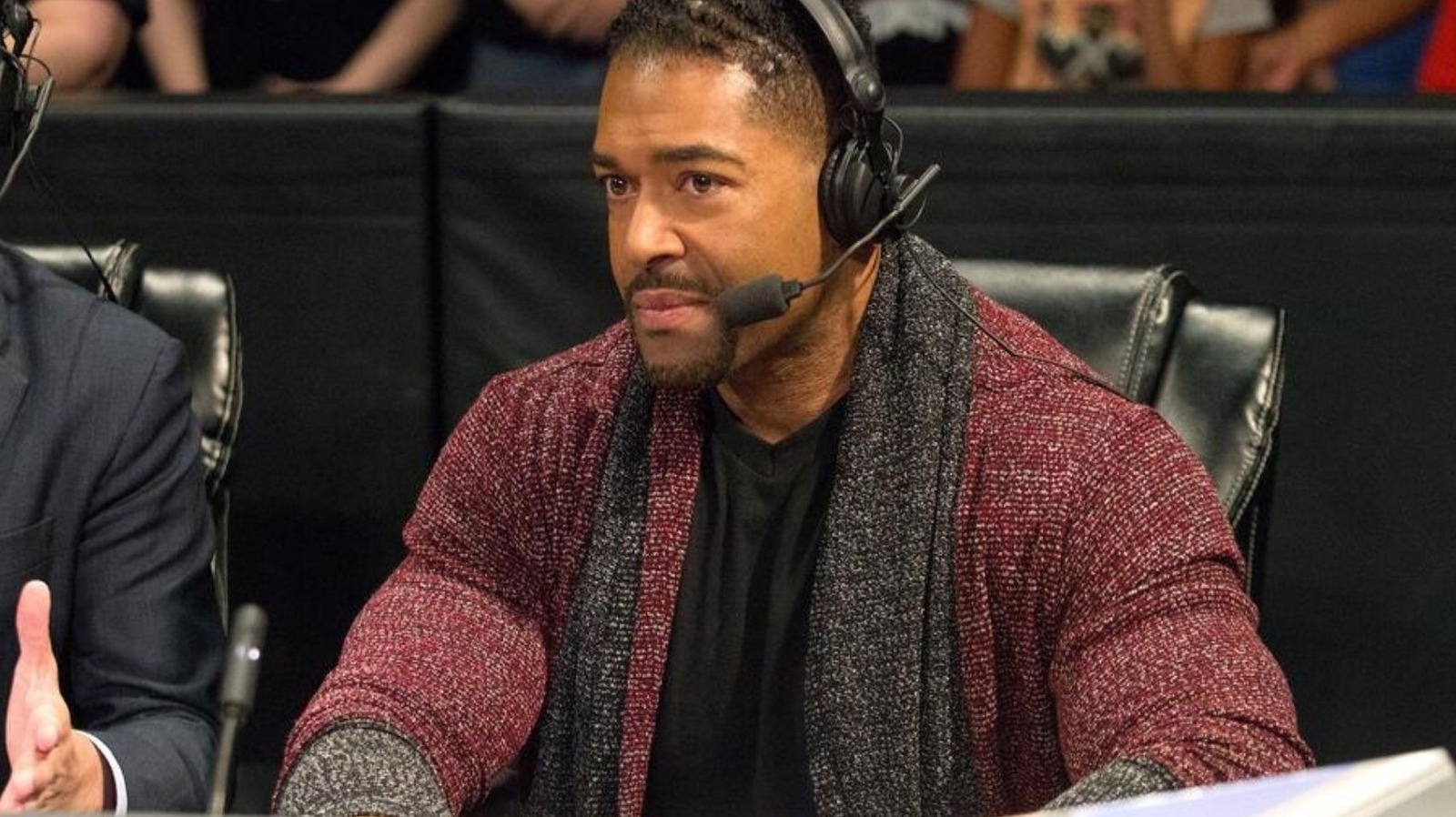
David Otunga recently offered a musing that should leave anyone who respects the physical grind of professional wrestling cold. The former WWE star and Harvard-educated lawyer suggested the possibility of the promotion creating, and selling tickets to, matches contested entirely by artificial intelligence. To hear this discussed as a commercial opportunity in 2026 is to misunderstand everything that keeps fans glued to the product.
Wrestling is a medium built on physical risk and the immediate, tangible connection between performer and audience. When a wrestler hits the ropes, the wood groans, the tension is real, and the sweat soaking their singlet is earned through thousands of hours of technique. An AI simulation might mimic the aesthetic of a match, but it lacks the critical element of consequences.
The business operates on the suspension of disbelief, yet it requires a kernel of physical truth to function. In a regular match, a botched spot or a mistimed sequence creates a narrative shift in real time. The crowd reacts to the danger, and the wrestlers adjust their pacing to maintain the flow of the bout. You cannot program the improvisational chemistry that turns a standard match into a classic.
Missing the anatomy of a match
Otunga’s proposition touches on the legalities of image rights, but it ignores the fundamental architecture of the sport. Professional wrestling relies on selling, pacing, and the subtle art of the comeback. Watch a high-level bout from the last twelve months; the best sequences are dictated by the performer sensing the exhaustion of their opponent and the noise level in the arena.
An algorithm lacks the ability to read a room. It operates in a vacuum where every move is calculated for visual output rather than psychological engagement. A Code Red performed by an AI carries zero stakes. It is merely a collection of pixels rearranged, whereas the same move performed at 14 minutes into a match provides a crescendo that fans can feel in their chests.
Commercializing this is a dangerous path. If the promotion pivots toward digital facsimiles, it devalues the current roster who put their bodies through the ringer every week. Why should a talent refine their craft if the company is looking to replace the live experience with a pre-rendered loop? It is a shortsighted play that prioritizes IP ownership over the art form that built the house.
The danger of digitizing the spectacle
We see the industry currently obsessed with data, as Otunga noted during his recent reflections on the evolution of WWE entertainment. But there is a line between using tech for presentation and replacing the product entirely. When a promotion sells tickets to a simulated event, they are essentially asking the audience to pay for a high-end screensaver rather than an athletic contest.
Such moves also risk alienating a base that values legitimacy. Modern audiences are already cynical enough about the predetermined nature of the business. Replacing humans with software removes the last thread of earnestness left on the card. It turns the product into a sterile, soulless exercise in brand management.
There is also the matter of the technical ceiling. We have seen gaming engines reach impressive levels of graphical fidelity, yet they remain incapable of capturing the nuance of a wrestler’s facial expression during a stiff exchange. That grit, that look of desperate fatigue after a successful sequence, is what separates a match from a motion-capture stunt. Artificial intelligence will never replicate the genuine stakes of a main event.
A reality check for the future
The suggestion that this could represent a new revenue stream ignores the nature of fan loyalty. Wrestling fans are fundamentally buying into the human story. We invest in the rise, the fall, and the inevitable return of performers because they are flesh and blood. To replace that with a machine-generated product is to bet against human empathy.
If the leadership group pursues this, they might find that despite their legal arguments and software capabilities, they have built an arena with no one in the seats. Fans do not pay hundreds of dollars for premium admission to watch code execute. They pay to witness something live, unpredictable, and undeniably human.
The business needs to focus on the grit of the ring, not the possibilities of the server rack. As the industry moves forward, it should look to deepen the relationship between the fans and the performers, not find clever ways to delete the performers from the equation. An AI match is not a revolution; it is an admission that the product has stopped believing in itself.
Funko Pop! WWE "The American Nightmare" Cody Rhodes (Diamond Collection #198)
Adrenaline in the soul, now your Funko Pop is Cody Rhodes.
Frequently Asked Questions
What did David Otunga suggest regarding AI in wrestling?
Why is AI unable to replicate professional wrestling matches?
How does physical risk impact the quality of a wrestling match?
What is the danger of using AI to replace live wrestlers?
Why is customer engagement vital to a wrestling match?
More Coverage
Jeff Jarrett is right about that disastrous Ric Flair final match
2 hours ago
Kevin Nash is the bitter truth-teller of our podcast era
3 hours ago
Nick Aldis Has That James Bond Swagger, But Can He Beat The Clock At SummerSlam?
3 hours ago
CM Punk's AAA tease highlights WWE's quiet 15-month Mexican talent expansion
3 hours ago
The growing internal buzz regarding an AJ Francis move to WWE
3 hours ago
Kevin Nash Is Done Holding Back: Hulk Hogan, Owen Hart, and Unfiltered Reality
3 hours agoMore Analysis
Why WWE's obsession with AI is already backfiring
2 weeks, 6 days agoBianca Belair is 100% right to call out AI creep culture
1 month, 2 weeks ago
WWE's AI Storyline Bombshell: Is the Machine Booking Mania?
2 months, 3 weeks agoAJ Styles' kid is entering the ring and the internet is losing its mind
1 month ago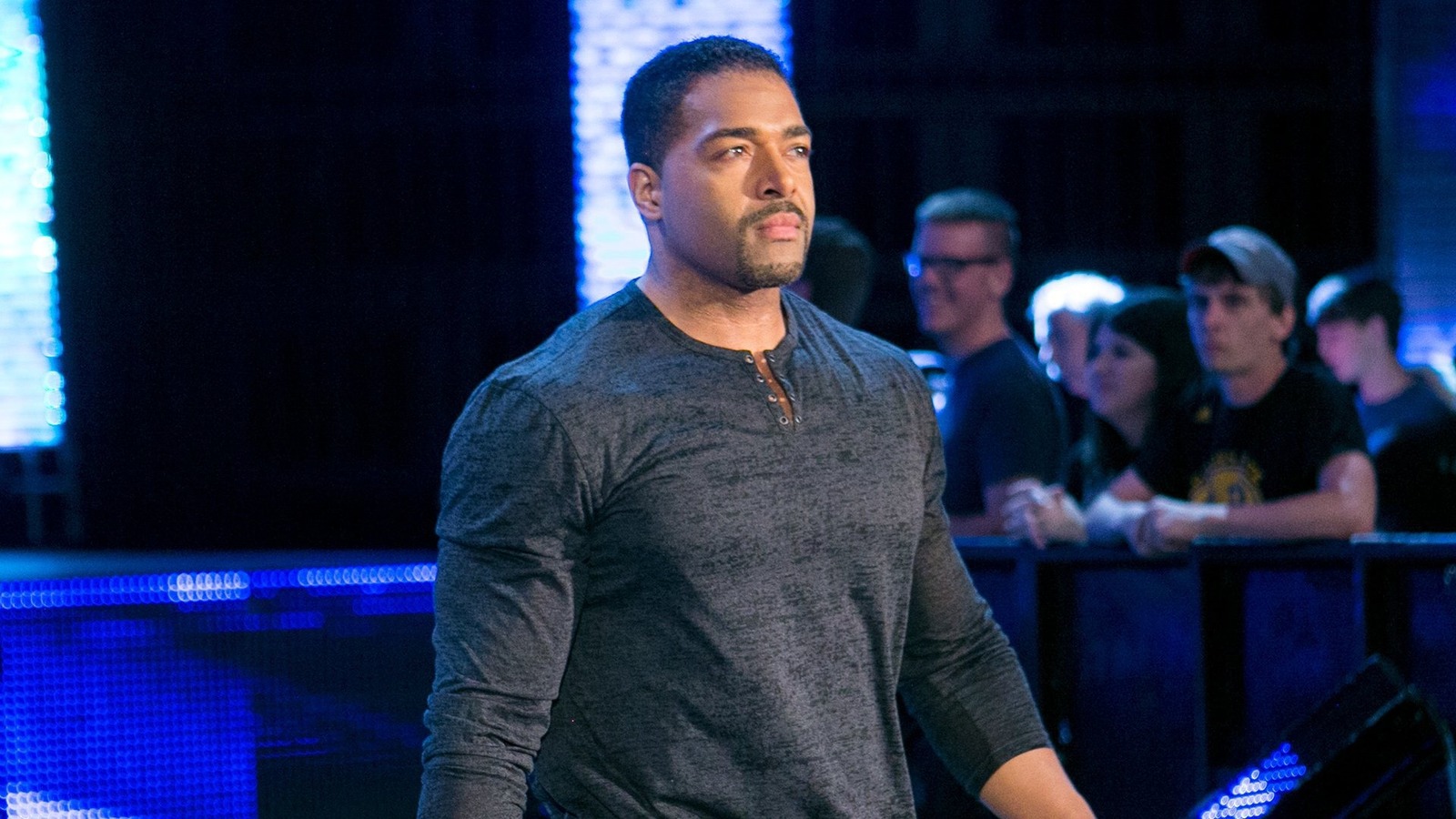
WWE Backlash and the legal trap of showing Raw in bars
2 months, 2 weeks ago