The quiet retirement of the Heritage Cup
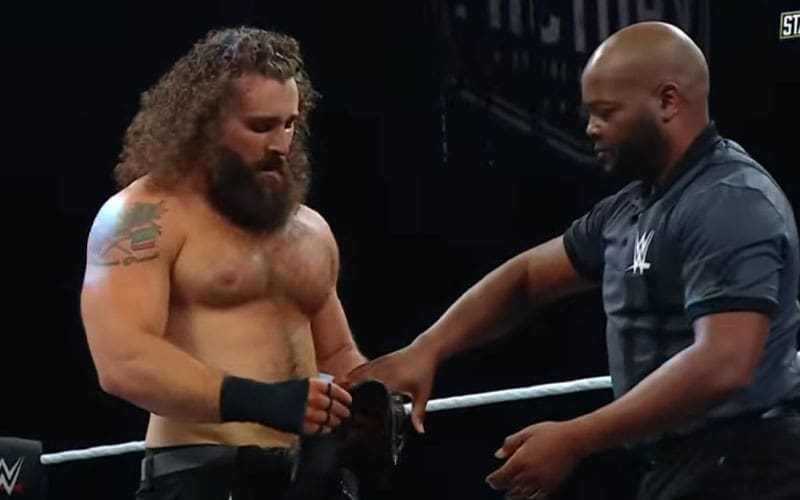
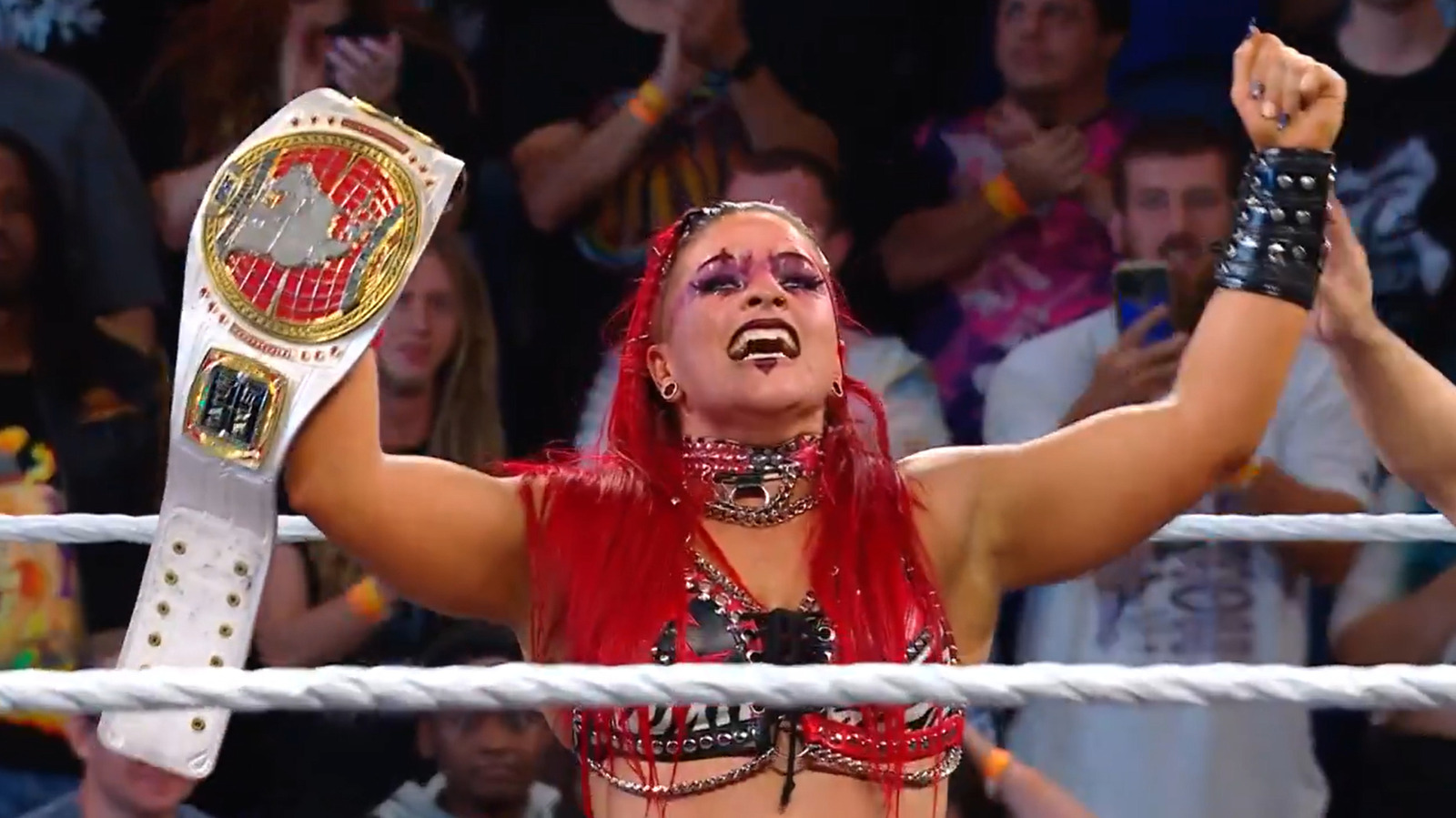
WWE NXT has officially shelved the Heritage Cup, effectively ending a unique experiment in televised professional wrestling. As reported by WrestleTalk earlier this week, the brand is moving away from the round-based trophy format in favor of a new championship structure. Channing “Stacks” Lorenzo sits in the record books as the final holder of the accolade, closing a chapter that relied heavily on British-style catch wrestling rules.
The removal isn't just a simple roster housekeeping task. It marks a significant shift in booking philosophy for the developmental brand. The Heritage Cup required distinct pacing, forced intermissions between rounds, and specific referee involvement that often dragged during high-speed segments. Abandoning this format allows for a more fluid, high-octane pace consistent with the rest of the current NXT broadcast structure.
Strategic implications for the division
Channing Lorenzo held the position of the final champion through a series of matches that emphasized technical prowess over pure spectacle. However, the limitation of the Heritage Cup was its inability to evolve outside of its rigid rule set. Because the rules required round-based scoring, it often stifled the momentum competitors could build during their finishing sequences.
This transition follows a pattern of streamlining titles to ensure better television real estate management. NXT currently maintains a bloated championship inventory; cutting the Cup removes a relic that often struggled to find room on premium live event cards. By consolidating this internal talent pool into the mid-card title hunt, the booking team creates more meaningful contention for belts that actually see regular defense on main roster-adjacent shows.
Historical context and fan reception
The Heritage Cup concept arrived stateside as a carryover from NXT UK, bringing with it the aesthetic of the British independent scene. While technically proficient, the style never quite landed with the domestic audience in the same way standard championship matches do. Wrestling crowds tend to reject rules that force a pause in the action just as a performer gains the upper hand, and the Cup was essentially built on those pauses.
We have seen similar title purges in the past when legacy championships were phased out to tighten the creative focus. Much like when the Cruiserweight title was eventually abandoned in favor of broader division integration, this decision highlights a pivot toward standardization. It is a cynical take, but necessary: the brand is clearly betting that a standardized title carries more weight than a niche trophy requiring an instruction manual for the audience.
What this means for the roster
For performers like Lorenzo, the end of the Cup represents a transition point. These athletes must now prove they can work outside the restrictive technical confines of the trophy matches. We have seen mid-carders succeed in the transition from technical specialist to generalist, but it requires a change in style. If a wrestler relies solely on ground-and-pound or mat work, they risk getting lost in the shuffle of the current high-flyer-heavy product.
Expect the new championships to prioritize agility and narrative-driven heat over the technical minutiae of a round-by-round point system. The zero matches remaining for the Heritage Cup leave a void that will likely be filled by a faster-paced, gimmick-free belt. This is the right move for 2026 viewership habits where engagement drops during slow, methodical sequences. The future of NXT depends on keeping the pace fast, and the Heritage Cup was the last anchor slowing the ship down.