Why current ratings volatility proves wrestling is losing the multi-screen war
The data points to a growing audience fatigue
The wrestling industry currently faces a stark reality: viewers are abandoning linear television for high-stakes competition. Data for the week of June 8 through June 13 illustrates a trend that goes beyond simple seasonal variance. AEW Collision saw a sharp decline in viewership and the 18-49 demographic, a direct consequence of timing collisions with Game 4 of the NBA Finals.
This isn't an outlier. TNA Impact also struggled on June 11, drawing back into the 191K range after briefly finding momentum the week prior. Wrestling television is suffering from a lack of appointment viewing urgency, as consumers prioritize live sporting events that demand real-time attention. When the product is secondary to the schedule, the core demographic vanishes.
The WWE balancing act
WWE is tracking a different set of numbers, though they are not immune to the gravitational pull of the wider sports world. With Raw managing a rebound to just over 2 million viewers on June 8, the promotional machine finally arrested a slide that threatened to dip below that psychological threshold. Yet, SmackDown faced a significant contraction on June 12, mirroring the downward pressure currently affecting the broader industry.
These fluctuations demonstrate that even the market leader is fighting for air space. The reliance on legacy cable slots is becoming a liability during the summer months. Wrestling bookers are failing to provide enough narrative friction to hold audiences when major league playoffs dictate the viewing habits of their core demographic.
Contract stability vs. booking creativity
While the ratings charts paint a grim picture, the corporate side of the industry remains focused on locking down assets. The news that Jack Perry’s AEW contract is nearing its expiration date, with an expected re-signing, highlights how promotions are prioritizing talent retention over structural growth. Locking in a talent like Perry ensures continuity, but it does nothing to solve the problem of sliding viewership figures.
Booking reliability often feels secondary to talent acquisition. For instance, the departure of key creative voices often leaves a void that isn't easily backfilled, as seen in the recent power shift at TNA. Without a strong creative hand at the wheel, these companies are effectively drifting while their competition captures the sports-obsessed audience.
The critical failure of mid-card utility
The most alarming trend isn't just the overall rating; it is the drop in engagement within segments that should be stabilizing the ship. When shows rely on the same formulaic interactions, the audience disengages faster when outside competition arises. A reliance on roster stability—like the Perry re-signing—without a corresponding evolution in match pacing or storytelling keeps these promotions in a holding pattern.
We are seeing too many matches where the outcome feels like a formality rather than a compelling chapter in a story. If the viewing experience consists of 15-minute segments designed to facilitate heat rather than resolve tension, the casual viewer will simply flip to a live sport with higher stakes. The industry needs to pivot toward tighter, more aggressive programming if they intend to survive the current climate where everything competes for the same limited window of eyeball time.
The industry shows a clear vulnerability to any outside sporting event that offers a narrative more compelling or immediate than a standard weekly wrestling card.
The numbers from the last seven days are a warning, not a blip. Whether it is the WWE Raw bounce-back or the continued struggles of Collision and Impact, the lack of growth is distinct. Unless promotions stop chasing the comfort zone of legacy booking, they will continue to bleed audience every time a major sporting event appears on the calendar.
WWE Jey Uso 'Yeet' Official T-Shirt
Join the main event movement with Jey Uso's best-selling official merch.
Frequently Asked Questions
Why are wrestling ratings declining during the summer?
How did the NBA Finals impact AEW Collision viewership?
What is the status of WWE viewership trends?
Why is talent retention failing to boost wrestling ratings?
What are the main causes of audience disengagement?
More Coverage
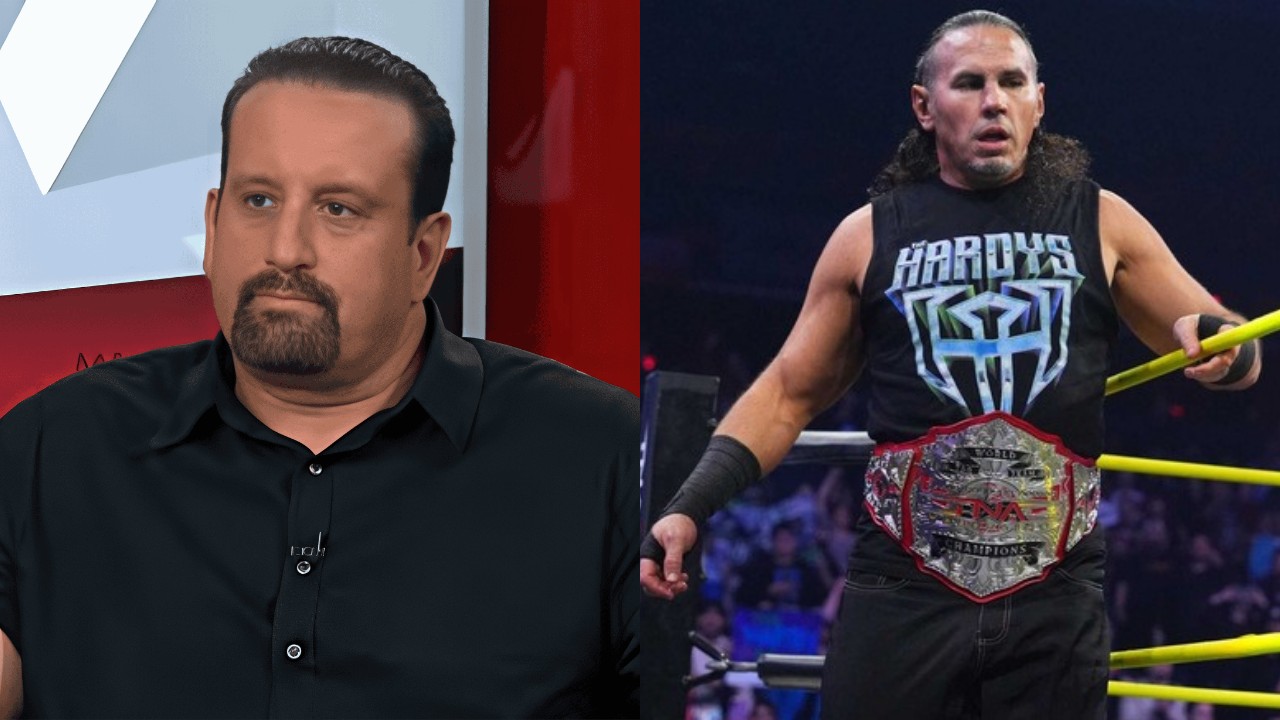
TNA faces internal shakeup after Tommy Dreamer's sudden exit
an hour ago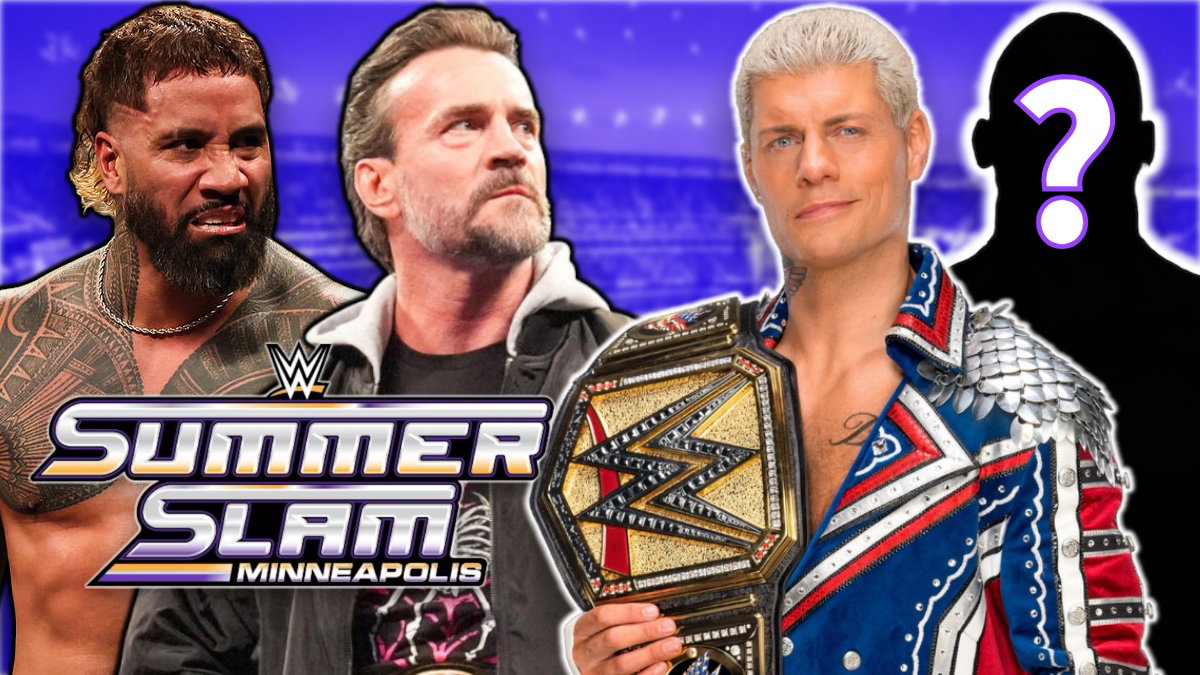
Cody Rhodes managing pectoral tear ahead of SummerSlam 2026
an hour ago
D'Lo Brown's critique reveals a rift in modern wrestling production
2 hours ago
Top 10: Wrestling’s Most Impactful Kings
2 hours ago
George Barrios is back at the WWE dinner table and nobody is happy
2 hours ago
Paul Wight is hitting the gym harder than your uncle at an all-you-can-eat buffet
2 hours agoMore Analysis
TNA faces internal shakeup after Tommy Dreamer's sudden exit
an hour ago
Cody Rhodes managing pectoral tear ahead of SummerSlam 2026
an hour ago
Tessa Blanchard exits TNA again and the internet is losing its mind
2 hours ago
D'Lo Brown's critique reveals a rift in modern wrestling production
2 hours ago
Top 10: Wrestling’s Most Impactful Kings
2 hours ago