The Path Not Taken
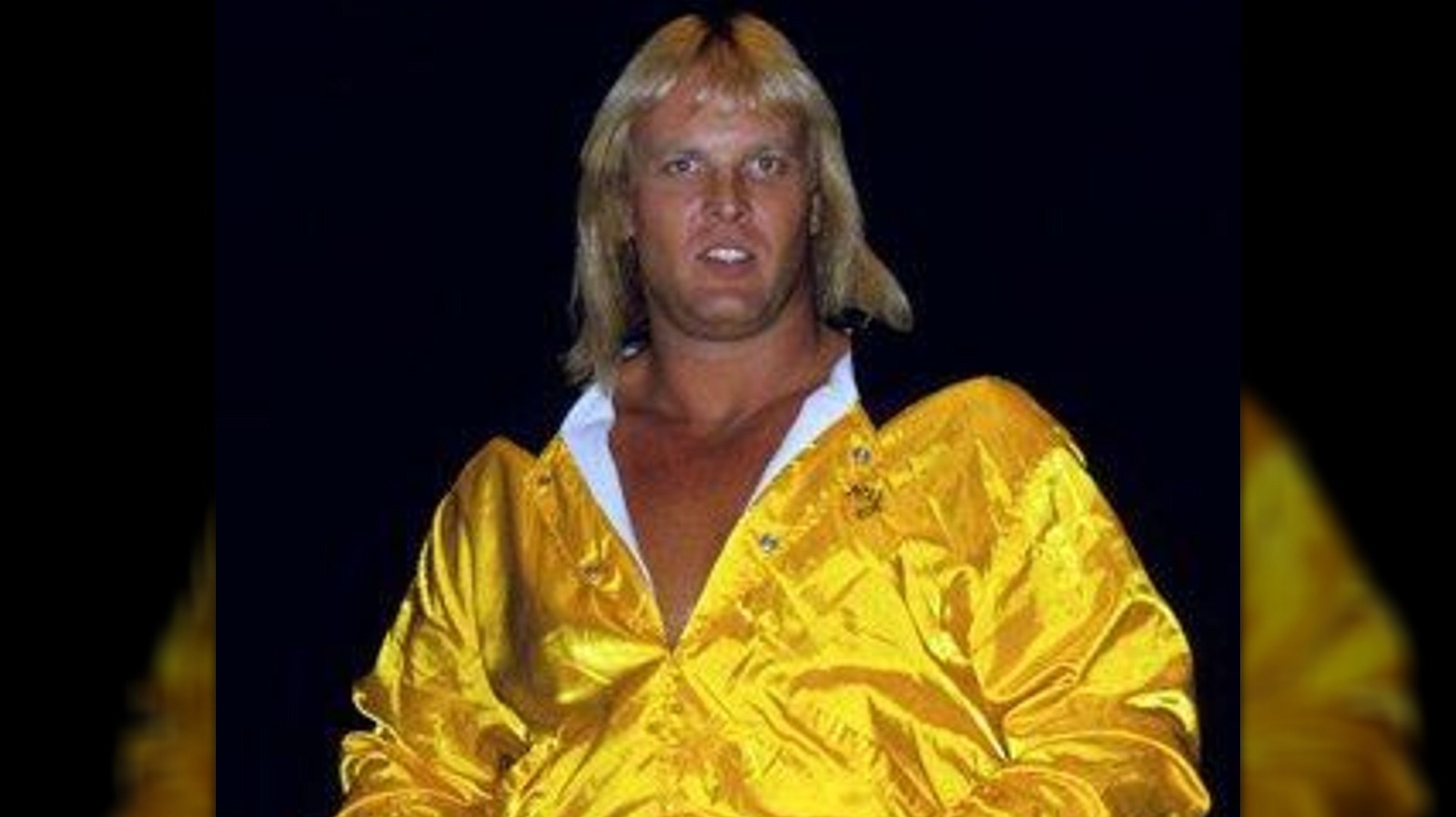
Dan Spivey recent reflections on his WWE tenure have sparked renewed conversation regarding the physical toll and timing of professional wrestling transitions. Spivey admitted that performing as a large, blonde performer during the 1980s and 1990s placed him in a specific, overcrowded category that WWE management struggled to innovate.
His commentary highlights a persistent issue for modern acquisitions: the struggle to differentiate oneself when a roster becomes monolithic. Spivey noted that his size, while beneficial initially, became a limiting factor as booking preferences shifted toward more agile, nuanced styles. This serves as a primary reference point for any promotion currently prioritizing raw mass over technical variety.
Source Validity and Historical Context
Spivey’s analysis, as noted by Wrestling Inc, underscores the danger of being pigeonholed by physical appearance. While he achieved success in various territories, his WWE exit remains a focal point for those studying how organizations fail to utilize assets effectively.
Current speculation suggests that promotions evaluating big-man signings must look beyond the prototype. If a talent cannot evolve their persona beyond their initial visual identity, the shelf life is inevitably short. History has shown that size alone creates only a 3-year runway in a high-stakes environment before audiences demand a change in character or delivery.
Creative Direction and Talent Acquisition
Modern booking departments often fall into the same trap that Spivey experienced. They secure talent based on a look, then fail to provide the narrative tools necessary to justify the investment. A wrestler needs more than a towering frame to stay relevant in a landscape where average match times regularly exceed 15 minutes.
Critics point to the lack of long-term planning for traditional powerhouses. If a wrestler relies solely on power-based offense, they quickly become an anchor in the mid-card. Spivey’s retrospective serves as a reminder that management's inability to see beyond the appearance is often the catalyst for a talent's decline.
We must look at how promotions handle their current heavyweights. The divide between those who pivot to character-driven stories and those who remain static is widening. If a company signs a new powerhouse, they need to ensure the booking team has already mapped out a secondary evolution for when the initial novelty wears off.
The Probability and Future Impact
The probability of a resurgence for this archetype is low, as the current market values versatility. Promotions like AEW and WWE have clearly pushed toward athletes who can work multiple styles. Relying on an outdated model is a risky maneuver for any front office.
Expected impact remains minimal unless the promotion provides significant creative freedom. Without a drastic change in how large men are presented, the industry will continue to repeat the mistakes documented by performers of Spivey’s era. Expect teams to pass on static giants in favor of hybrid talents who offer utility beyond the opening bell.
Ultimately, the lesson of Spivey’s career is one of timing. For a talent to succeed, their physical profile must align with the specific creative needs of the era. Failing that, even the most impressive physical specimen risks becoming a footnote in a promotion's history.
The industry continues to evolve, yet the underlying truth remains consistent. Management needs to be proactive rather than reactionary. If they wait until a talent's momentum stalls, the opportunity to build a sustainable main-event star is often lost permanently.
This analysis holds true whether an organization is looking at mid-card additions or main-event acquisitions. Talent is only as good as the vision behind the push. Without a clear plan, even the most gifted individual will face the same fatigue Spivey encountered decades ago.
Finally, we must scrutinize the scouting process. Are teams looking for the next game-changer, or are they falling for the same visual traps that stalled careers in the past? As of June 13, 2026, the demand for agility suggests the latter is still a major issue.