
Why Gangrel is right about the lost art of wrestling psychology
The economics of the impactful finish
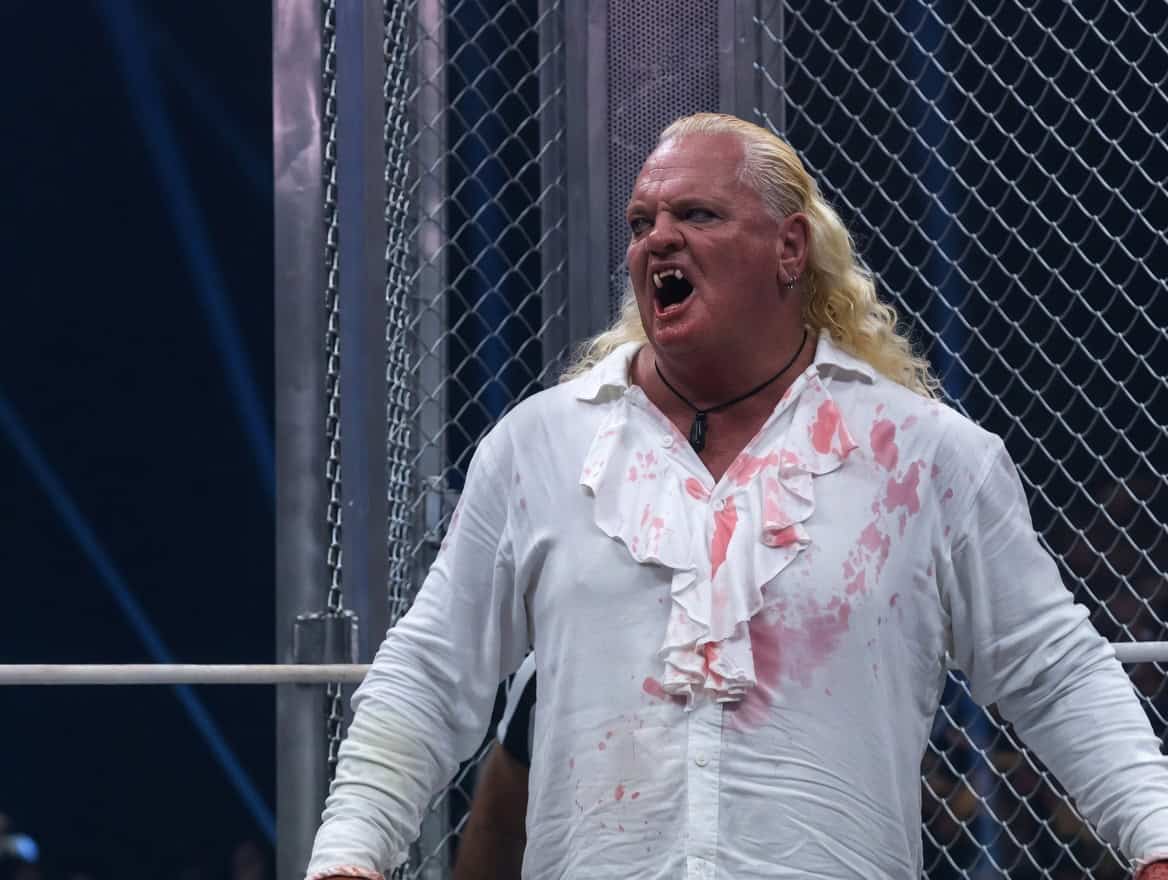
In an era where the average main event features more superkicks than a 1990s karate dojo, the philosophy expressed by Gangrel regarding the intersection of psychology and finance feels like a necessary corrective. He argues that meaningful moves generate memories, and those memories effectively drive the commercial engine of the industry. It is a simple, brutal assessment that modern bookers often ignore in favor of high-velocity spot-fests.
We have moved into a period of wrestling where high-risk maneuvers have become the baseline expectation rather than the exceptional climax. When every match includes a cascade of aerial maneuvers, the audience's internal meter for what constitutes a "big move" becomes completely desensitized. The result is a diminished return on interest, where 30-minute marathons end with pops that feel disproportionately smaller than the effort put in by the performers.
The danger of diminishing returns
Look at how internal logic has been sacrificed for aesthetic flair. If a performer sustains three powerbombs through tables and a series of unprotected chair shots, the standard expectation is that they will somehow kick out at the count of two. This pattern erodes the credibility of the maneuvers themselves. According to the recent insights from his interview on WrestlingNews.co, the focus should instead be on the narrative weight of a specific, defined finishing maneuver.
Meaningful moves make memories. Memories make money.
The failure to protect finishing maneuvers is a booking oversight that directly impacts the bottom line he describes. When a finisher is hit—the specific point of triumph—it should signify the end of doubt. When that tension is sustained, the fan investment remains high. When it is squandered through repeated kick-outs, the emotional bond to the match begins to fray. The transition from a believable contest to a coordinated display of athletics is thin, and the current product frequently crosses that line.
Refining the wrestling spectacle
There is a specific tactical error appearing across recent cards: the absence of selling after high-impact spots. A performer will take a devastating sequence—perhaps a top-rope lungblower followed by a stiff dropkick—and transition immediately into their own offensive flurry before the 15-minute mark even hits. This lack of narrative breathing room makes the preceding trauma feel inconsequential.
We have seen matches where the total move count exceeds fifty, yet the xG of the finishing sequence remains low because the audience has been conditioned not to believe the match is actually concluding. The most successful bouts of the last year are those that utilize "meaningful moves" as lynchpins. They are the moments that stick in your mind during the ride home after the cameras cut to black. Without that emotional stamp, the industry risks becoming a series of disconnected sequences rather than a cohesive story.
The push for constant escalation in modern wrestling is a trap. It forces performers to put their physical longevity at risk for diminishing results, while simultaneously training the audience to wait for the next big spot rather than caring about the outcome of the current one. If the industry wants to maintain the financial stability Gangrel identifies, it needs to stop treating wrestling like a demolition derby and start treating it like a series of high-stakes conflicts. Precision must return to the booking sheet, and finishers must once again be treated as the ultimate conclusion rather than a secondary transition move.
WWE Men's John Cena Farewell Tour T-Shirt
Celebrate the legendary career of the GOAT during his final historic run.
More Coverage
JBL's recent comments hint at a potential surprise return to the screen
3 hours ago
CM Punk robbing Sami Zayn is the messy booking wrestling deserves
3 hours ago
Chris Masters and the hidden toll of the 2000s wrestling physique
3 hours agoData suggests Trick Williams needs a narrative pivot
4 hours ago
Logan Paul's 2026 engagement numbers show the diminishing returns of celebrity crossovers
4 hours ago
Trick Williams injury update: The road back from a nagging injury
4 hours agoMore Analysis
The gambling site takeover of wrestling news sites is a joke
3 hours ago
JBL's recent comments hint at a potential surprise return to the screen
3 hours ago
CM Punk robbing Sami Zayn is the messy booking wrestling deserves
3 hours ago