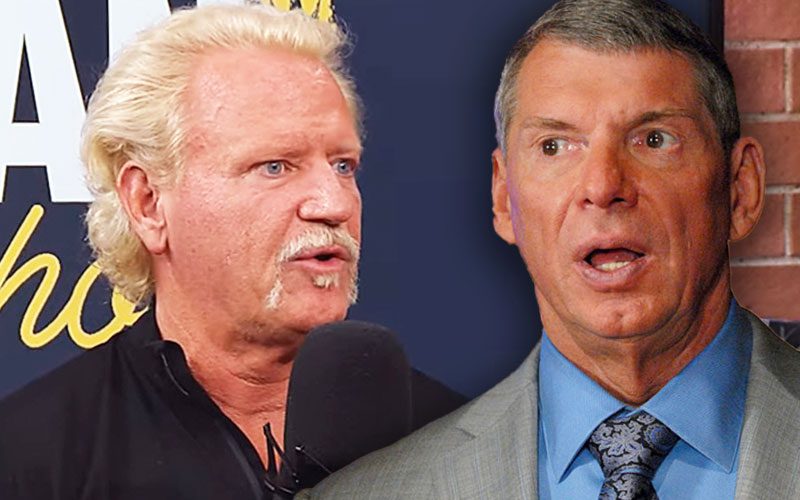
Why Jeff Jarrett is absolutely right about the return of house shows
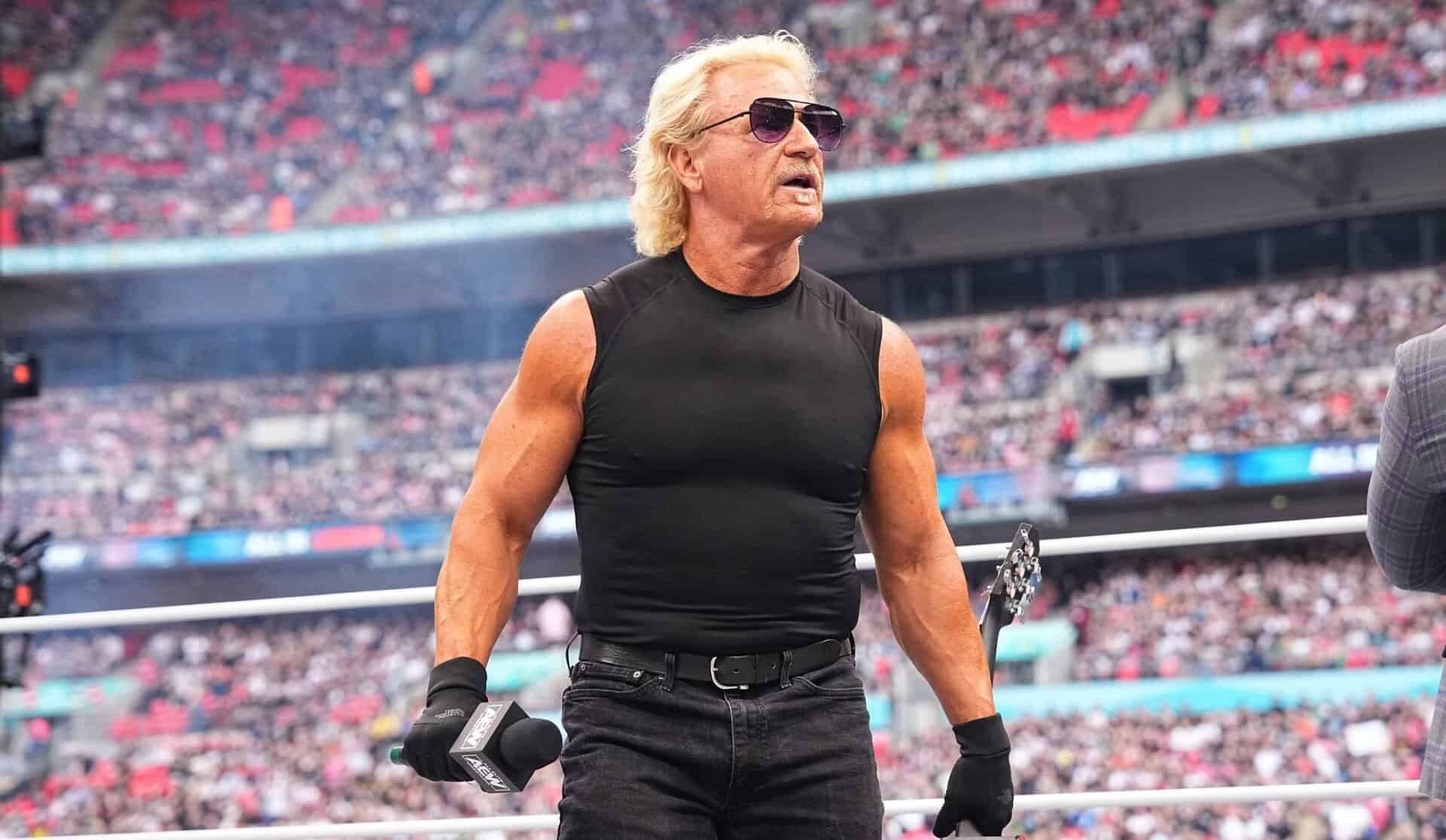
The lost art of working the dark
Jeff Jarrett has seen more iterations of the wrestling business than almost anyone alive. From the twilight of the Memphis territory to the Monday Night Wars. He survived TNA’s bizarre peak and is currently cashing checks in AEW. So when Double J says wrestling "desperately needs" the return of house shows, you should probably listen.
He made the comments recently, pointing out a fundamental flaw in the modern product. Televised wrestling is a terrible place to learn how to wrestle.
You cannot figure out a character during a three-minute picture-in-picture commercial break on Dynamite. You cannot learn how to naturally build heat when a producer is screaming in the referee's earpiece to hit the next time cue. TV wrestling is about hitting marks. House shows are about working the crowd.
Jarrett specifically praised WWE for bringing back or maintaining their untelevised live event loops. This comes at a time when the bean counters at TKO Group Holdings have every reason to kill them entirely.
Endeavor loves guaranteed revenue. They love massive television rights fees and site fees from foreign governments. Running a Sunday night show in Kalamazoo, Michigan does not fit that financial model. For years, WWE's live events division was actually losing money on paper.
But looking at house shows as a standalone profit center is missing the point. They are the research and development wing of the wrestling business.
The cost of a TV-only roster
Look at AEW right now. We are exactly four days away from Double or Nothing in Las Vegas. The roster is loaded with generational athletes who can hit a 450 splash in their sleep. But many of them look completely lost when a match goes sideways.
When you only wrestle once a week, or sometimes once a month, you lack reps. You become a spot wrestler. You memorize a sequence backstage, go out, and execute it. If the crowd doesn't react the way you expected, you panic.
In the old days, if a spot didn't work on Friday in Poughkeepsie, you tweaked it on Saturday in Binghamton. By the time you hit television on Monday, the sequence was flawless. The crowd reaction was guaranteed because you had already tested it on paying customers.
Today, talent are testing their material on live national television. It is a recipe for disaster. We see botched spots, awkward pauses, and dead crowds every week. It is not because the wrestlers are untalented. It is because they are under-rehearsed in front of actual human beings.
This is why Jarrett is sounding the alarm. He grew up in a territory system where you wrestled six days a week. You learned how to read a room. You learned that what works in front of 500 people in rural Tennessee might not work in front of 15,000 people in Chicago.
Spectacle vs. Substance
The necessity of the house show becomes even more apparent when you look at where the top of the card is heading. During his recent media appearances, Jarrett also floated a wild hypothetical: the idea of Vince McMahon eventually working with Jake Paul.
On the surface, it sounds like absolute lunacy. McMahon is exiled from WWE, disgraced and facing federal scrutiny. Jake Paul is a YouTube provocateur playing at being a prizefighter.
But Jarrett understands the carny soul of the business. McMahon is a promoter. Paul is a draw. If they ever collided, it would be pure, unfiltered spectacle.
We are already living in the era of the celebrity wrestler. Logan Paul is undeniably great in the ring, but his entire WWE run is built on heavily choreographed, meticulously rehearsed stunt shows. He does not work the weekend loops. He flies in, hits a springboard clothesline, and flies out.
If the main events of the future are going to feature influencers and part-timers, the undercard needs to be rock-solid. You need mechanics. You need guys who can carry a 15-minute match with a broomstick if necessary.
You do not build mechanics in a sterile training facility. The WWE Performance Center is a marvel of modern sports science. You can learn how to bump perfectly. You can learn how to find the hard camera. But you cannot learn ring psychology in an empty warehouse in Orlando.
NXT runs the Florida loop, which helps. But wrestling the same 200 diehards in Cocoa Beach is not the same as walking into a hostile arena in Philadelphia and figuring out how to make them hate you.
The independent scene is not a substitute
There is a common counter-argument to Jarrett's plea. Critics will point out that wrestlers can get their reps working for GCW, DEFY, or PWG. They argue that the indie circuit has effectively replaced the territory system.
This is a dangerous misconception. The modern independent scene is a completely different beast than the territory loops of the 1980s.
When a wrestler works an indie show today, they are usually booked for a single night. The promoter is paying them a premium to deliver a highlight-reel match. The fans in attendance expect a fast-paced, spot-heavy war. If a young talent goes out in front of an indie crowd and tries to work a slow, methodical 15-minute match built around a single limb target, the crowd will actively turn on them.
Indie shows demand instant gratification. They reward danger over psychology. A wrestler might learn how to hit a poison rana on the apron, but they aren't learning how to command an audience with a microphone or a subtle facial expression.
Furthermore, indie shows lack the veteran leadership that made the house show loops so valuable. In the WWE system, a green rookie is often paired with a seasoned veteran like The Miz or Rey Mysterio on the weekend tour.
The veteran calls the match in the ring. They tell the rookie when to slow down, when to breathe, and when to fire up. The rookie learns by osmosis. On the indies, two 22-year-olds working fewer than 150 dates a year are often left to their own devices, attempting incredibly dangerous sequences without any adult supervision in the room.
The physical toll of the television era
Jarrett's demand for the return of house shows also touches on a massive contradiction in modern wrestling. Intuitively, you would think that wrestling less often would lead to fewer injuries. The data suggests the exact opposite.
During the peak of the Monday Night Wars, wrestlers were working 250 dates a year. They were exhausted, battered, and running on fumes. But catastrophic in-ring injuries were surprisingly rare compared to the current era.
Why? Because working every night forces you to protect your body. When you know you have to drive to Scranton tomorrow and wrestle again, you do not take a foolish bump on your neck for a cheap pop. You learn how to work smart.
You learn the classic WWE style—a safer, more deliberate pace that relies on character work rather than constant high-impact collisions.
Today, a wrestler might sit at home for three weeks, fly to television, and immediately attempt a high-speed top-rope maneuver while cold. Their bodies are not calloused to the ring. The muscle memory of bumping safely fades when it is not practiced constantly.
The ghosts of developmental past
This brings us to another name from the past that popped up in the news this week. Rico Constantino is reportedly hopeful for a wrestling return following medical treatment.
Rico is the perfect example of why the old system worked. He did not walk onto SmackDown as a finished product. He spent years in Ohio Valley Wrestling. He worked dark matches. He worked endless house shows alongside Chuck Palumbo.
The Rico character was flamboyant, ridiculous, and incredibly difficult to pull off without alienating the audience. It required perfect comedic timing and total commitment. He found that timing by working the character in front of small crowds, night after night, until he knew exactly which facial expression would pop the room.
Imagine trying to debut the Rico character today. Without those untelevised reps, it would likely bomb in three weeks. The crowd would reject it, the writers would panic, and he would be sitting in catering for six months.
This is the hidden cost of the modern era. How many great characters have we lost because they were forced to debut on live TV before they were ready? How many potential main eventers are stuck in the midcard because they never had the chance to experiment in the dark?
The financial reality of the road
Of course, returning to a full-time house show schedule is not simple. The economics of touring have changed drastically since the 1990s.
Arena rentals are astronomical. Fuel prices cut deep into the margins. Union stagehands and local crew costs have skyrocketed. When WWE or AEW looks at a spreadsheet, running a non-televised event in a secondary market rarely makes financial sense.
During the Vince McMahon era, WWE kept doing it out of stubborn tradition. When Nick Khan took over the business operations, he brutally slashed the live event schedule. They stopped running B-towns that did not draw.
But recently, there has been a slight shift back. WWE realizes that absent the house show loop, their talent pipeline dries up. Cody Rhodes actively pushes to work the untelevised shows. He understands that being the face of the company means shaking hands in Saginaw, not just posing at WrestleMania.
AEW tried their own version with the House Rules tour. They ran a few dates in smaller venues. The shows were reportedly fun, laid-back, and gave younger talent a chance to work longer matches.
Then, they just stopped. The initiative faded away, likely due to the high costs of moving an AEW production crew across the country. But the failure to establish a consistent live event loop is stunting their roster's growth.
Why Jarrett's warning matters
Jarrett is not just an old-timer yelling at a cloud. He is identifying a structural weakness in the professional wrestling industry.
If you rely solely on television to build your stars, you are building a house on sand. You end up with a roster of athletes who know how to perform moves, but do not know how to wrestle a match.
Look at the injuries plaguing the industry right now. Part of that is the modern style, which demands constant high-impact collisions. But another part is the lack of ring rust removal. When you only bump once every two weeks, your body does not harden to the impact.
House shows teach you how to work a rest hold. They teach you how to milk a count-out tease. They teach you how to get ten minutes of reaction out of a single punch. These are the details that turn a good match into a great one.
As we look toward Double or Nothing, pay attention to the pacing. You will see matches that go 100 miles per hour from the opening bell. It is exciting, but it is exhausting. And often, it covers up a lack of fundamental psychology.
Jarrett knows what he is talking about. He drew money in Memphis by throwing a punch and strutting. He didn't need to jump off a 15-foot cage because he knew how to make the crowd care about the basics.
Wrestling desperately needs the house show. It needs the dirt, the grime, and the low-stakes environment of a Sunday afternoon in a high school gym. It needs a place where wrestlers can fail without the entire world watching on social media.
Because if they don't learn how to fail in the dark, they are going to fail in the spotlight.
RDX Weight Lifting Belt for Gym Workout
Train like a champion with heavy-duty lumbar support.
Frequently Asked Questions
Why does Jeff Jarrett believe wrestling needs house shows?
How do house shows help modern professional wrestlers improve?
Why did Jeff Jarrett praise WWE's approach to live events?
What is the main problem with a TV-only wrestling roster?
What is the difference between performing on TV and at a house show?
More Coverage
Page and Rusev bring the chaos to Monday Night Raw
34 minutes agoDanhausen needs more than a curse to survive Raw
34 minutes ago
When influencers overstep: The Penta mask incident and WWE’s standards
2 hours ago
Why the N3on incident proves WWE needs tighter security at events
2 hours ago
Injury report update: Assessing the status of top WWE talent
2 hours ago
Jacob Fatu vs LA Knight is the chaotic energy Raw needed
2 hours agoMore Analysis
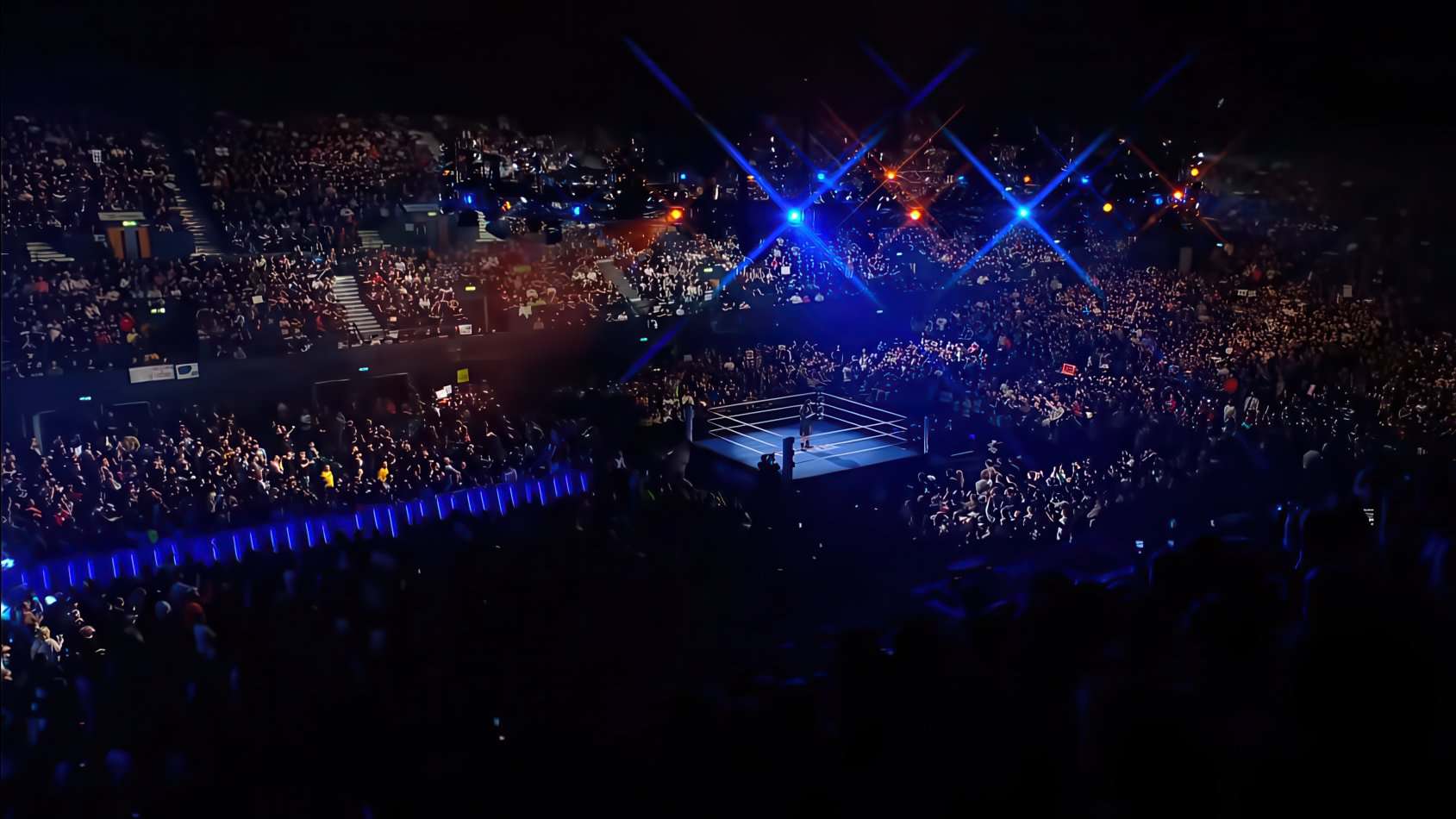
Why WWE desperately needs to bring back the house show loop
1 month, 4 weeks ago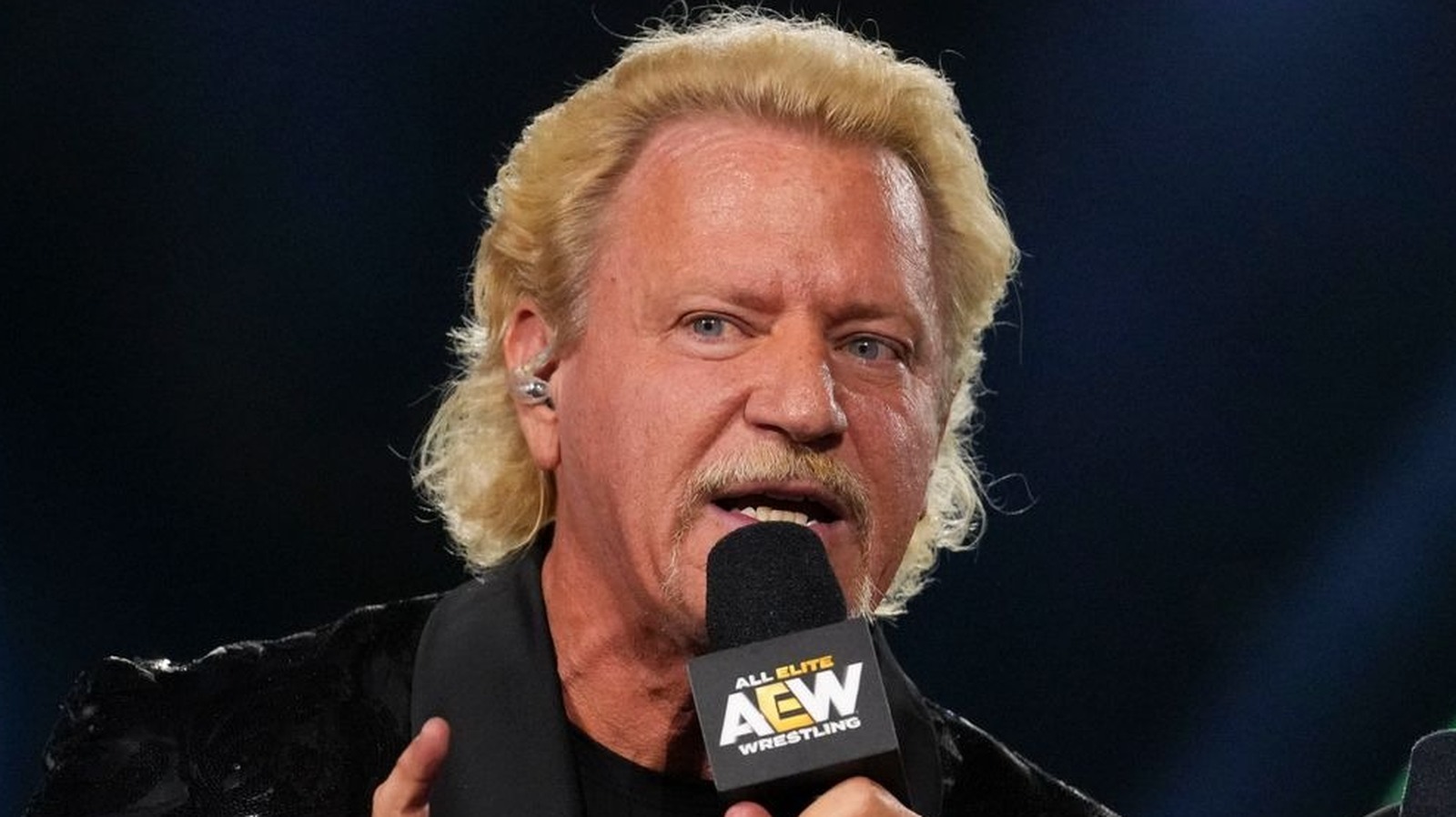
WWE betting the house on more shows is a massive gamble
1 month, 3 weeks ago
Why the return of the WWE house show circuit is a massive net positive
2 months ago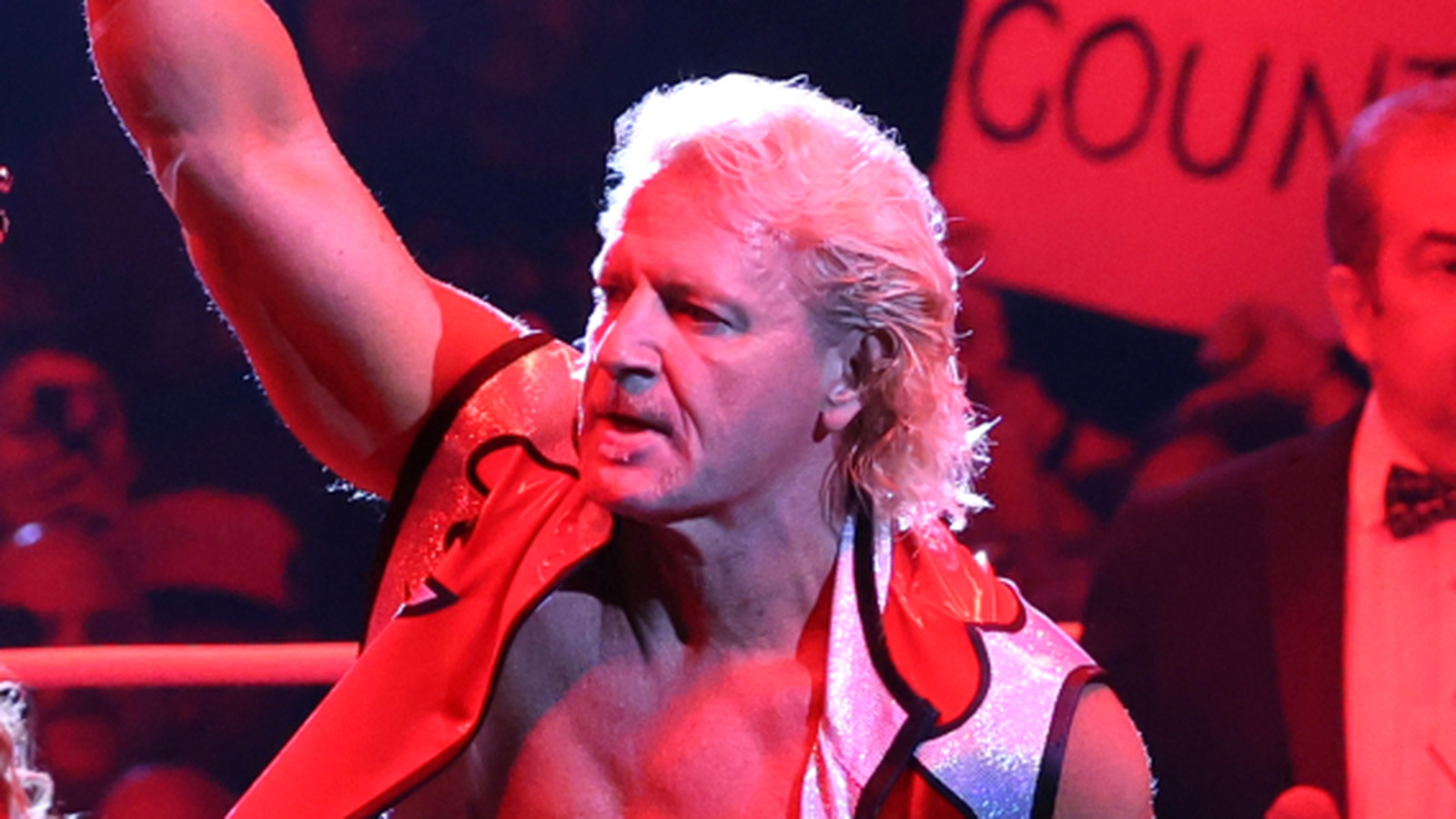
Jeff Jarrett is currently the most controversial mouthpiece in wrestling
2 months agoJeff Jarrett is the ultimate survivor of the wrestling business
3 months, 1 week ago