The San Jose Fallout
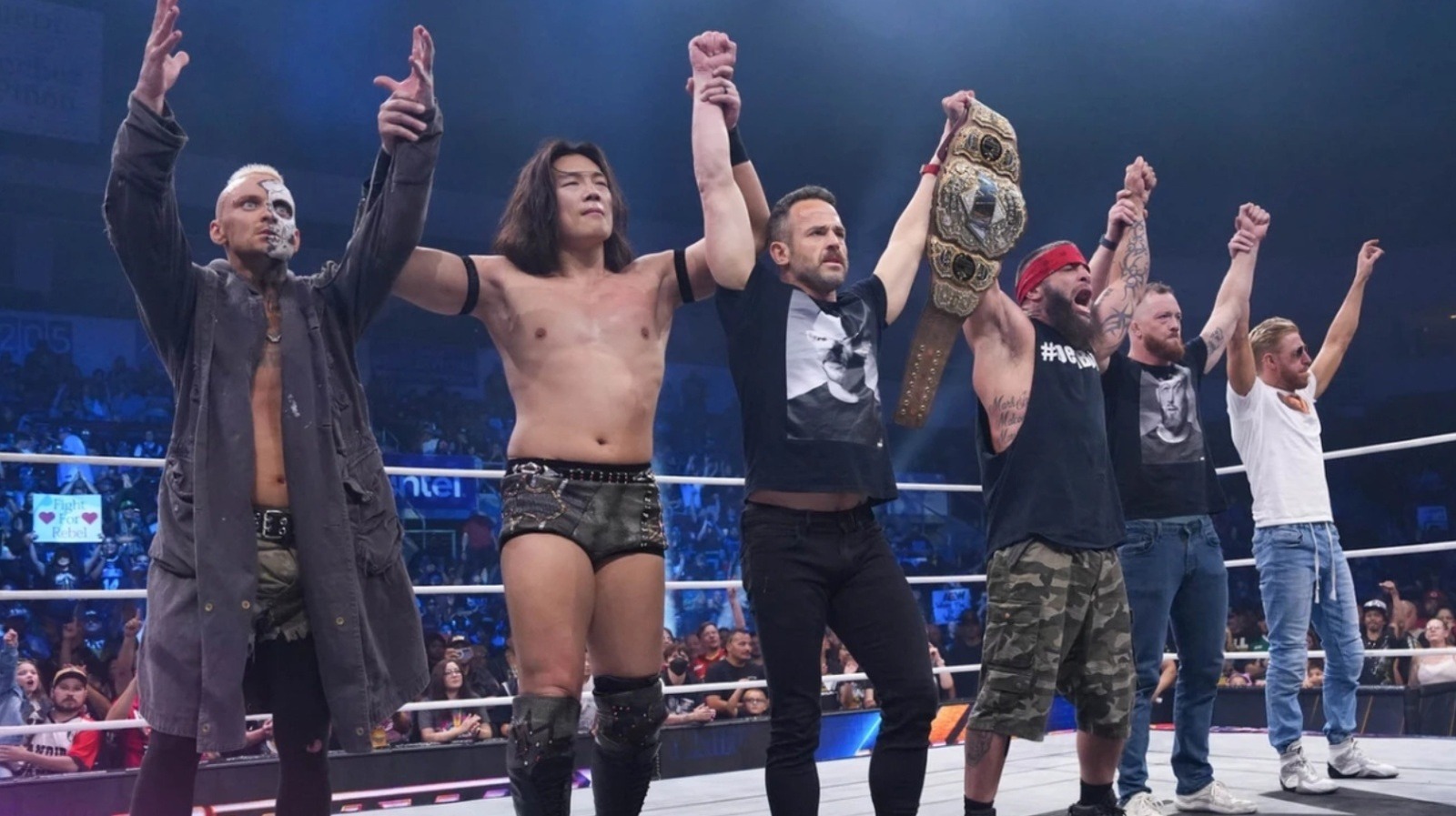
The hangover from Sunday night in San Jose is still clearing. At AEW x NJPW Forbidden Door, the six-on-six steel cage match was supposed to be a showcase of faction warfare, a chaotic collision of bodies designed to protect individual stars. Instead, it became the launchpad for Mark Briscoe's greatest career opportunity.
By pinning the AEW World Champion at the 24-minute mark, Briscoe did not just secure a win for his team. He forced Tony Khan's hand, creating a title match that felt entirely earned yet shockingly sudden.
The championship match is set for Wednesday night in San Diego. It is a rapid turnaround. Briscoe has exactly three days to heal his bruised ribs, tape his left shoulder, and prepare for the match of his life.
MJF is furious, his faction is splintering, and the richest prize in the promotion is in serious jeopardy. This is not the standard slow-burn pay-per-view build; it is a tactical sprint where physical recovery is the primary variable.
Wrestling fans know that short turnarounds favor the defensive specialist. Briscoe enters the ring battered and exhausted from the cage bump.
MJF, despite taking the pinfall, spent most of the cage match avoiding direct conflict. He entered the fray only when his Team DCMJF allies had cleared the path. The physical disparity between a rested, calculating champion and a broken, emotional challenger is the central narrative of this match.
Tactical Breakdown: Deceleration vs. Redneck Kung Fu
Let's look at the numbers. MJF is a master of deceleration. In the middle third of his matches, he averages a sparse 2.1 offensive maneuvers per minute.
He positions himself in the exact center of the ring, forcing opponents to run the perimeter. He waits for them to make a mistake. He relies on positioning, referee distractions, and physical conservation to drag his opponents into a slow, grinding war of attrition.
Mark Briscoe is the exact opposite. He operates at a chaotic 4.5 actions per minute when his offense peaks. His Redneck Kung Fu is built on unpredictable angles, sudden changes in momentum, and high-risk maneuvers.
He uses his own body as a projectile. He often launches himself from the apron or the turnbuckle without regard for his landing zone. If MJF cannot slow the pace in the first five minutes, he will be overwhelmed by sheer volume.
The key conflict lies in the corners. Briscoe needs the turnbuckles to execute his springboard dropkicks and the signature Froggy Bow. MJF knows this.
Expect the champion to cut off the ring, trap Briscoe in the ropes, and grind the speed out of the challenger. If MJF controls the center of the ring, Briscoe's offensive efficiency drops by more than half. This will force him into a close-quarters brawl where MJF's technical shortcuts will reign supreme.
Watch for the collar-and-elbow tie-up. MJF will use it to push Briscoe into the corner, break clean, and then deliver a cheap shot to the midsection. This is a classic pattern we saw in MJF's matches against Bryan Danielson and Adam Cole.
He uses the referee's blind spot to disrupt the challenger's rhythm. This prevents any sustained offensive sequence from developing.
The Left Shoulder Vector and the Legend's Shadow
The Left Shoulder Vector
We must address the physical reality of the challenger. At Forbidden Door, Briscoe took a massive bump from the top of the cage, landing hard on his left side. His left shoulder was heavily taped for the remainder of the match, limiting his range of motion during the final sequences.
MJF, a surgical ring general, will exploit this physical vulnerability immediately. He will target the shoulder from the opening bell.
MJF's primary submission victory vector is the Salt of the Earth armbar. He spends matches softening the joint with hammerlocks, rope-assisted armbreakers, and ring-post slams.
If Briscoe cannot protect his left arm, the match will be short. Briscoe must rely on his right-arm lariats and his boots to keep the champion at bay. A single mistake in a transition sequence will lead to a submission victory for the champion.
Specifically, look at the counter sequences. When Briscoe attempts his springboard elbow, MJF will likely move, catch the arm, and execute a codebreaker to the shoulder. This was the exact counter MJF used to defeat Orange Cassidy in 2024.
The mechanics are simple, high-impact, and directly target the weak joint. If Briscoe's shoulder fails, he cannot hit the Jay Driller. This eliminates his most dangerous offensive weapon.
The Legend's Shadow
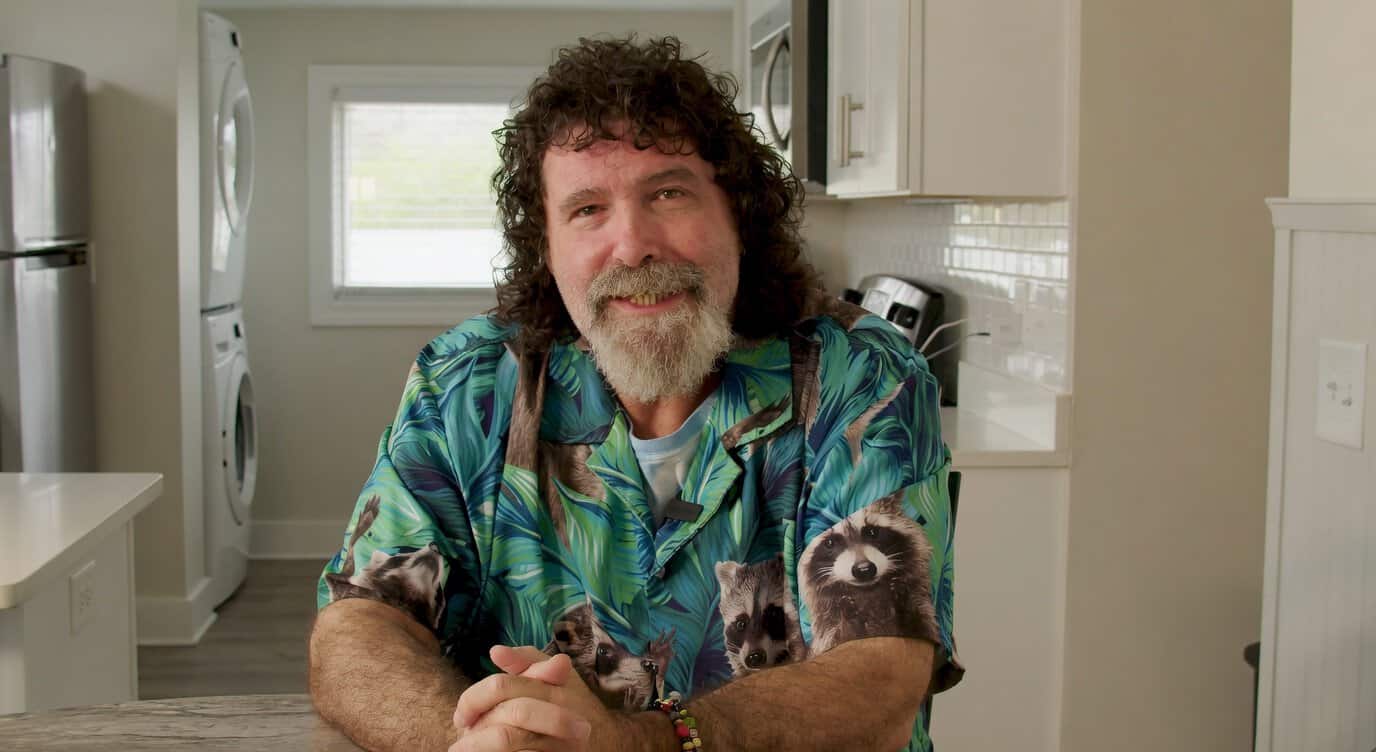
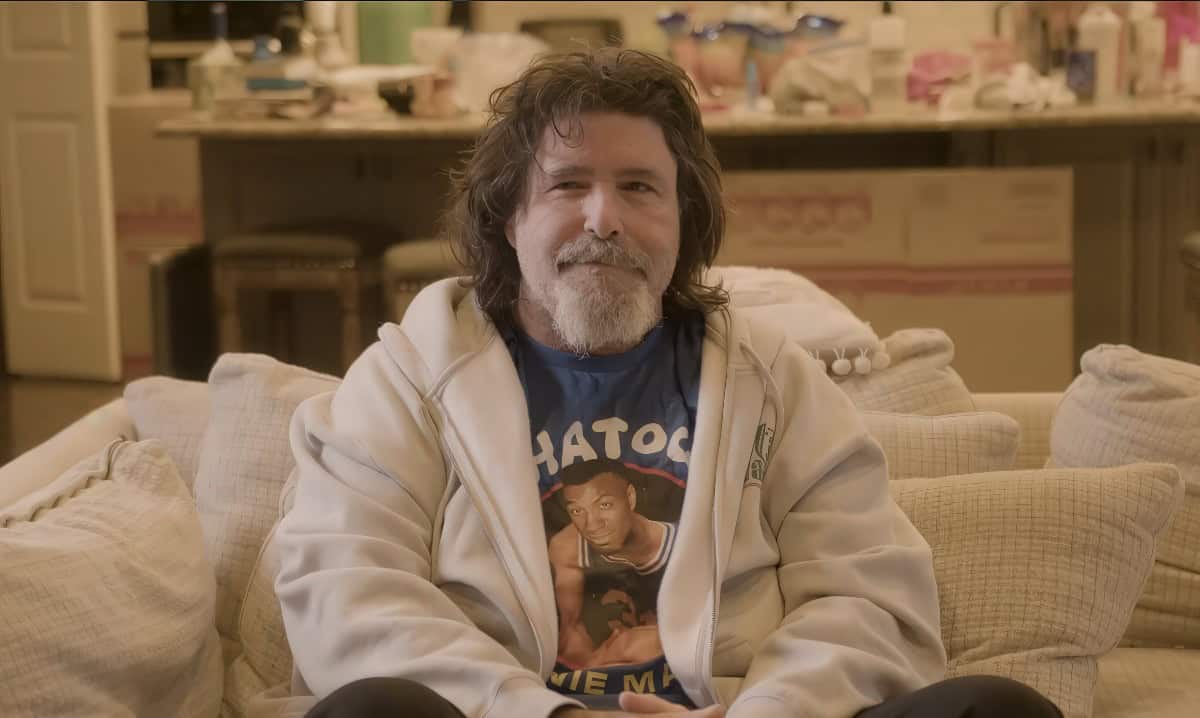
The presence of Mick Foley backstage adds another psychological layer. Foley's recent move to AEW has revitalized the locker room. In a recent interview, Mick Foley set the record straight regarding his WWE exit.
He walked away from his legends contract in June because of personal political disagreements. This shows that some values matter more than a corporate paycheck.
During his appearance on Going Ringside, Foley made it clear he has no resentment toward his former employer. He said, 'Just because we don't have a relationship in the near future doesn't mean I'm not proud of everything I did.'
He joked that he was not proud of some Dude Love material. However, he remains glad that younger fans can watch his classic matches. That integrity contrasts sharply with MJF's self-serving character.
Foley's presence is more than symbolic. He is down over 100 pounds and has undergone hip and knee surgeries. While he has ruled out an immediate return to the ring, he has openly named Darby Allin as his dream opponent.
By aligning himself with the babyface roster, Foley has become a thorn in MJF's side. He reminds the champion that legacy is built on sacrifice, not political shortcuts.
MJF has historically struggled against the moral authority of hardcore legends. We saw this in his past feuds with CM Punk and Cody Rhodes. When a respected veteran stands in the corner of his opponent, MJF's composure slips.
With Foley now on the broadcast team and visible backstage, MJF's mental game is being tested. If Foley is at ringside, MJF will spend more time yelling at the legend than focusing on Briscoe's unorthodox offense.
The Overbooking Problem and the Verdict
The Overbooking Problem
Now for the negative note. The booking of the Forbidden Door cage match was messy. The finish relied too heavily on miscommunication between MJF and Andrade.
Protecting MJF in this manner felt cheap. It robbed Briscoe of a clean, heroic build-up to this title shot. The victory felt more like a fluke than a dominant performance.
Furthermore, booking the title match just three days later on free television is a questionable business decision. This rivalry has the emotional weight to carry a pay-per-view main event. Rushing it onto Dynamite feels like hot-shotting.
AEW risks burning through a valuable matchup before it can reach its full potential. This is a recurring issue with Tony Khan's booking in 2026.
The Verdict
So, how does it end? Briscoe will bring the fight, using his wild brawling style to rattle the champion early. He will hit a spectacular cactus elbow to the outside, sending both men through the timekeeper's table. But his injured shoulder will ultimately betray him.
MJF will survive the storm, target the joint, and secure the win. The prediction is precise.
MJF will retain the AEW World Championship at the 19-minute mark. He will lock in the Salt of the Earth, forcing a referee stoppage after Briscoe refuses to tap. Expect a post-match beatdown by the Don Callis Family, interrupted by Darby Allin to set up the next phase of the summer program.
Read Next
- Mark Briscoe has the chaos to upset MJF, but the champion is too smart
- MJF faces a chaotic style clash against Mark Briscoe on Dynamite
- Why Mark Briscoe's style is a massive problem for MJF on Dynamite
- Mick Foley wants one final match against Darby Allin and it scares me
- ⚡ AEW Dynasty 2026 — Full Coverage Hub
- 🎲 AEW Double or Nothing 2026 — Full Coverage Hub