The limitations of nostalgia in modern booking
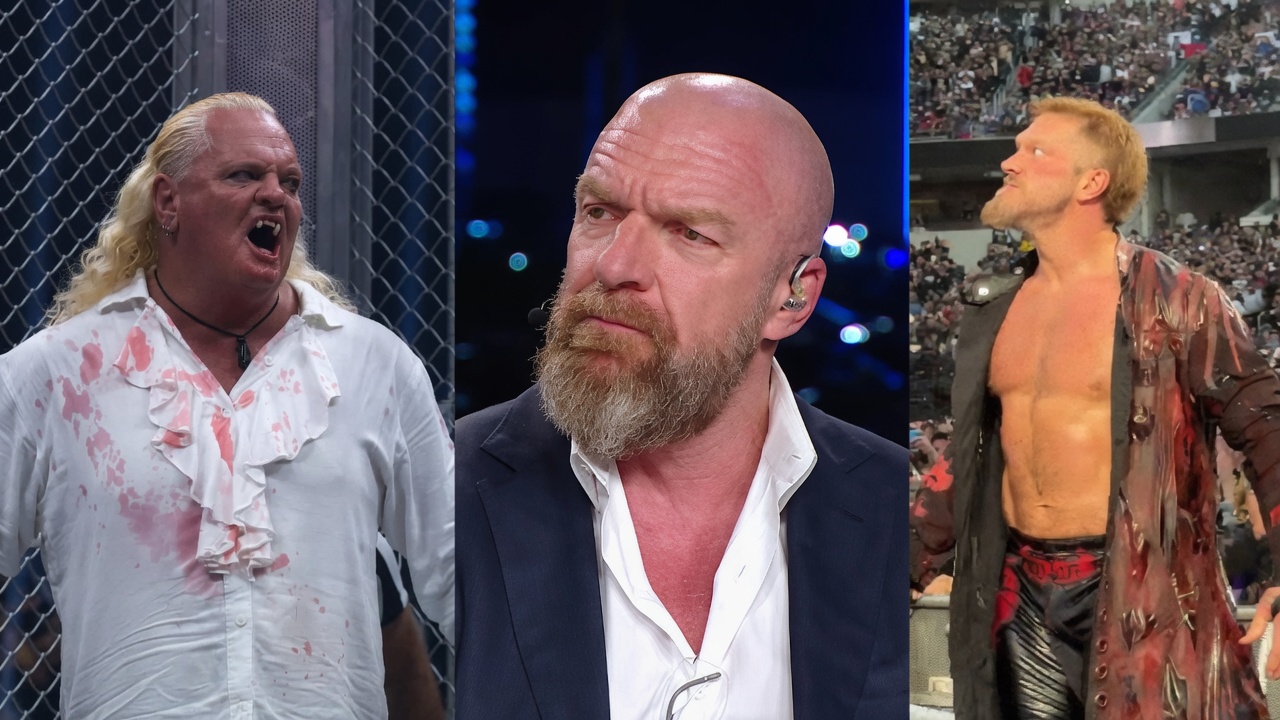
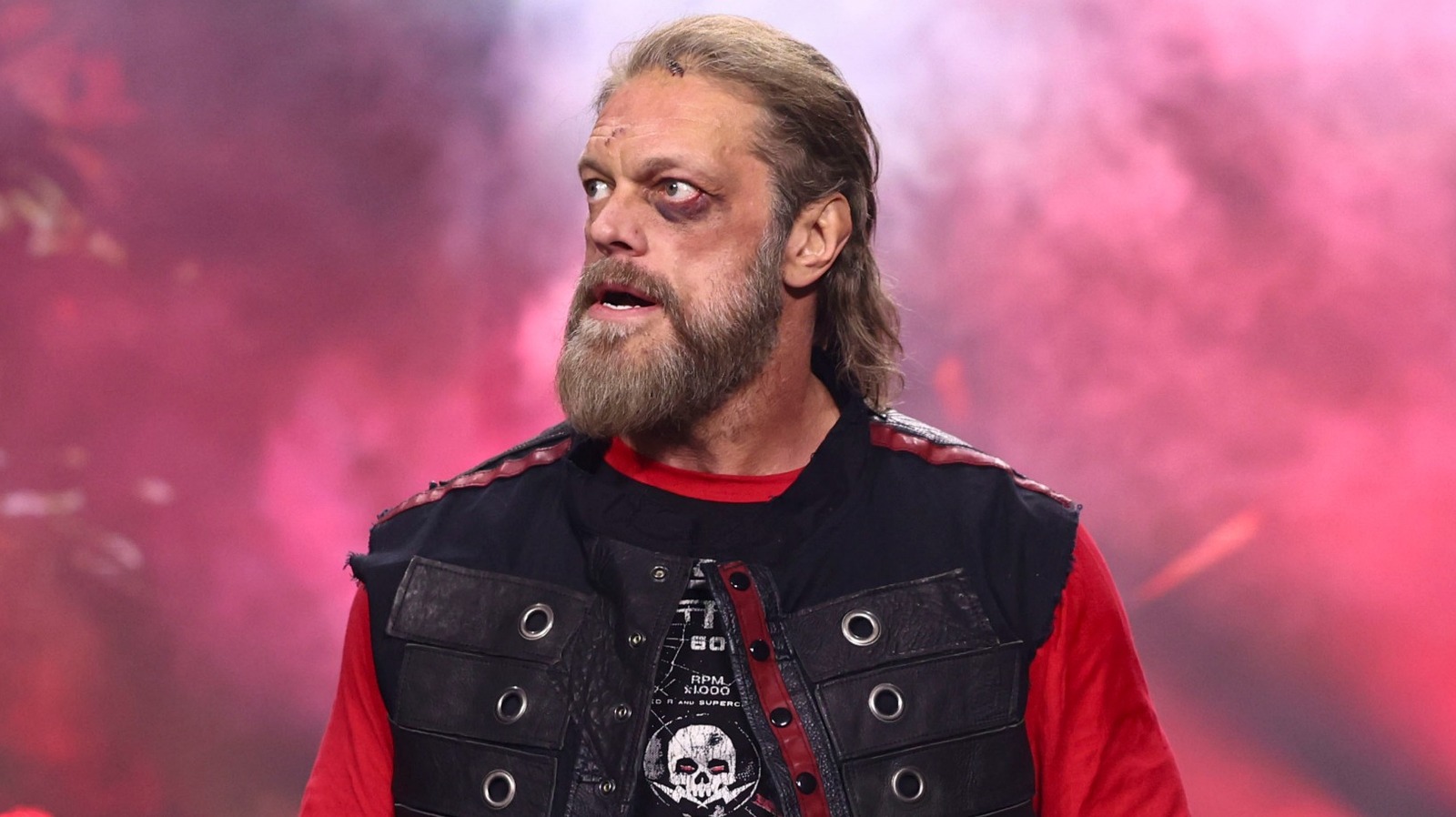
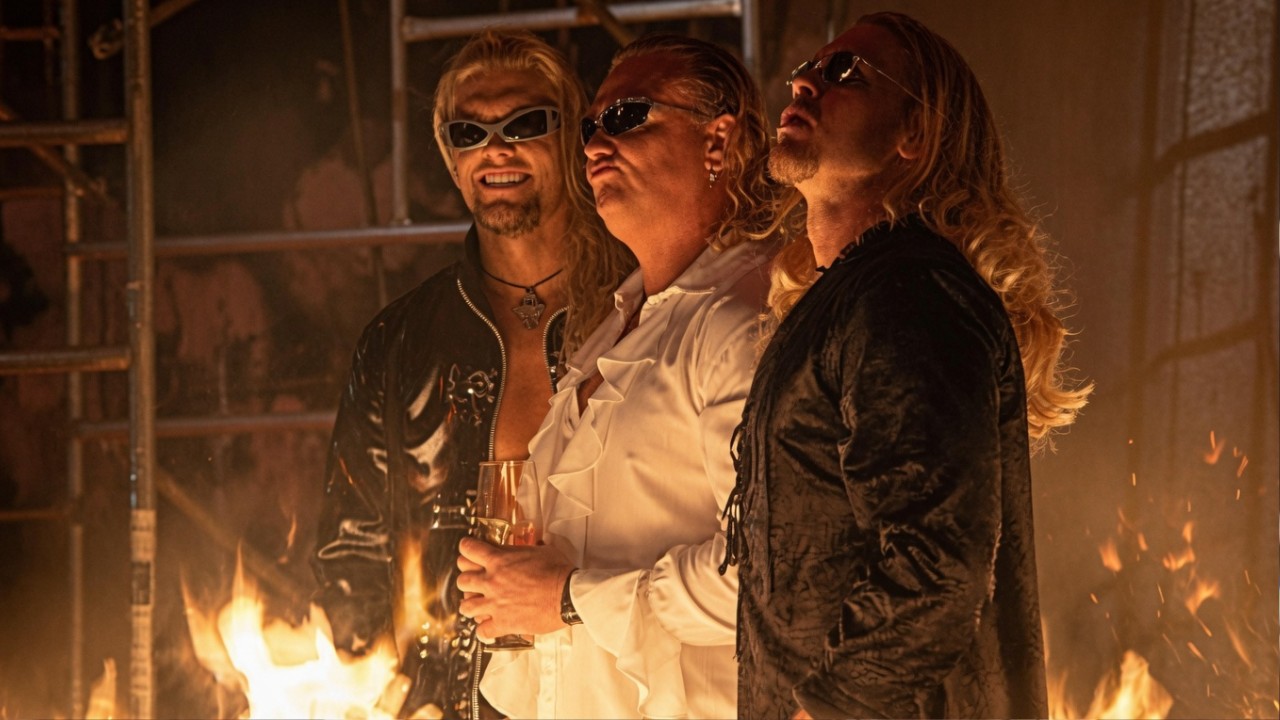
Professional wrestling thrives on the tension between shared history and the necessity of individual evolution. Recent discourse regarding The Brood—Gangrel, Edge, and Christian—has focused on the potential for a nostalgic three-year run. When Gangrel recently suggested that a three-year timeline would have stunted Edge’s development, he hit on a fundamental truth of the business. You cannot build a Hall of Fame career if you are tethered to a vampiric entrance and a blood-spitting gimmick that peaked in 1999.
Reflecting on the timeline provided by recent reports on Gangrel’s perspective, it is clear that while the aesthetic was iconic, its expiration date was short. The Brood operated as a springboard, not a final destination. If Edge had spent three years in that fold, the technical refinement we saw during his peak title runs would have been sacrificed for the sake of presentation.
The danger of the long-term nostalgia loop
Modern WWE booking often struggles with the desire to recreate past magic long after the talent has moved on. We see it in the constant teases of faction reunions that serve no narrative purpose beyond an initial pop in ratings. The Brood was effective because it was lean, messy, and specifically tailored to the late nineties aesthetic. Stretching that dynamic into the current era would expose the weaknesses in the presentation.
Critics of current long-term booking point to the dilution of star power when performers are forced to retread old ground. A talent like Edge, who eventually built his legacy on a repertoire of technical precision and psychological intensity, would have been hindered by the limitations of the character. The blood-drenched entrance is fun for a segment, but a three-year commitment is a sentence, not a celebration.
Analyzing the opportunity cost
Wrestling fans often romanticize the past to ignore the frustration of the present, yet this ignores the math of a career. Consider the transition points: by 2000, the focus on Edge and Christian shifted to their tag team work, which remains a high-water mark for the division. Had they been locked into the vampiric role for 36 months, the ladder matches that defined the early 2000s tag team scene would have lacked the necessary agency.
The argument for keeping factions together is usually centered on familiarity, but successful wrestling requires friction. If the internal dynamics of a group become static, the matches become predictable. We see this today when stables lose their edge while waiting on a pay-per-view payoff that never quite lands. Keeping the group together for that length of time would have been a booking error of massive proportions.
Ultimately, the history of the sport proves that successful wrestlers are those who shed their skin at the right moment. The Brood remains a high-quality slice of wrestling history because it ended before the audience developed resentment. Preserving that legacy requires resisting the urge to return to the well. If you look at the 15-minute average match time for many modern mid-carders, they lack the narrative room to grow because they are constantly distracted by nostalgia setups.
Looking ahead, the next big show will likely try to bank on an old-school reunion to drive ticket sales. Don't be fooled by the pyro or the classic music. True excitement comes from the new guard establishing their own identity. If they are busy imitating the ghosts of 1999, they will never become the legends of 2030.
Final verdict
I predict this weekend's main event will rely on at least one interference finish to set up a future tag match. It is a tired crutch, but one that continues to serve a purpose for the current creative team. Don't expect a technical masterpiece; expect a spectacle designed to mask the lack of long-term planning for the mid-card.