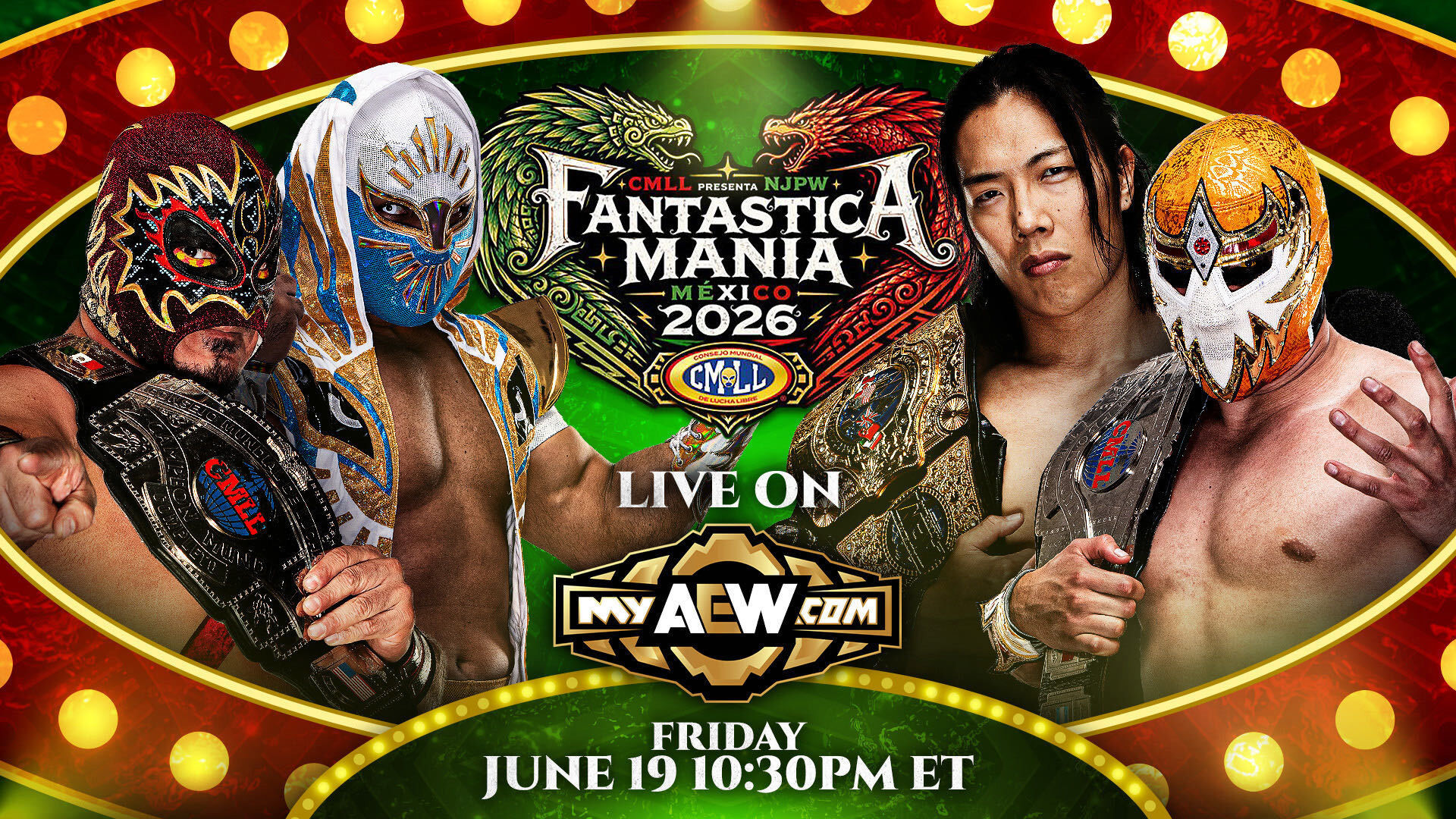
The production ceiling at Arena Mexico
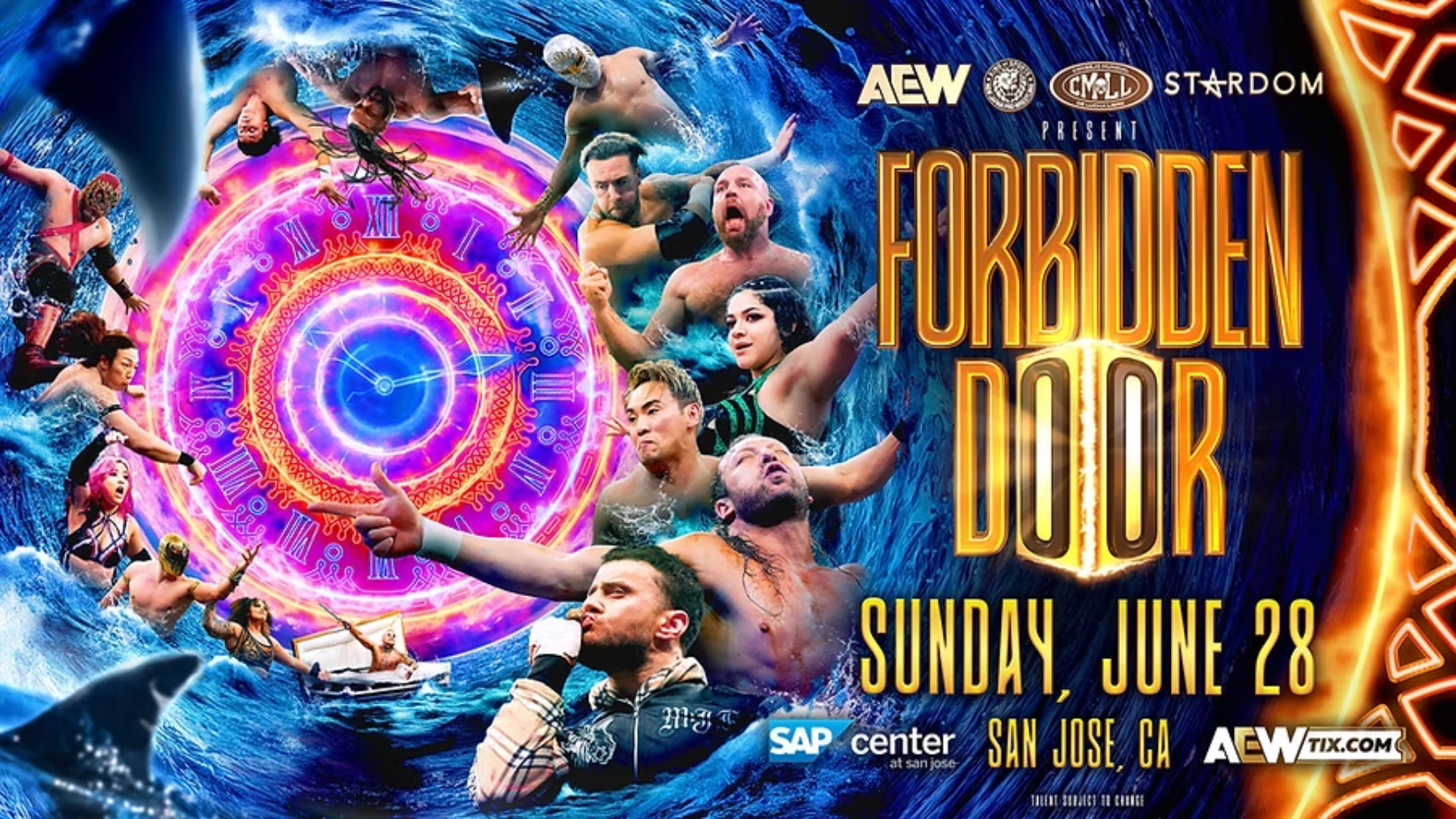
Watching Fantastica Mania Mexico 2026 this week, the contrast between the in-ring work and the broadcast experience was jarring. While the talent exchange between CMLL and NJPW remains the gold standard for pure wrestling, the presentation on the MyAEW platform felt stuck in a previous decade.
Technical hiccups during the main events were constant. Fans tuning in were forced to refresh streams repeatedly, losing the momentum of the high-flying sequences that define this collaborative tour. The integration with NJPW’s production standards is simply missing from these Mexico City dates.
Stagnant booking in the junior division
The card on June 19th delivered high quality in the ring, but the narrative stakes were nonexistent. We saw standard multi-man tags that have been booked the same way for five years. Nothing feels like an escalation.
When you look at the matches from the June 19th show, the reliance on heritage stars over fresh blood is becoming a liability. The veteran heavy-hitters remain technically sound, but they are working spots that crowd out the emerging talent who should be the focus of a 2026 tour. If recent results at Arena Mexico are any indication, the partnership is coasting on reputation rather than innovation.
The move toward diminishing returns
The collaborative format needs a structural rewrite for 2027. Relying on the same rotation of talent in standard six-man matches lacks the urgency required to justify the subscription cost for international viewers.
Management seems content with high attendance at the venue, ignoring the growing disconnect with the digital audience. Relying on brand name recognition alone won't sustain interest if the show format remains static. The 3-hour duration feels bloated when the storytelling provides no reason to stay invested through the undercard.
Final verdict on the crossover strategy
The partnership is caught in a holding pattern. Until they implement a cohesive ranking system that carries over between the Tokyo Dojo and Mexico City, these events feel like exhibits instead of high-stakes competition. A few flashy dives do not make a promotion relevant in a crowded market.
If they continue to treat the broadcast as an afterthought, expect viewership numbers to plateau. The fans are paying for a modern experience, but they are getting a broadcast that barely hits 720p on a good day. It is a missed opportunity for two legendary promotions to set a new standard.