The stark economics of life after WWE
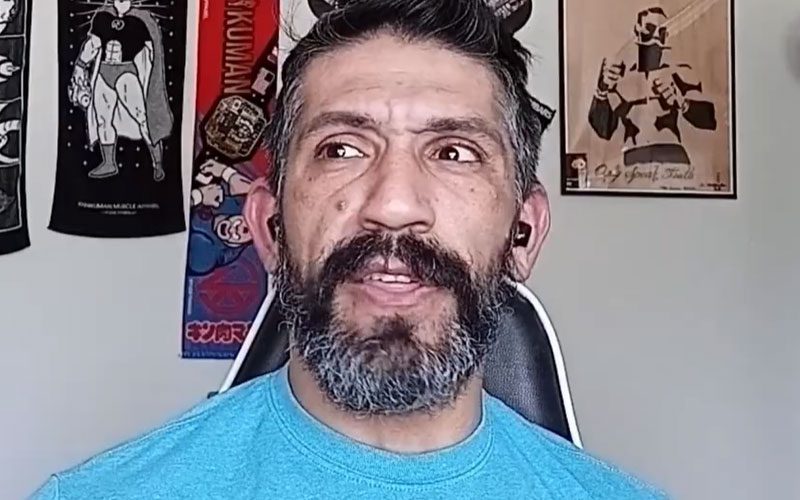
In 2026, the contrast between the scripted heights of global television and the reality of life on the independent circuit is sharper than ever. Simon Gotch, now 43, recently highlighted the brutal financial shifts facing veterans who left the machine. At this stage of his career, the physical toll of mid-tier bookings is shifting from a passion project to a cautionary tale of retirement planning.
Gotch is not an outlier. As reported in his discussion on the financial reality of independent wrestling, the allure of the indies is losing its luster when weighed against rising insurance costs and diminishing returns on travel-heavy schedules. When a talent hits their mid-40s, the 40% margin of profit after travel and lodging expenses becomes an increasingly difficult math problem to justify.
The cost of failed negotiations
The pipeline between Triple H’s current creative vision and former performers is rarely a straight line. Consider the case of Matt Cardona. Records indicate that WWE officials attempted to strong-arm his return under his old persona, Zack Ryder. Cardona refused, opting instead to maintain the brand equity he built post-2020. This suggests a shift where performers now view their independent intellectual property as more lucrative than a lower-card WWE contract.
This friction isn't new, yet the frequency of rejected returns appears to be increasing. Matt Morgan, for instance, previously turned down a lucrative surprise return at the 2014 Royal Rumble. While the lure of a one-off performance remains, the long-term value of those appearances is diminishing compared to the stability of self-managed careers.
Risk assessment and the pyro problem
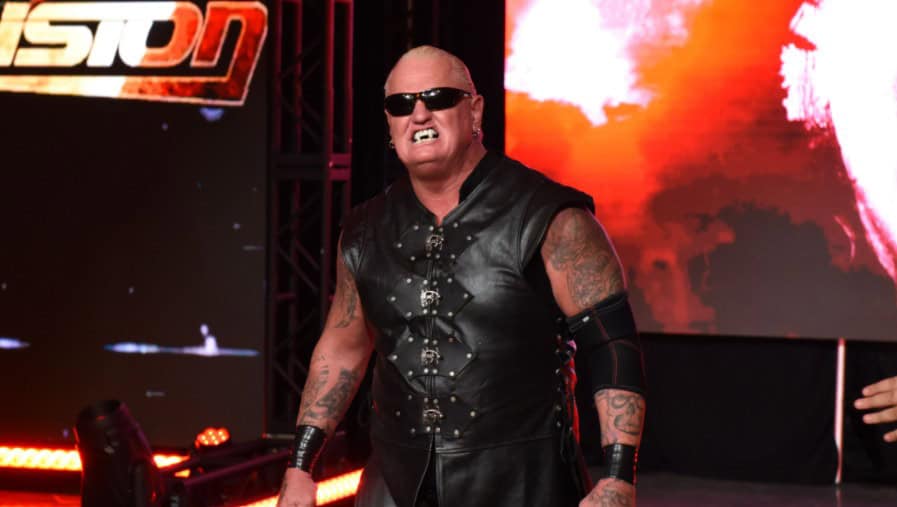
Financial anxiety isn't the only deterrent. The physical risk inherent in high-production returns remains a tangible worry for returning talent. Gangrel recently detailed a pyro accident during a return appearance that left him with burns, a stark reminder that even a brief nostalgia pop carries a 100% chance of uncontrolled environmental variables.
When these injuries occur, they serve as a direct hit to an independent wrestler’s ability to work the following weekend. If a veteran spends 3 out of 4 weeks per month on the road, a single mistimed pyro burst isn't just a production error; it is a direct subtraction from their annual income.
The fan-wrestler feedback loop
Gotch has also noted the rising hostility inherent in online discourse, which complicates the emotional labor required for talent to remain active. His frustration, as noted by Ringside News, focuses on the subset of fans who treat criticism as a full-time occupation rather than a consumer preference. This creates a high-turnover environment where the psychological weight of the fans' opinions adds to the already grueling physical workload.
Ultimately, the numbers indicate that the romanticized version of the indie veteran is vanishing. When the return path to WWE is paved with creative compromise and potential safety risks, talent are choosing their own metrics for success. A performer is no longer just looking at a payday; they are looking at a 15-year career window that requires optimization, not just participation.