The roots of greatness
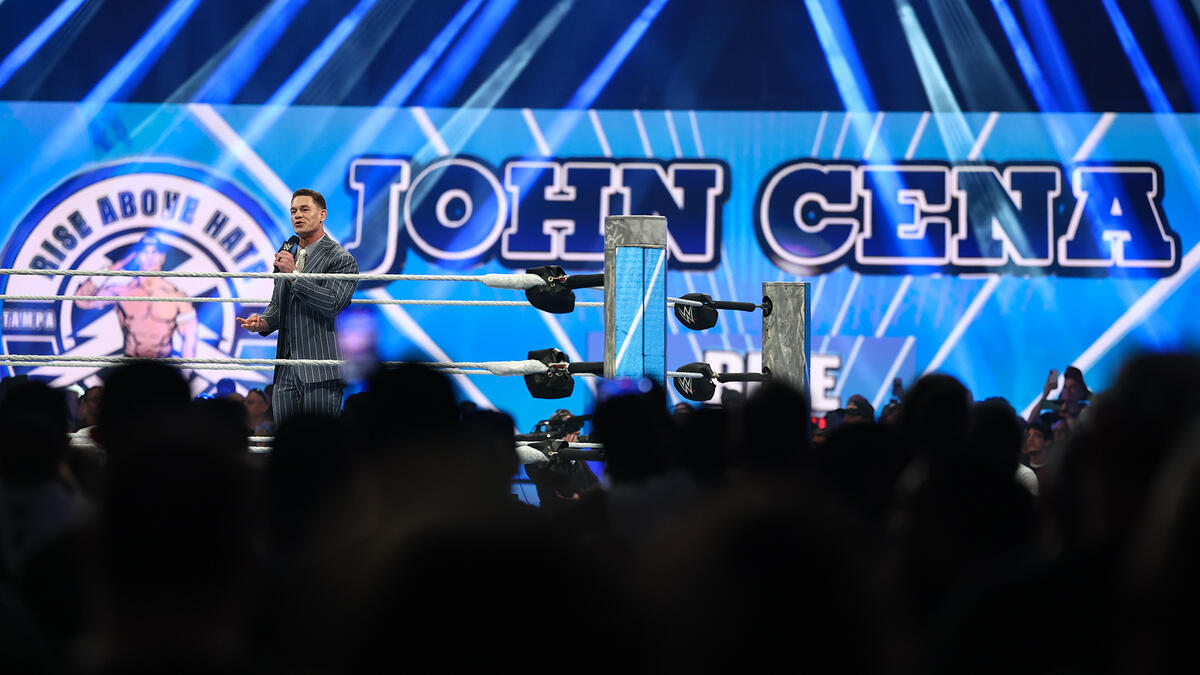
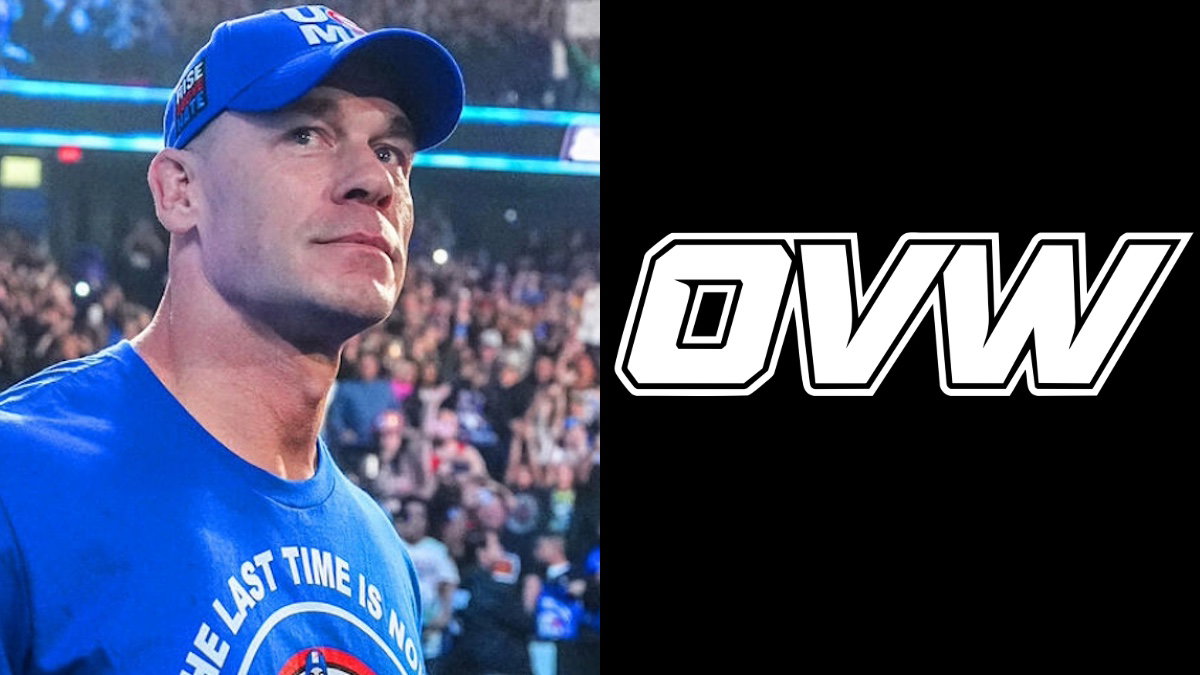
This past week, the industry took a collective breath to acknowledge the milestone reached by Ohio Valley Wrestling. With their 1400th episode airing on June 11, the promotion remains a vital, if aging, heartbeat of development. John Cena, a man whose career defines the modern era of sports entertainment, recently noted: “I wouldn’t have an end to such a beautiful wrestling journey if I didn’t have a start.” It is a simple sentiment, yet it highlights a thinning connection between major television conglomerates and the grit of regional territories.
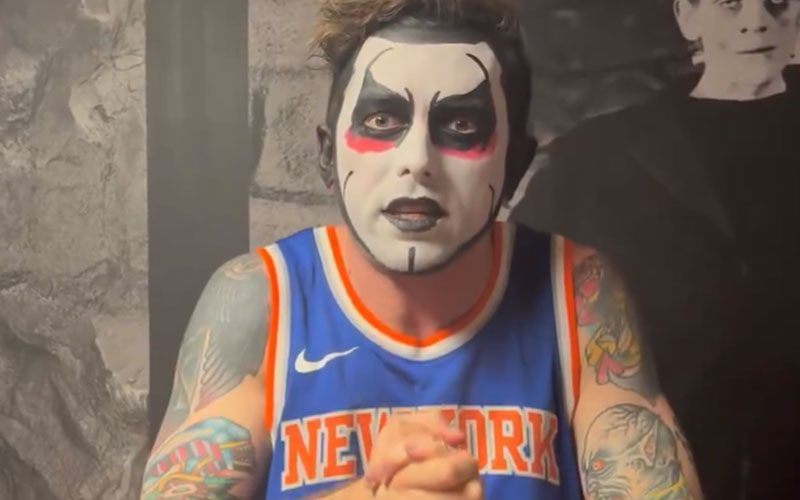
While Cena’s transition to global stardom is well-documented, the current state of independent wrestling suggests a different trajectory. Promotions like Wrestling Revolver are now operating with an intensity that mirrors the developmental systems of the early 2000s. The recent No Country For Ole Mancer event in Dayton serves as a case study for how the midwest scene fills the void left by sanitized, scripted products.
The technical disparity at play
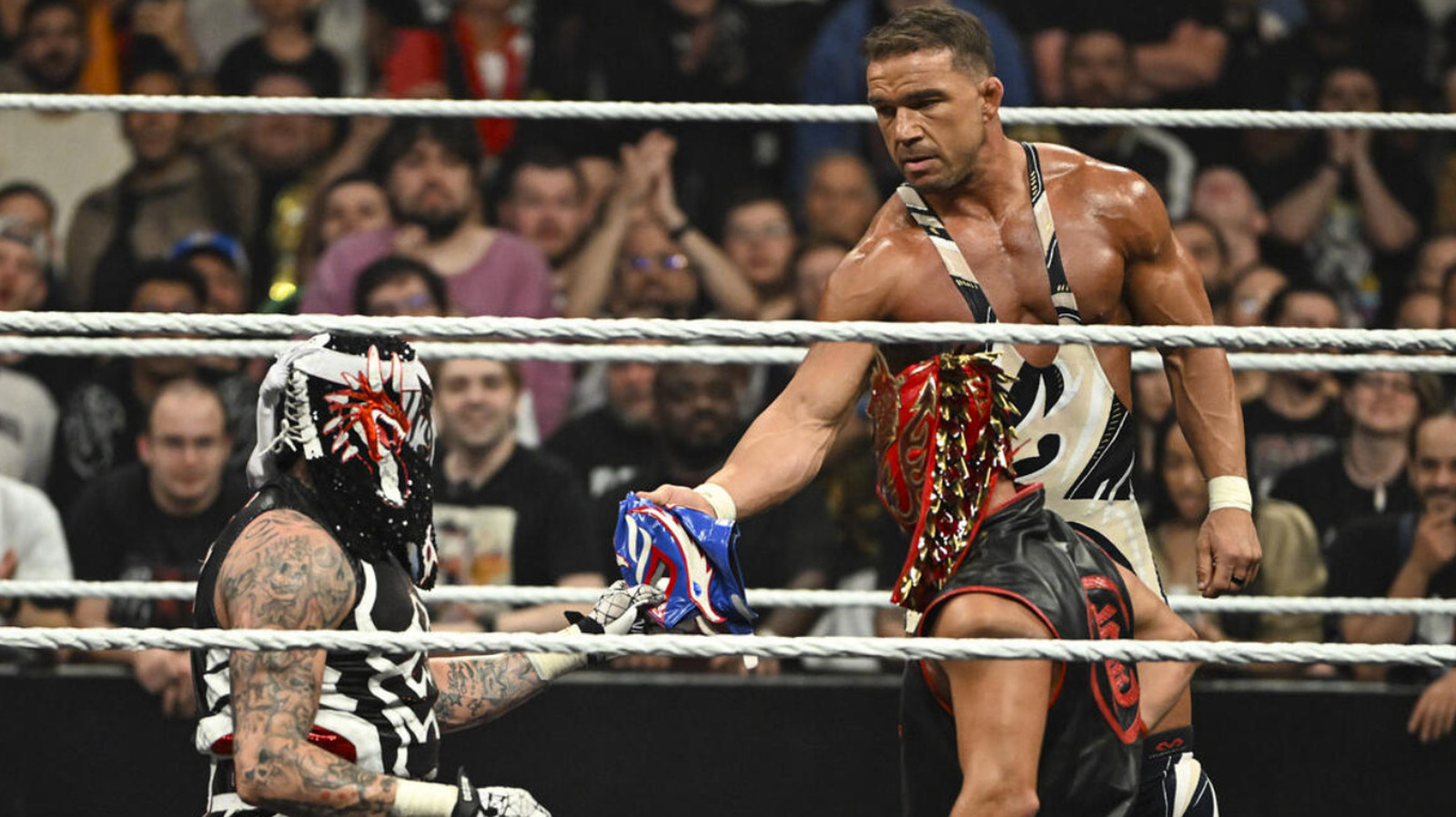
There is a dangerous trend in modern booking which emphasizes highlight-reel spots over coherent match structure. When watching the footage from Dayton, the pacing issues were obvious. Performers are frequently prioritizing velocity over selling, leading to sequences that look impressive on social media but fail to tell a coherent story within the ring. The reliance on high-risk maneuvers without adequate narrative buildup is a recurring flaw that even the most talented independent workers struggle to shake.
However, the technical proficiency remains high. The catch-style mat work currently being showcased in programs like Ohio Valley Wrestling offers a stark contrast to the aerial-heavy style currently dominating the mainstream. If wrestling is to evolve, it needs to synthesize the athleticism of the indie scene with the psychology of the territory days. Currently, the gap is widening rather than closing.
What to watch for in the coming months
As we examine the booking patterns of Wrestling Revolver, the reliance on high-intensity deathmatch elements is a double-edged sword. It drives engagement with a specific demographic, but it risks burning out the talent before they reach a level where they can operate at the top of a major card. The physical toll of the 6/12 card in Ohio was evident, with several segments lasting well past the point of diminishing returns.
My prediction for the remainder of 2026 is that we will see a shift in recruitment. Major organizations will move away from the hyper-local indie pipeline and return to legacy developmental systems that emphasize safety and consistent character delivery. Expect the independent sector to react by doubling down on niche, hardcore programming to survive as the alternative, rather than trying to replicate the polish of the multi-billion dollar giants.
Ultimately, the value of the independent circuit is not in producing polished products, but in providing the reps required to understand how to manipulate crowd reactions. For every 1400th episode milestone, there are hundreds of empty houses and hours of missed spots that provide the backbone of the industry. The future of wrestling won't be found in corporate boardrooms, but in the small arenas where mistakes are made and lessons are actually learned in the middle of a 20-minute exchange.
Read Next
- The tragic loss of Jordan Saint hits the indie scene hard
- Top 10: Defining Moments That Shaped Modern Wrestling
- Raw is staring down a viewership crisis this summer
- John Cena’s retirement keeps the door shut despite tournament buzz
- 🏆 WrestleMania 41 — Full Coverage Hub
- 👴 John Cena Retirement Tour 2026