The Silent Engine of the Monday Night Wars
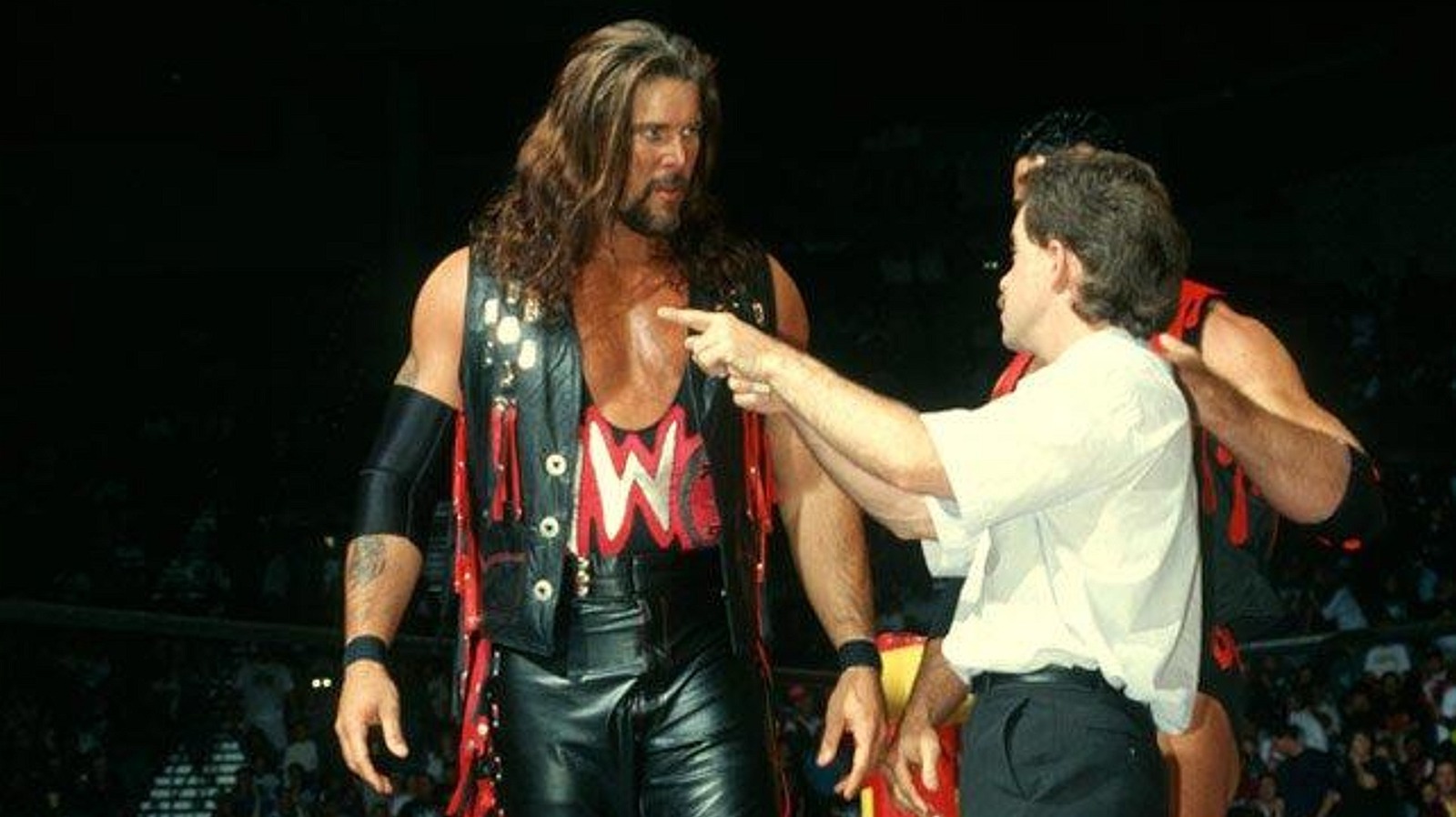
Kevin Nash is not known for his humility. On his podcast, Kliq This, the former WCW World Champion usually spends his time defending his booking decisions or boasting about his merchandise checks. Yet, in a recent episode, Nash made a surprising concession about why WCW ultimately lost the ratings war to WWE.
Nash pointed to the retirement of Arn Anderson as the moment the wheels began to fall off. According to Nash, losing Anderson was a massive blow to the company's internal structure. It is a rare moment of self-reflection from one of wrestling's most notorious political players.
Wrestling historians love to debate the exact moment WCW died. Some point to Starrcade 1997 and the botched finish of Sting versus Hollywood Hogan. Others blame the Fingerpoke of Doom in 1999 or the infamous Vince Russo era.
Nash argues we are looking in the wrong place. The real damage was done in August 1997, when a severe injury forced Anderson out of the ring. As Wrestling Inc reported, Nash believes the loss of Anderson's in-ring psychology and teaching ability devastated the roster.
He is right. Without Anderson acting as the connective tissue in the midcard, WCW became a top-heavy promotion. The main events grew bloated, while the young talent had no one to guide them.
The Anatomy of a Ring General
To understand why Anderson's retirement hurt so much, you have to look at his style. Anderson was never a high-flyer or a bodybuilder. He was a master of positioning and pacing, a wrestler who understood that the spaces between the moves mattered more than the moves themselves.
Watch his tag team work with Tully Blanchard in the late 1980s. They did not rely on flashy double-team maneuvers to get a reaction. Instead, they cut the ring in half, isolated their opponent's left arm, and made frequent, quiet tags.
They drew heat through spatial discipline. If a babyface tried to make a hot tag, Anderson was already in the passing lane, subtly blocking the referee's vision. It was mechanical, logical, and flawless.
When you lose a technician like that, you do not just lose a body on the card. You lose the template for how professional wrestling is supposed to work. Nash acknowledged this, calling Anderson a 'ring general' who kept the locker room focused.
Without him, that focus evaporated. The nWo style took over, characterized by long, rambling promos and interference-heavy finishes. The art of the clean, 15-minute wrestling match was replaced by chaos.
The Backstage Coaching Deficit
Wrestling is an oral tradition, passed down from veterans to rookies in car rides and locker rooms. In 1997, WCW's roster was split into two camps. You had the highly paid main-eventers who protected their spots, and the young, hungry cruiserweights imported from Mexico and Japan.
Young stars like Eddie Guerrero, Rey Mysterio, and Dean Malenko were outstanding athletes. However, they still needed to learn how to structure matches for American cable television. They needed to know when to slow down, how to feed a babyface comeback, and how to work the camera.
Anderson was the guy who taught those lessons. He spent hours at the curtain, watching matches and offering blunt critiques. When his injury forced him to step back, that informal coaching system collapsed.
Instead of learning psychology, the younger roster was left to fend for themselves. They quickly realized that work rate did not matter to the office. The only thing that mattered was getting noticed by the top clique.
The result was a roster that grew increasingly frustrated and disorganized. The matches on Nitro became a series of cool moves without any narrative thread. The workhorse midcard, which had kept WCW ahead of WWE during their 83 weeks ratings streak, began to rot from the inside out.
The Parody That Crossed the Line
The injury that ended Anderson's career was a tragic turn of events. A neck injury had slowly eroded the strength in his left arm, making it impossible for him to perform safely. On the August 25, 1997 episode of Nitro, Anderson gave a raw, emotional retirement speech.
He stood in the ring and handed his 'spot' in the Four Horsemen to Curt Hennig. It was a segment designed to build Hennig as the new protector of the Horsemen legacy. It should have set up a massive, high-stakes war between the Horsemen and the nWo.
Instead, WCW booked one of the most controversial segments in its history the following week. On the September 1, 1997 episode of Nitro, Nash and the nWo came out to perform a parody of Anderson's speech. Nash wore a neck brace and exaggerated Anderson's physical limitations.
It was designed to get heat, but it backfired spectacularly. The parody did not make fans want to see the Horsemen get revenge. Instead, it made the Horsemen look like pathetic, outdated relics.
Losing Arn, because not only was Arn a ring general and could f**king run young talent and teach young talent, Arn's psychology was amazing. So just losing him as part of the team, that hurt us...
Nash now admits in his Kliq This podcast that his behavior did not help. He was a dick, and he knew it. The segment drew laughs from the 9,000 fans in attendance, but it destroyed the credibility of the babyfaces.
It was a classic WCW mistake. They prioritized a cheap laugh for their heel faction over the long-term health of their babyface challengers. The Horsemen never recovered, and Hennig's subsequent heel turn felt hollow.
The Modern Philosophy Battle: WWE vs AEW
Fast forward to the summer of 2026. The wrestling industry is locked in another corporate battle. WWE and AEW are competing for television rights, live gates, and the hearts of hardcore fans.
On the surface, it looks like a battle of star power. AEW boasts some of the most spectacular in-ring performers in the world, while WWE relies on its massive global brand and stadium shows. But the real war is being fought backstage, in the exact same way Nash described.
WWE has built a highly structured developmental system. Under the guidance of Shawn Michaels and a team of veteran producers, NXT has become a factory for disciplined, camera-ready performers. Every match is meticulously planned, and rookies are taught the fundamentals of pacing and psychology before they ever step onto television.
AEW, on the other hand, has often struggled with locker room discipline. While they have veteran mentors like Bryan Danielson and Christian Cage, their television shows frequently suffer from the same chaotic, unstructured feel that plagued WCW in the late 1990s. We see matches with incredible athletic feats but zero narrative logic, where wrestlers kick out of finishers on free television without any long-term consequences.
This is what is at stake in the coming months. As both companies prepare for their summer tours, the question is whether raw athletic talent can overcome a lack of structured leadership. If AEW cannot find its own 'ring generals' to enforce discipline, they risk repeating WCW's mistakes.
What to Watch for in the Ring
As we watch the television shows over the next few weeks, there are specific tactical patterns to look for. Pay attention to how matches are structured on Dynamite versus SmackDown. Are the heels working a body part, or are they just trading moves?
Look at the placement of commercial breaks. In a well-structured match, the heel dominates during the break, keeping the crowd engaged through basic heat-building tactics. In a poorly structured match, the wrestlers just perform high spots for the empty arena, draining the live crowd's energy.
Watch the tag team division in particular. The art of tag team wrestling is a lost science. Look for teams that understand rules like the hot tag, double-teaming behind the referee's back, and cutting off the ring. If a team is just trading flips without any tag psychology, they are failing the legacy that Anderson left behind.
We must also look at how veterans are used. Are they there to elevate the younger talent, or are they just collecting a paycheck and protecting their own brand? The answer to that question will determine the future of both rosters.
A Bold Prediction for the Summer War
History repeats itself because people refuse to learn its lessons. WCW thought they were invincible because they had the biggest stars and the highest ratings. They did not realize that their foundation was rotting until it was too late.
Nash's admission is a stark reminder that the little things matter. The ring general who works the opening match and teaches the rookies at the curtain is just as important as the megastar who sells out the stadium.
Here is my prediction for the summer of 2026. WWE's disciplined, structured approach will continue to widen the gap. Their television shows will feel more polished, their matches more cohesive, and their storylines more focused.
AEW will continue to put on great individual matches, but they will fail to build a cohesive narrative. Unless they empower their veterans to take control of the locker room and enforce strict match psychology, their ratings will continue to stagnate.
The war will not be won by a surprise debut or a five-star match. It will be won by the company that remembers the lessons of Arn Anderson. Without a ring general, even the most talented roster is just a collection of individuals waiting to fail.