The culture of silence in the ring
The professional wrestling industry is finally reckoning with the psychological cost of its hyper-masculine performance culture. For decades, the unspoken rule inside the performance centers has been simple: show no weakness, take the bump, and keep your anxieties buried until you retire. That rigidity is now being dismantled by the very people who were once expected to uphold it.
Former WWE Champion Ettore Ewen, better known to fans as Big E, recently provided a candid look at the pressures inherent in the developmental system. Ewen noted how the relentless push to embody a specific physical archetype often leaves no room for raw, human vulnerability. When the standard for success is defined by how well you mask pain rather than how well you perform, the logical outcome is a workforce that fears even mentioning mental health struggles.
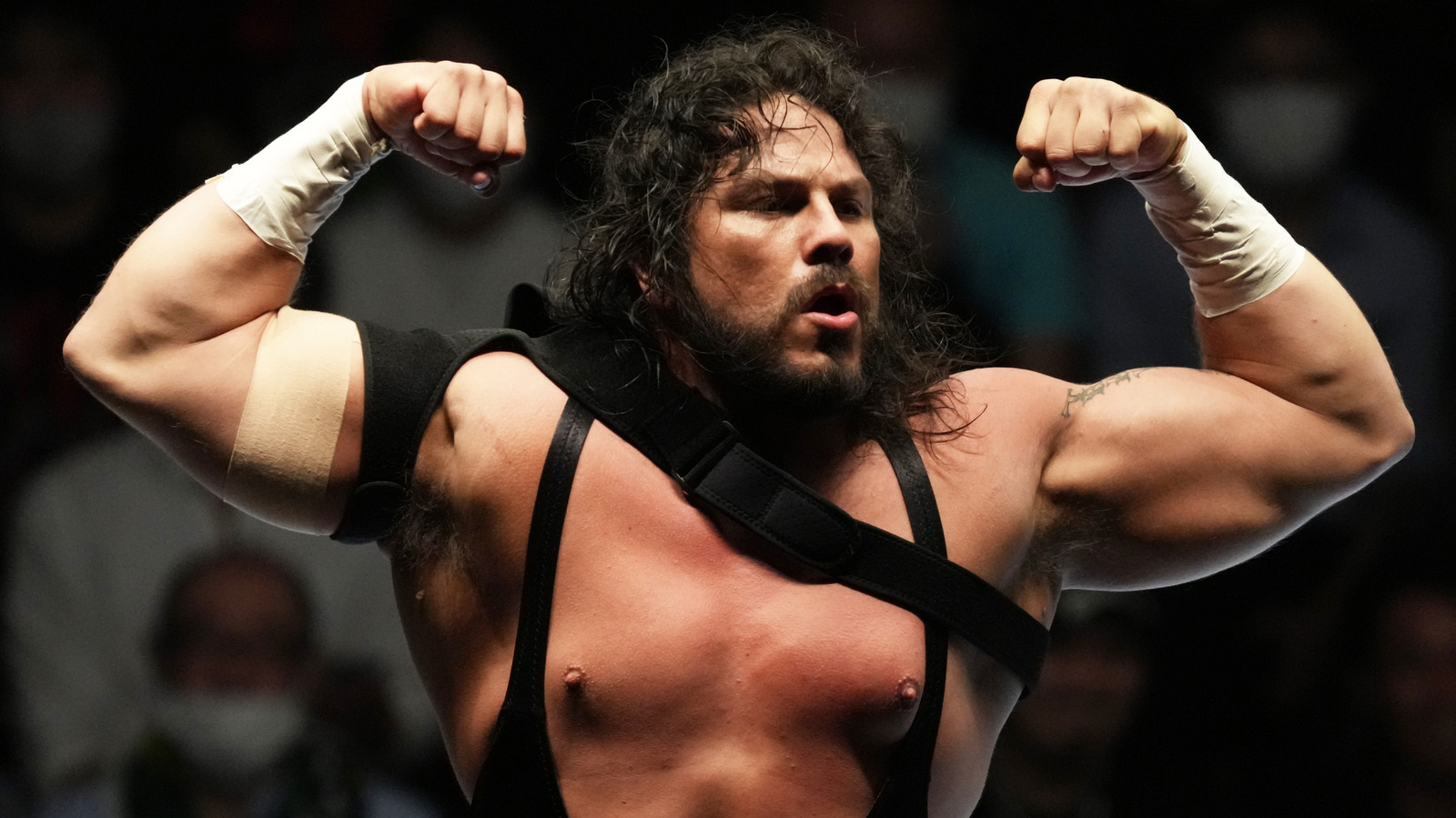
Bad Dude Tito has opened up about his own battles with extreme self-doubt in New Japan Pro-Wrestling. Tito’s transparency stands in direct opposition to the stoic tradition that has historically dominated the business. He isn’t just talking about ring rust; he is addressing the internal paralysis that takes hold when the pressure to maintain a larger-than-life character becomes the primary job requirement.
The developmental disconnect
The critique here isn't just about individual talent; it is a structural failure of how developmental territories are booked. By prioritizing physical size and aggressive aesthetic conformity, promotions have historically screened out talent that might not fit the narrow, outdated definition of a star. This behavior creates an environment where anyone acknowledging a mental health crisis is viewed as a liability rather than a human being requiring support.
Consider the history of wrestling’s approach to injuries. While sports medicine has made massive strides in diagnosing concussions and joint stability, psychological health remains the final frontier. There is a tangible disconnect between the modern medical protocols for an ACL tear and the total lack of infrastructure for what happens when a performer suffers from burnout. We are seeing a shift, but it is moving at a glacier's pace compared to the physical side of the game.
The tragedy of the situation is compounded by the external dangers performers face outside the ring. The recent news that Michael Hogue is set for court this Wednesday regarding the death of former developmental talent Kevin Nikel serves as a grim context for the industry's instability. As PWInsider reported, the case remains a sobering reminder that talent management extends well beyond the final pinfall.
Looking at the structural cracks
The push by figures like Ewen to change the narrative is overdue, yet it faces massive resistance. The wrestling industry is currently obsessed with the pursuit of the next massive box-office draw, a focus that often blinds management to the attrition rates of their roster. When mental health is treated as a secondary concern, it inevitably impacts the product on screen. A performer who isn't mentally sound cannot provide the crisp execution fans expect during a high-stakes match.
We are seeing an era where the divide between the locker room and the front office is shrinking, but not fast enough. The pressure to maintain a hyper-masculine image is a marketing tool that has mutated into a career-shortening requirement. It is an outdated business model that relies on the exploitation of youth and the suppression of the very trauma that makes these performances so volatile and compelling.
The industry needs to adopt a policy where mental health check-ins carry the same weight as annual physicals. Currently, an injury report is strictly defined by which ligaments are torn or which bones are fractured. Until a performer’s mental health is indexed with the same rigor as an official injury report, the culture will remain flawed. The reliance on performers to self-regulate in an environment that actively discourages transparency is a trap.
Ultimately, these revelations highlight a disturbing trend where the cost of entry into top-tier promotions is too high for the average worker’s mental stability. Management can continue to prioritize the show above all else, but they are playing an unsustainable game. High-level performance requires a high-level support system, not just a weight room and a ring.