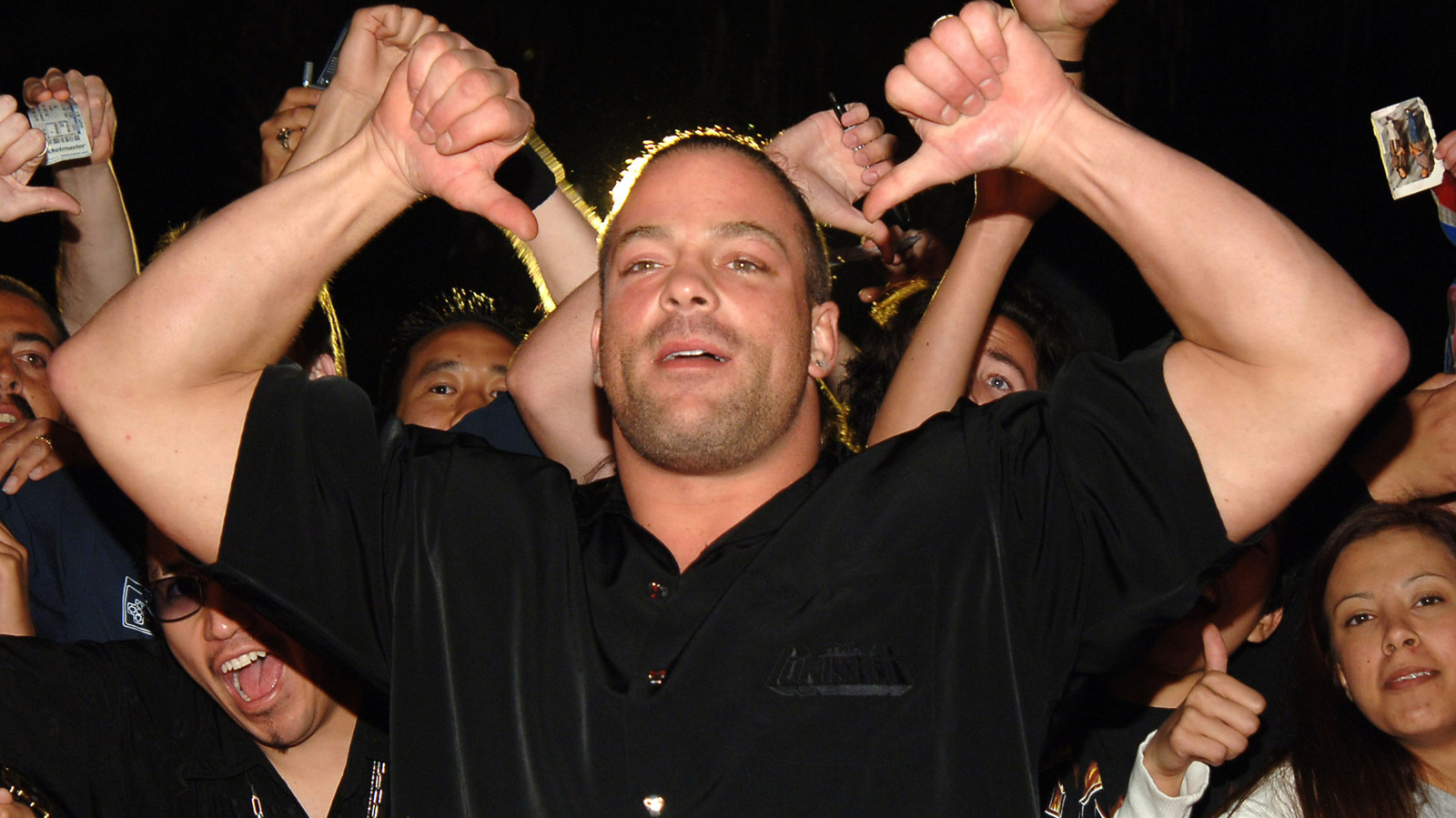
The raw energy that drives the lucha scene
Lucha libre is not merely a style of professional wrestling; it is a rapid-fire tactical showcase built on unconventional leverage. While North American promotions often prioritize methodical psychology, the footage from AAA Lucha Libre released on June 20, 2026 demonstrates an obsession with verticality. The sequence frequency in these matches typically exceeds 40 exchanges per five-minute window.
This speed isn't done for flourish. It serves a specific strategic goal: forcing defenders to pivot their balance points constantly. When a luchador executes a headscissors into a dropkick, they aren't just hitting a move. They are resetting the opponent's spatial awareness to set up an aerial transition.
Understanding the magnetism of the mask
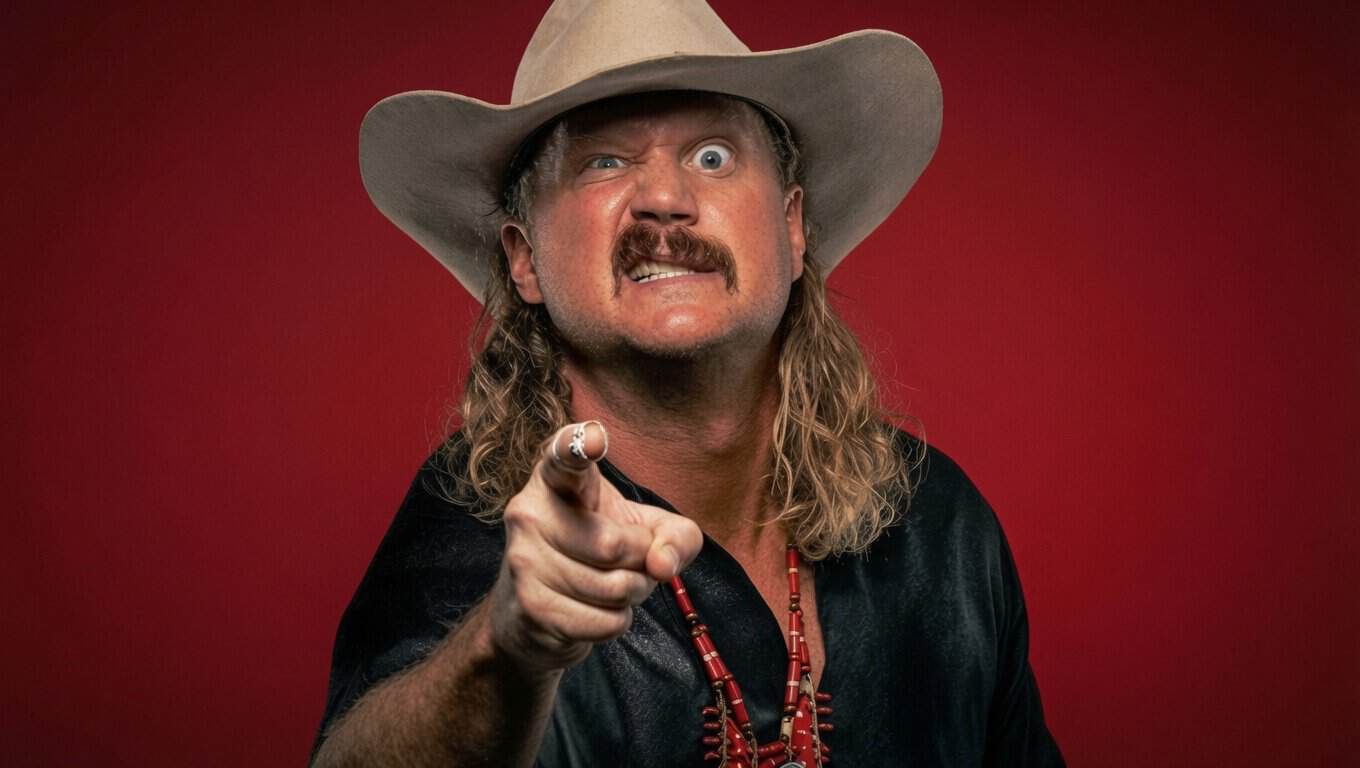
Legends like Jeff Jarrett have frequently cited the unique intensity inherent in this culture as a primary draw. Jarrett noted the immense passion found in these arenas as a catalyst for talent development across the globe. It creates a psychological feedback loop where the live crowd’s volatility forces performers toward higher risk profiles.
This environment is fundamentally different from the atmosphere cultivated in the original ECW. Rob Van Dam recently discussed his tenure in that era, describing the fan base as uniquely intimidating. According to his reflections on recent industry commentary, that pressure resulted in a style grounded in survival rather than technical exhibition.
Why the contrast matters
Comparing the two models reveals a glaring flaw in modern booking. Many promotions now attempt to homogenize their product, stripping away the distinct tactical identities that make regional styles stand out. When you remove the unique pressure of an intimidating crowd or the technical demands of high-flier rotations, the product becomes predictably monotonous.
The passion Jarrett mentions in his recent interview is the missing variable for organizations looking to reclaim their edge. Without that emotional investment, a standard 15 minute main event feels like a choreographed sequence rather than a struggle. Matches should feel like they have a high-stakes outcome.
The upcoming tactical outlook
Looking ahead, the success of any promotion relies on recognizing these cultural boundaries. If an organization forces a luchador into a traditional grapple-heavy framework, they neutralize their best weapon. The most successful bouts consistently allow for the natural flow of risk-based maneuvers.
My prediction for the summer circuit is that we will see a decline in generic performance quality unless companies specifically hire for style-based expertise. If you ignore the heritage of your roster, you end up with a product that resonates with no one. The industry is currently riding a wave of nostalgia, but the technical reality will assert itself as the only path to sustained relevance by the fourth quarter of the year.