The noise outside the squared circle
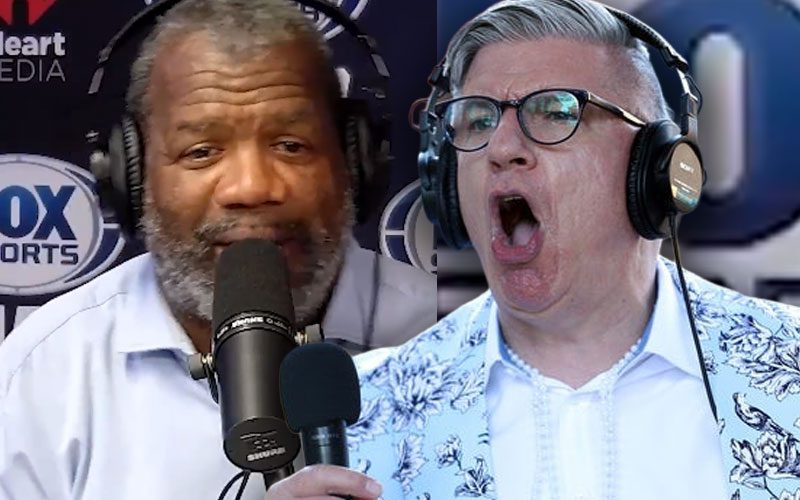
The recent discourse surrounding why adults choose to consume professional wrestling has reached a tedious peak. Rob Parker’s attempt to delegitimize the medium by framing it as a pursuit for children only reveals a fundamental ignorance of contemporary athletic consumption. Wrestling is not a static monolith; it is an evolving performance art that demands literacy in narrative long-term booking and physical psychology.
We saw this intellectual laziness on full display when Dave LaGreca and Tommy Dreamer were forced to defend the legitimacy of their life’s work. As reported by Ringside News, the defense was passionate, but the critique itself is a relic of the eighties. The average fan today tracks quarter-hour ratings, internalizes complex faction dynamics, and understands the difference between a work-rate specialist and a purely character-driven act.
The disconnect between numbers and reality
Analytical focus has shifted toward the bottom line. With recent data from Dave Meltzer highlighting the volatility of modern ratings, the industry is under a microscope that few traditional sports face. Critics focus on the carnival aspects while ignoring how sophisticated the digital and merchandise pipelines have become for outfits like AEW.
There is a glaring flaw in the current critique of the business: the preoccupation with perceived optics rather than the product’s health. Take the persistent, unfounded narratives surrounding the relationship between retailers and major promotions. Rumors regarding the instability of partners like Pro Wrestling Tees were quickly refuted, proving that the business side remains more resilient than the gossip cycle suggests.
Predicting the inevitable cycle
I predict that this cycle of skepticism will not break until the next major premium live event on May 9, 2026. When WWE Backlash hits, the same pundits questioning the demographic will see the sell-out gates and the sheer volume of high-quality, high-risk maneuvers. It happens every time.
The product, however, is not immune to criticism. Booking mistakes—specifically the reliance on rematches that have lost their stakes by the second encounter—are a genuine concern for fans who want innovation on the card. When you see a champion defended in consecutive months without a fresh stylistic wrinkle, the product stagnates regardless of who is watching.
Ultimately, the gatekeepers of sports media fail to realize that wrestling fans are the most consistent demographic in the entertainment industry. They value retention, intricate storylines, and the spectacle of a successfully executed superkick or a top-rope spot that defies standard physics. The spectacle of 20,000 people reacting to a false finish remains the most powerful tool in the promotion's shed.
Ignoring the intelligence of such a large audience is a tactical blunder. This industry isn't dying; it is merely waiting for the next set of critics to realize they are shouting at a wall of brick that has stood for over a century.