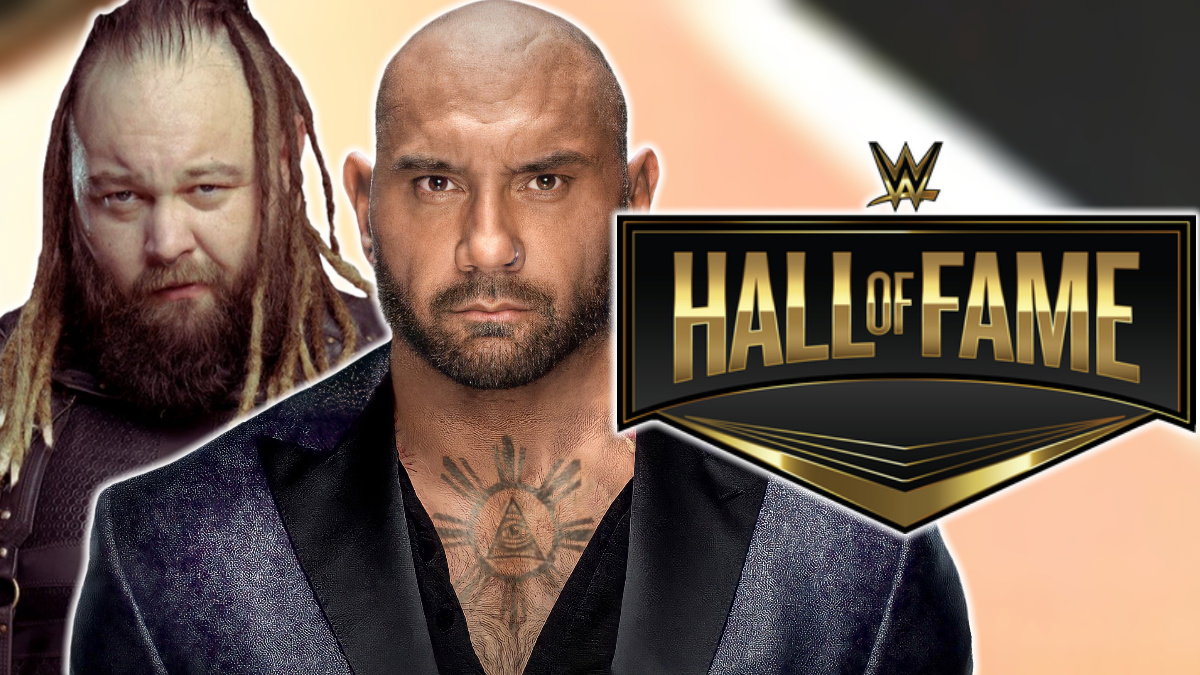
The Hall of Fame obsession
We are barely past mid-summer 2026, yet the discourse has already shifted toward the 2027 WWE Hall of Fame ceremony. It is a recurring symptom of a promotion that sells its past even more aggressively than its current product.
The current buzz for Fanatics Fest suggests that the company is aiming to align major legend appearances with the 2027 calendar year. According to reporting from F4WOnline, the strategy involves leveraging these fan conventions to maximize the presence of recurring icons. It creates an environment where the nostalgia cycle feels perpetual.
The danger of booking for the past
Speculation about the next induction class is already rampant. Reports from WrestleTalk have identified several contenders for the headline spots. While these ceremonies draw ratings, they prioritize the rearview mirror, which risks alienating active performers.
Even merchandise decisions feel tethered to this retro-first philosophy. A TNA Hall of Famer recently secured a WWE Mattel action figure, as noted by F4WOnline. While collectors enjoy the move, it highlights a broader issue: the industry relies heavily on intellectual property established long ago to maintain baseline interest.
Contrasting approaches to history
Contrast this with the situation in AEW, where building a legacy is still a work in progress. Tony Khan has openly toyed with the idea of reviving the ROH Hall of Fame, even mentioning that Athena could be an inductee, according to Wrestling Inc. The distinct difference is that inducting a current star like Athena feels like an active endorsement of ongoing work.
The WWE model, conversely, relies on retired figures whose work is completed. When the company treats the Hall of Fame as the most significant event on the weekend calendar, it tells the audience that the present roster is merely the opening act for the legends waiting in the wings.
The verdict on 2027
I predict that 2027 will see an even leaner emphasis on active roster development in favor of massive nostalgia-bait ceremonies. The company knows the metrics well; nostalgia drives the 35-50 age demographic higher than almost any new storyline. They will push the Hall of Fame harder than they push the actual mid-card titles.
Expect booking decisions for the next nine months to be aimed at positioning future inductees rather than rising stars. This is a business play, but as an analyst, I find it structurally flawed. It prevents the next generation of top-tier talent from gaining the oxygen they need to transcend their current positions.