The night Punk finally felt like a main eventer
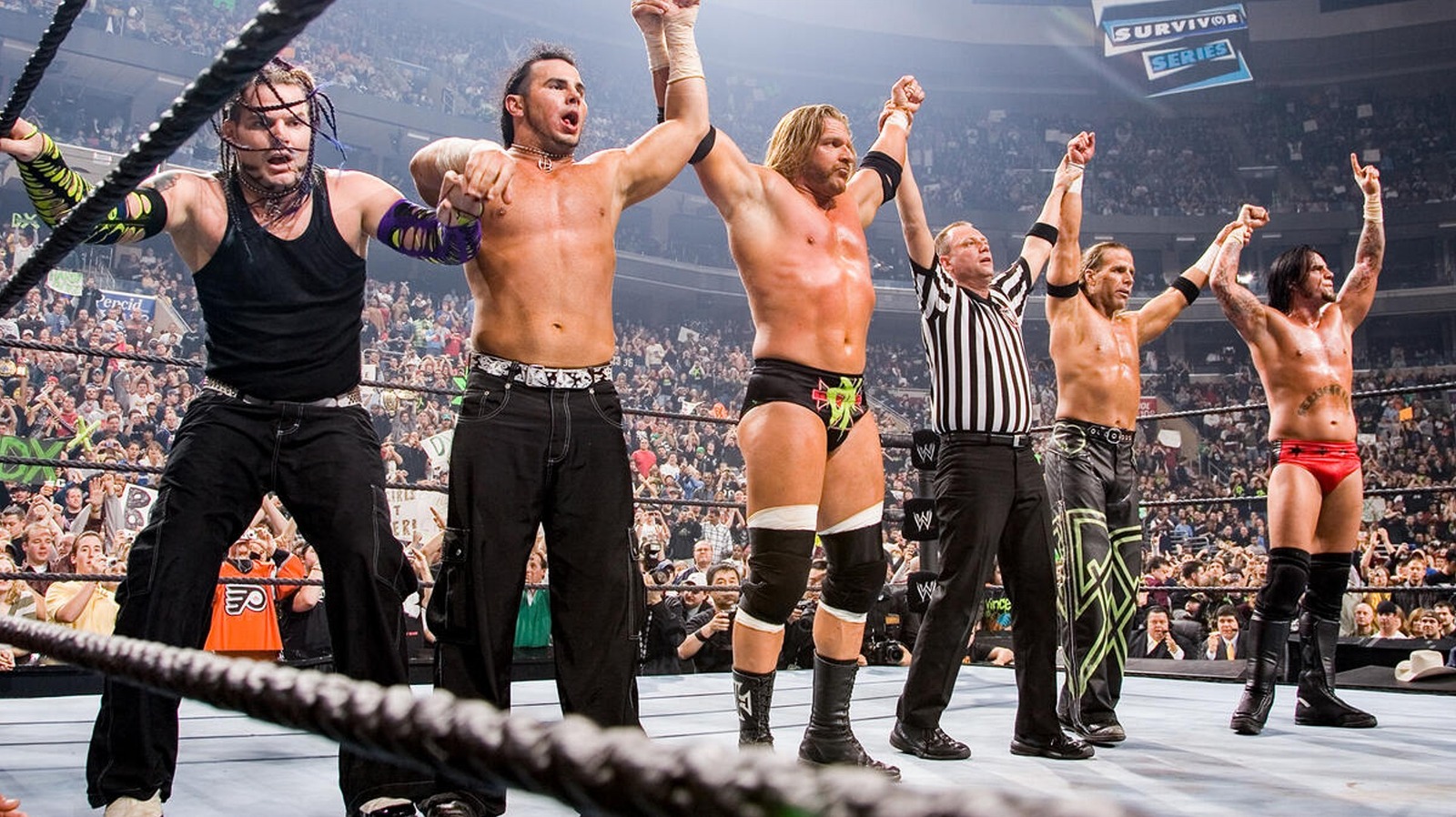
Look, I spent my morning scrolling through clips of Survivor Series 2006, and it remains one of those weird, static-filled time capsules that actually makes sense when you watch it back. CM Punk has been out there in the media streets recently pointing to this specific card as one of the peak moments of his entire run. It is easy to see why he feels that way. We are talking about a guy who was still figuring out how to translate that feverish indie energy into a television product that Stamford brass would actually tolerate.
You go back and watch that night, and you realize how different the locker room dynamic was back then. Punk was in the trenches of the modern iteration of the brand, fighting for airtime alongside guys like Shawn Michaels and Triple H who were comfortably sitting on the mountaintop. When Punk looks back at 2006, he isn't reminiscing about a clean pinfall or a title run. He is talking about the grind.
The reality of the 2006 roster scramble
Let’s be real about the environment Punk stepped into. Back then, you were lucky if you got a coherent entrance theme, let alone a spot on a major premium live event. The reports stating that Survivor Series 2006 stands as a career high for him isn't about the booking sheet. It is about proving he belonged in the same building as the guys who sold out the arenas.
The card design itself felt like a fever dream of mid-2000s wrestling philosophy. You had the desperate need to bridge the gap between the ruthless aggression era and whatever flavor of sports-entertainment was being cooked up in the back. Punk was the bridge. He was the guy they threw into the mix to see if he would sink or swim while surrounded by the established veterans of the industry.
The scars were worth the check
It is wild to think about how long the guy has been doing this. We tend to focus on the flashy pipe bombs and the modern arena gates, but that 2006 stretch was the real test of his survival skills. He took the bumps, he worked the house shows, and he made sure the crowd actually gave a damn when he stepped through the curtain.
I will say this: not every spot on that card holds up under modern scrutiny. Some of the logic in the traditional Survivor Series matches from that era would make a current creative director lose their hair. We saw some questionable pacing and finishes that felt like they were written on the back of a napkin five minutes before the bell. Yet, the work ethic holding those segments together was legitimate.
Ultimately, Punk’s assessment of his own timeline matters because it frames how he views his current position in the company. He went from fighting for scraps in 2006 to being the guy who dictates the main event schedule today. That jump covers exactly 20 years of professional wrestling history in the blink of an eye. If you want to understand the current obsession with long-form storytelling, start right there, in the chaos of a 2006 mid-card mess that somehow turned into greatness.