The El Grande Americano dilemma facing WWE
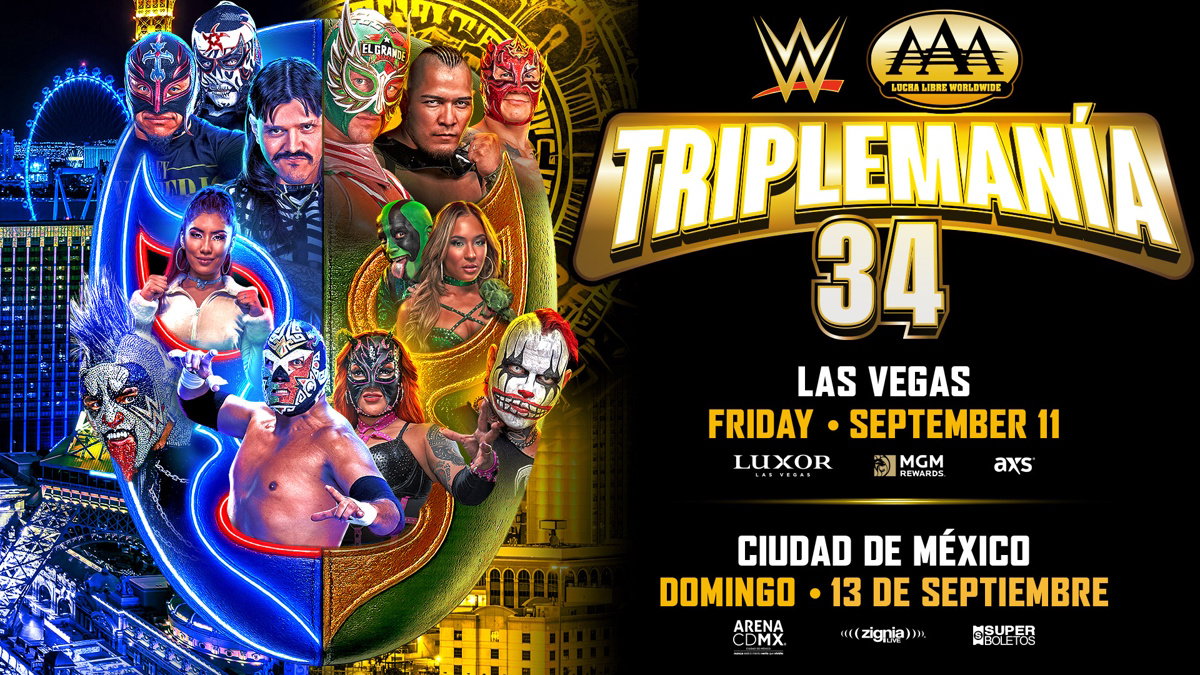
The status of El Grande Americano has become the most discussed topic in North American wrestling circles as June 2026 rolls on. With WWE holding a controlling stake in AAA, the company sits on a roster full of high-value inventory. Fans are clamoring for a jump to the WWE main roster, but internal strategy suggests the promotion has different plans.
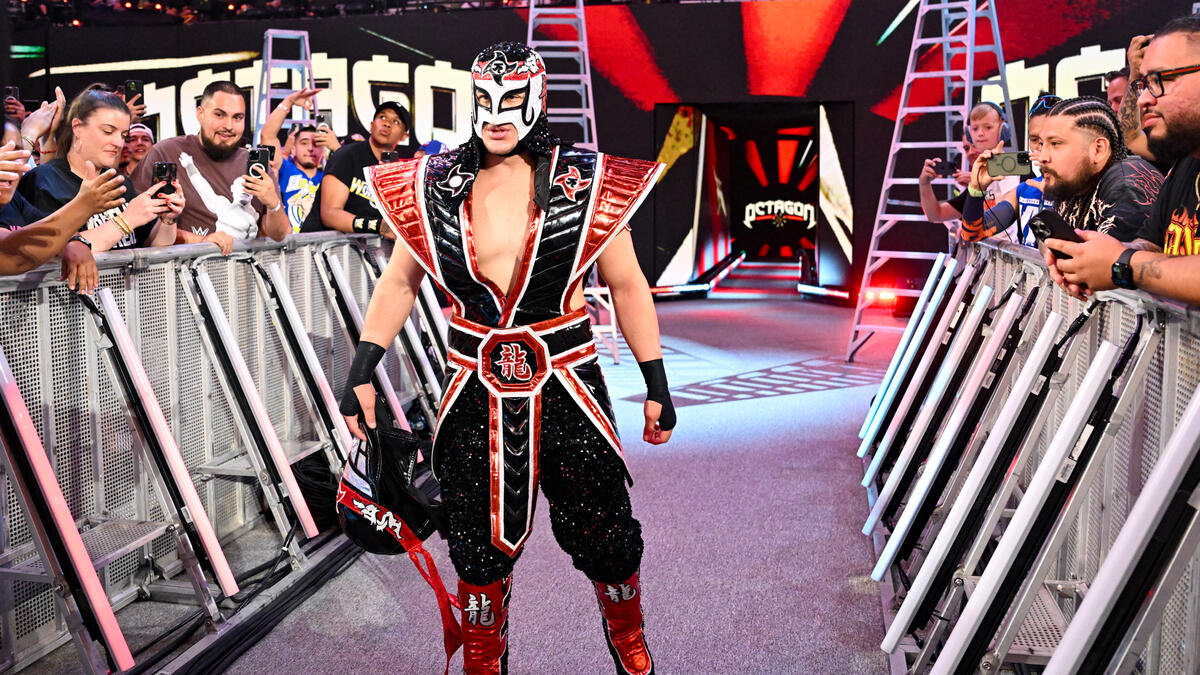
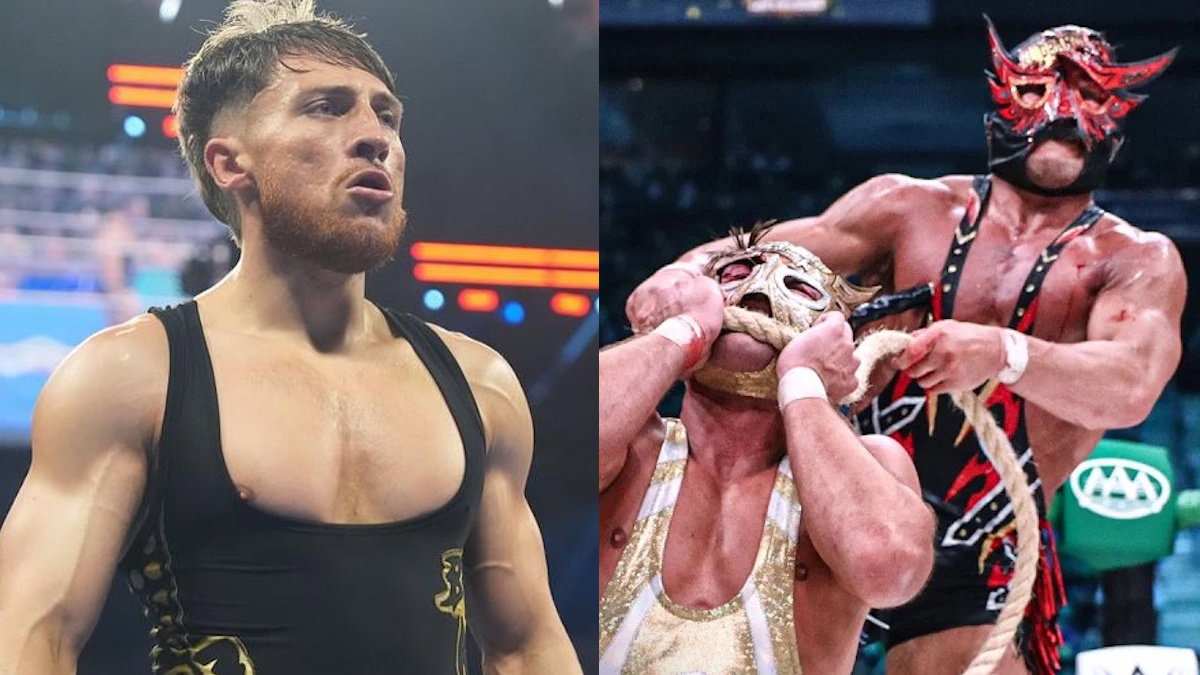
Reports suggest that El Grande Americano operates as a centerpiece for the current AAA growth strategy. According to recent industry commentary, influential voices within WWE are advocating for his retention in Mexico rather than a move to the United States. Keeping him at the top of the card in a market he has already captured is currently viewed as more profitable than burning him out on a diluted WWE main roster schedule.
The strategic pivot: Beyond Mexico
WWE's interest in AAA was never just about controlling the lucha libre landscape. Analysts have noted that the acquisition serves as a laboratory for international expansion. The goal is reportedly to export the AAA model to the United Kingdom and Japan by leveraging current WWE production knowledge and localized talent. This explains why veterans like Pete Dunne are currently serving as producers for major AAA events, including recent marquee mask matches.
The role of The Undertaker in this transition cannot be ignored. Since the takeover, the wrestling icon has transitioned into a key operational role within AAA. Sources close to the situation, including comments from Kane, suggest a level of stability in the AAA front office that had been missing for years. The objective is to use this stability to build localized stars who can then facilitate WWE's entry into foreign television broadcast markets.
Creative friction and project management
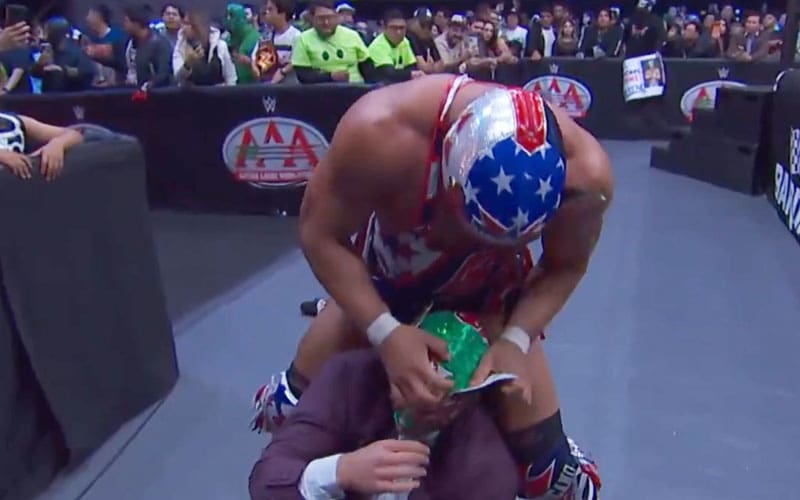
Pete Dunne has spent time behind the scenes, specifically producing high-stakes bouts like the recent El Grande Americano mask vs mask match. This signals that WWE is treating AAA as a premier training ground for both performers and staff. However, the reliance on legacy names to manage talent development is a point of contention among critics who fear the creative vision will become stagnant and predictable.
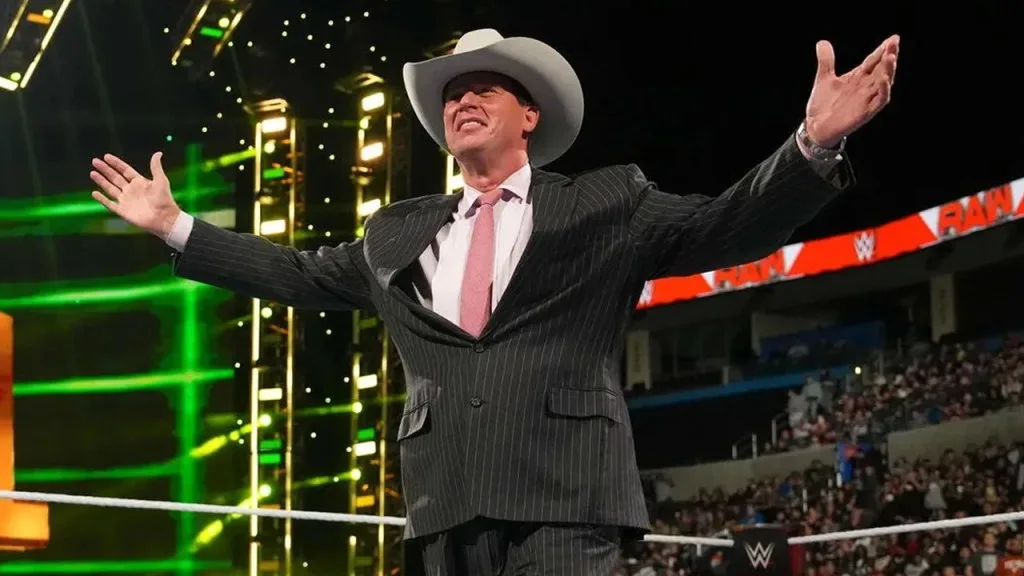
There is also the matter of the televised output. JBL has stated publicly that he prefers the current arrangement where performers thrive in the AAA environment rather than risking a lukewarm debut on SmackDown or Raw. While valid, this critique ignores the reality of WWE's long-term business goals: to create a global network of territories where talent can be swapped based on regional demand.
Why the stay makes sense for now
El Grande Americano is an attraction. His current crowd connection in Mexico is arguably the strongest of any performer managed under the WWE banner. A move to the main roster in 2026 would likely see him relegated to mid-card status during the busy summer of the FIFA World Cup, when casual viewership is distracted by the global tournament.
By keeping him in AAA, WWE ensures he remains the top-billed attraction during the lead-up to the World Cup matches. From a business intelligence standpoint, he is the anchor that guarantees AAA continues to be a viable product for future television deals in Japan and the UK. Moving him now would risk destabilizing the primary asset of a company that WWE spent significant capital to acquire only months ago.
Probability and outlook
History shows that WWE rarely leaves money on the table. If a market in Japan or the UK shows proof of concept, expect El Grande Americano to be the face of those shows. But for a permanent move to the US roster? The probability is currently low, likely under 25% for the remainder of this calendar year.
We are looking at a scenario where he stays in AAA for at least another 12-18 months. If he continues to drive ticket sales and merchandise within Mexico, local management will fight to keep him there. WWE leadership appears happy to let that play out as long as the international streaming numbers stay consistent. Any sudden promotion would be a reactionary move to a drop in those numbers or a major injury elsewhere on the roster.
Expected impact of the status quo
If the plan holds, fans in the US will remain frustrated by the inability to see top-tier AAA talent on prime-time cable. Yet, for the performers, this is likely the better outcome. They get to be the primary focus in a major promotion instead of playing second fiddle to established household names.
Ultimately, this is a calculated test for the WWE's new international strategy. If they can turn a foreign territory into a profit machine without cannibalizing their main roster, expect more acquisitions. For now, El Grande Americano is the guinea pig in an experiment that prioritizes regional dominance over global homogenization.