The road to Italy is paved with chronic fatigue
WWE is heading to Bologna for Clash in Italy, but the roster is walking on thinning ice. The schedule has shifted into a high-intensity gear since early May, and the impact on the bodies of top stars is showing. We are seeing a string of nagging soft-tissue injuries that stem directly from the travel rotation.
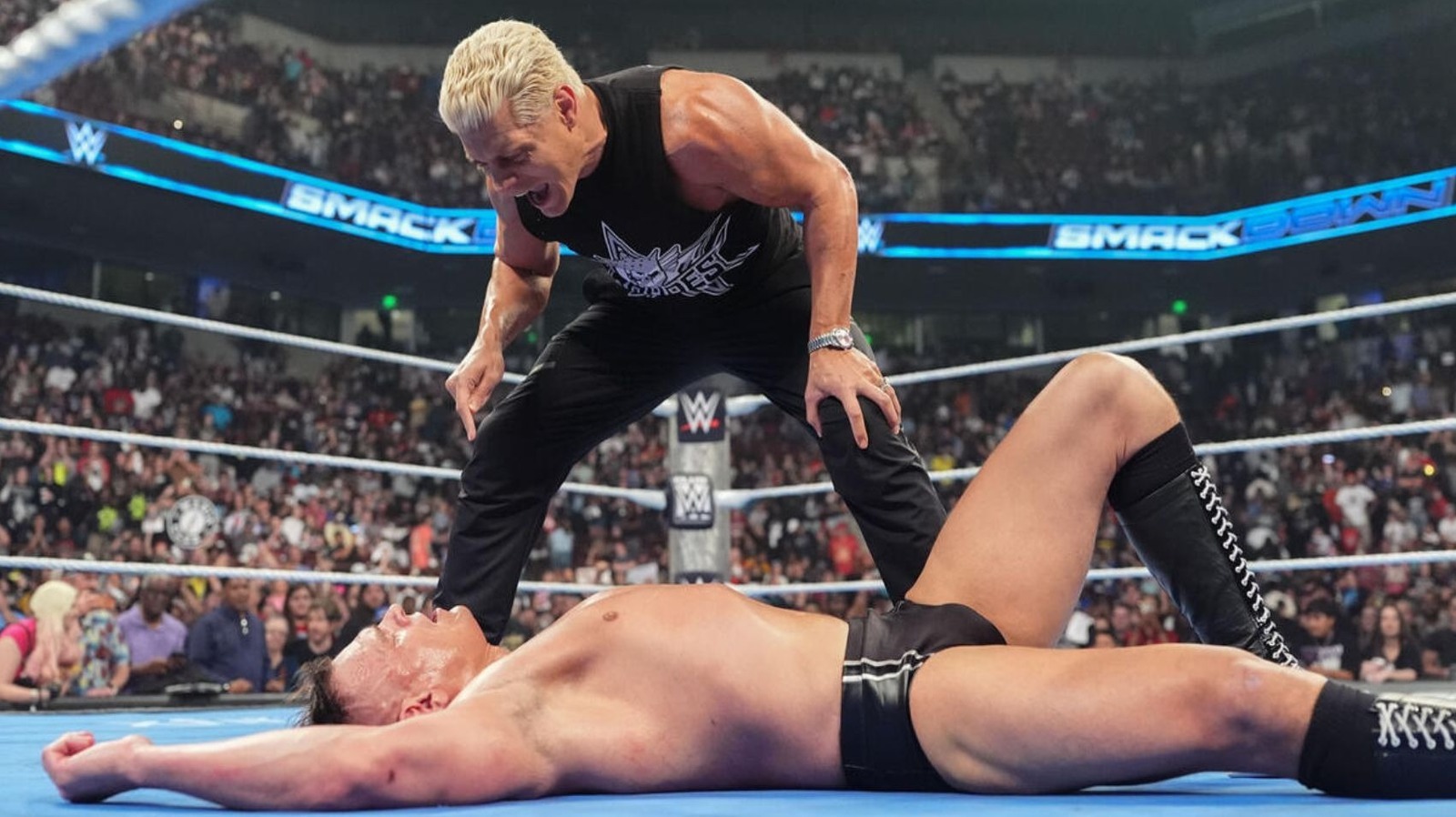
Cody Rhodes recently commented on the upcoming PLE, specifically focusing on the atmospheric shift expected when facing GUNTHER in front of a European crowd. While the narrative focus is on the hometown advantage, the medical reality is different. The travel load required to shuttle talent between North American tapings and European house-show loops is taxing the recovery windows of the main event tier.
The medical tax of international touring
The current recovery protocols rely on state-of-the-art facilities in Pittsburgh and Orlando, but those are inaccessible during the mid-week European runs. When a wrestler tweaks a hamstring or experiences knee inflammation during a three-day, three-city tour, the immediate treatment is limited to cold tubs and trainers working in hotel gyms.
This is a tactical oversight by management. As WrestleTalk reported this week, Rhodes is already fielding questions about the environment for his match with GUNTHER. He is clearly focused on the crowd noise, yet the real threat isn't the hostile chants. It is the high-velocity, high-impact style both men work, compounded by a lack of proper rehabilitative down-time.
Predictable wear and tear
History shows this isn't an anomaly. The 2024 European tour saw a marked increase in mid-card performers dropping out due to lower-back issues caused by excessive flight time and lack of horizontal rest. The company is currently rotating talent via red-eye flights that compromise inflammation response times.
The strategic implication is clear. By prioritizing the expansion into international markets like Italy, WWE risks sidelining headliners before the biggest cards of the summer. The decision-makers are banking on brand growth, but if the primary assets aren't functional, the ticket sales for the ensuing domestic shows will suffer.
The specific risk for a talent like GUNTHER involves the hip and lower lumbar region. He utilizes a power-based chest-chop and vertical suplex game that requires total kinetic chain integrity. Repetitive trauma to the lower back during long-haul travel, combined with matches that average 18 minutes of mat-based struggle, is a recipe for a disc-related flare-up.
The booking blind spot
The booking team needs to enforce a more rigorous medical hold for performers showing symptoms of lumbar stiffness. Trying to force a technical masterclass out of damaged performers during a foreign tour is risky business. It creates a ceiling on the match quality and increases the probability of a mid-match injury occurrence.
If a star goes down in Bologna, the card construction for the summer months will require an aggressive pivot. The reliance on marquee names for these international stops creates a fragile top-heavy hierarchy. When one pillar cracks due to exhaustion, the entire weight of the ticket promotion collapses.
Management has been vocal about the demand for these overseas gates, but they are treating human recovery as a fungible variable. It is a calculation error. Unless they lengthen the recovery periods between international flights, the injury rate will continue to climb throughout the summer months.