Ospreay’s shifting focus
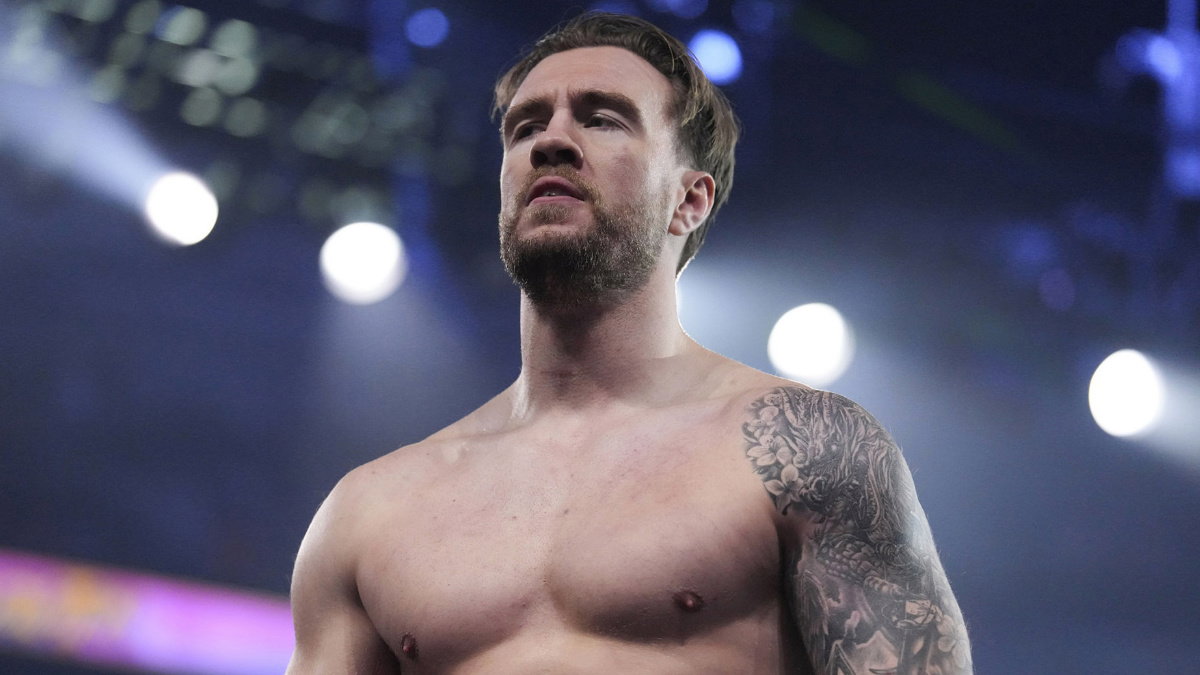
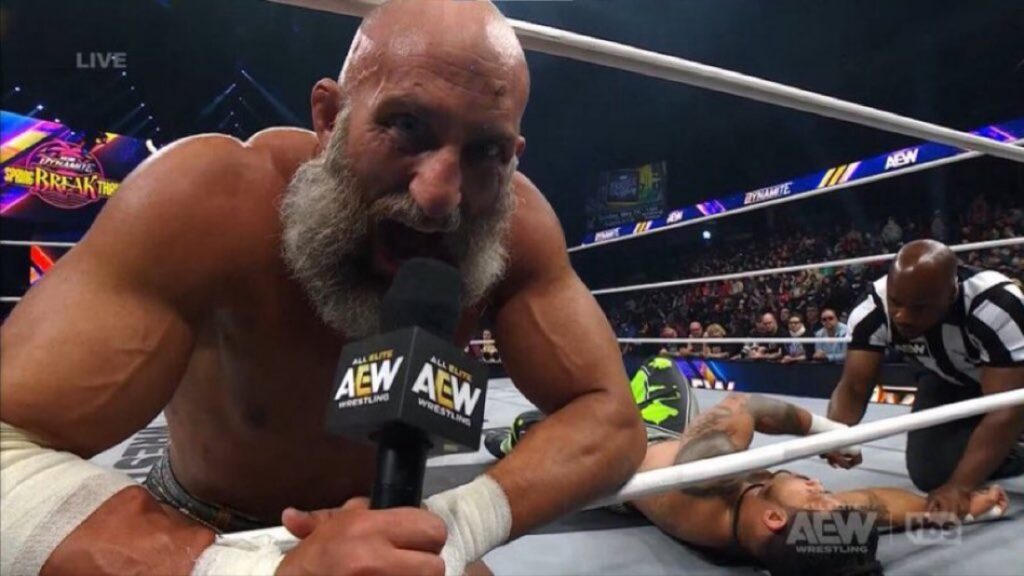
Will Ospreay finds himself at a career junction as AEW prepares for the upcoming Redemption event. The promotion has confirmed his involvement in a tag team contest, a booking decision that deviates from his usual pursuit of singles gold. This marks a pivot toward collaborative storytelling rather than his typical aerial-heavy solo runs.
Observers suggest this booking serves as a bridge for his creative arc. While Ospreay remains a primary draw for AEW, his current trajectory lacks the momentum of his previous championship reigns. Wrestling fans expect high-wire clinics, but tag team bouts often prioritize traditional structure over individual spectacle.
The creative bottleneck
Tag team wrestling in AEW often functions as a holding pattern for top-tier workers. By moving Ospreay into this slot, leadership avoids immediate losses for their premier singles competitor. Still, this strategy risks cooling off a performer whose recent match quality remains elite yet lacks the necessary stakes for a main-event level star.
Critical reception surrounding this call focuses on the dilution of Ospreay's personal brand. He excels in fast-paced encounters that demand isolation. Inserting him into a multi-man dynamic limits those specific opportunities to showcase his agility and technical precision.
Promotion-wide context
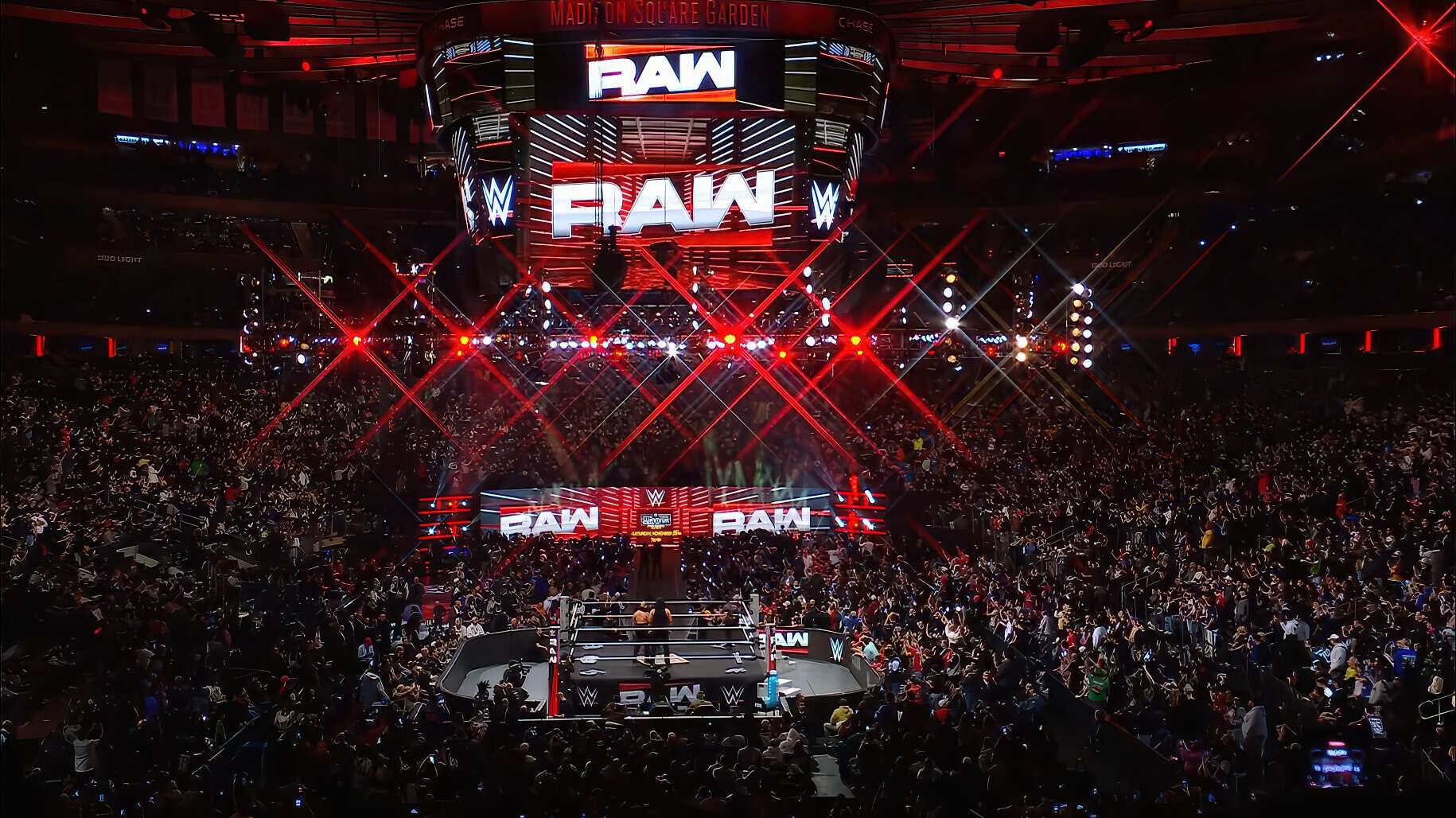
The wider industry is struggling with similar pacing issues this summer. WWE RAW is seeing lower ticket demand compared to earlier strong quarters, mirroring a cooling interest in standard television programming. WWE is currently leaning heavily on established names and long-term rivalries to bridge the gap.
As noted on WrestlingNews.co, talent usage remains under intense scrutiny. While the competition shifts toward familiar faces like Seth Rollins and LA Knight, AEW’s decision to pair Ospreay with a partner creates a lack of clarity regarding his post-redemption path. The absence of a clear championship program for a star of his magnitude is a notable oversight.
Probability and outlook
The probability of this Ospreay transition turning into a long-term tag team run remains low, assessed at 20%. The promotion likely intends for this to be a stopgap measure. Expect him to return to a singles spotlight by the next major quarterly cycle.
Failure to capitalize on his momentum could force a reset behind the scenes. Ospreay’s contract and global stature grant him significantly more autonomy than the average performer. If the creative direction does not align with his strengths, look for a friction-heavy negotiation period heading into 2027.
The impact of this decision rests on the match quality at Redemption. If he and his partner fail to deliver a headline-grabbing performance on July 20, 2026, management may face legitimate questions from their fanbase regarding his utilization. A failure here is not merely a booking error; it is a tactical blunder in the eyes of his core demographic.
The standard for Ospreay is set at 30 minutes of high-intensity wrestling. Anything less will be viewed as a negative outcome by fans who track his career stats. His ability to elevate his partner will serve as the litmus test for his leadership, a trait he has yet to be fully tested on in this specific capacity.
Ultimately, the promotion is gambling on brand loyalty over pure narrative excitement. Whether this pays off depends on the mid-card talent receiving a boost from riding his coattails during this broadcast shift. With ticket numbers stalling industry-wide, every major talent move matters now more than at any point in the last two years.