The post-WrestleMania slump is real
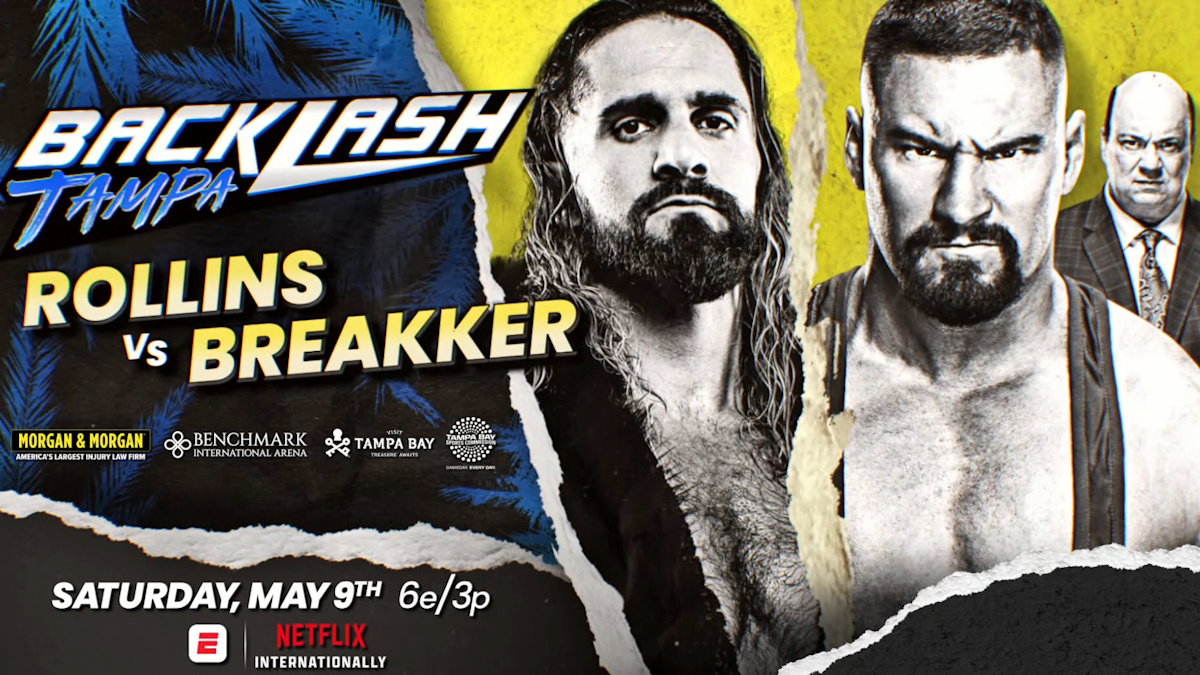
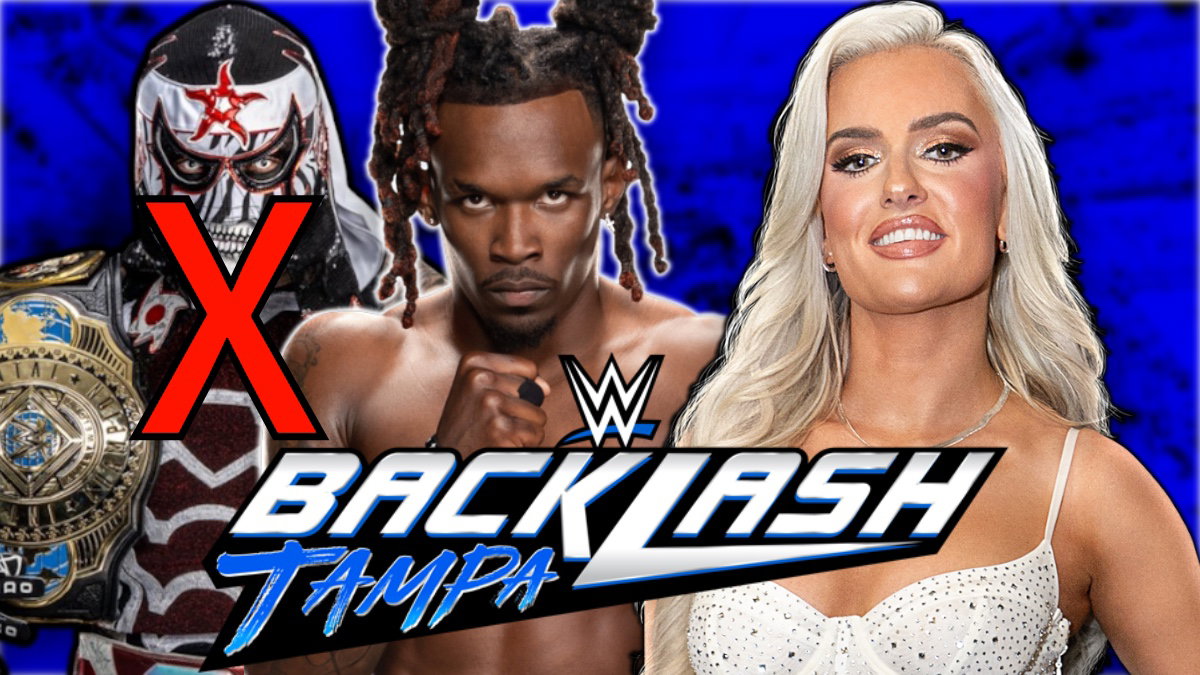
We are sitting here on April 5, 2026, roughly five weeks out from Backlash in Lyon. Everyone is breathless about the card, but let's be real: back-to-back stadium shows after WrestleMania 41 feel like a treadmill that nobody asked to run on. The WWE creative team is currently juggling the hangover of the biggest two nights of the year while trying to keep the momentum from hitting a brick wall.
History tells us that shows immediately following the Showcase of the Immortals are often glorified house shows with mid-card filler. If you look at the trajectory post-WrestleMania 39, the booking tends to lose its teeth as the focus shifts to internal company restructuring. Why are we pushing a major premium live event into the schedule so aggressively?
The Cody Rhodes championship shelf life
The biggest question marks surround the main event scene. Whether Cody Rhodes is still holding the belt or a new heel has risen from the ashes after night two in Vegas, the title picture feels stale. We need a challenger who doesn't come with the luggage of a decade-long feud or the stench of a generic corporate push.
If we get another predictable interference finish where a referee takes a bump at the 18-minute mark, I am turning off the stream. We had enough of the shenanigans during the Bloodline era. Fans want to see technical progression, maybe a 20-minute clinic where the outcome isn't telegraphed by a run-in from a faction that has already outstayed its welcome.
Mid-card chaos and the tag team void
The tag team division is effectively on life support. Unless we see a legitimate influx of talent from the secondary brands, we are stuck with the same three teams rotating the gold. I still remember the days of the tag team resurgence, but currently, it looks like a lack of vision from the front office.
We need a breakout performance from a team that actually has chemistry. Too many times, we see two singles wrestlers thrown together with unique tron videos and generic rock themes. It lacks the soul of teams like the Hart Foundation or even the mid-2000s era tag scene where teams competed for the sake of the craft.
The women's division needs more than just stars
Rhea Ripley and Bianca Belair are carrying the division on their backs. If you look at the roster, there is a massive drop-off once you move past the top three names. Booking a title match that actually feels like a co-main event—rather than a bathroom break—requires depth, not just a viral social media clip of a powerbomb.
Maybe we see a surprise return or a call-up that shakes the foundation. A veteran coming back to put over a younger talent in a clean pin at the 12-minute mark would be refreshing. Instead, the booking team seems terrified of having anyone lose a clean match, which leads to the dreaded count-out finish.
Why this event matters for the rest of 2026
The reason Backlash 2026 matters is that it dictates the summer trajectory. If we are still recycling the same matches from mid-2025, the audience will tune out before the world cup kicks off in June. Professional wrestling is at its best when it feels dangerous and unpredictable.
Currently, the WWE product is essentially a high-budget soap opera that has forgotten how to be a combat sport. Stop with the 10-minute promo segments to open the show. Just ring the bell and let the athletes work. If I wanted scripted drama over actual graps, I would go watch a reality show on cable.
Final thoughts on the road to Lyon
We need to see a shift toward longer, purposeful matches rather than the sprint-style clusterfucks that have defined the recent PLE cycle. The pacing of a 60-minute iron man match is lost on a modern audience, but surely we can aim for a sub-20 minute match with a coherent narrative. If the product remains stagnant, the brand loyalty won’t hold up when the novelty of the post-WrestleMania buzz fades.
Expect Triple H to rely on nostalgia again because it is the safe play. It is not the bold play. I am looking for a star-making night where a mid-card babyface finally gets the clean pin in the center of the ring. If that doesn't happen, we are just waiting for the next cycle of corporate-mandated storytelling to run its course.