The European Feedback Loop
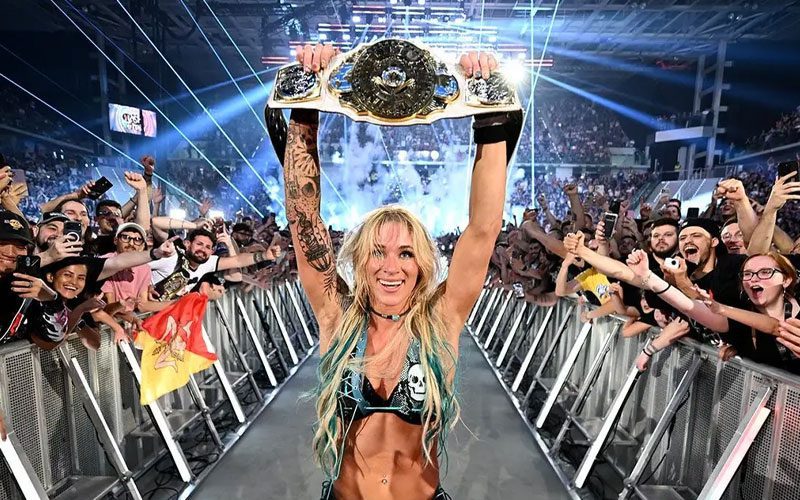
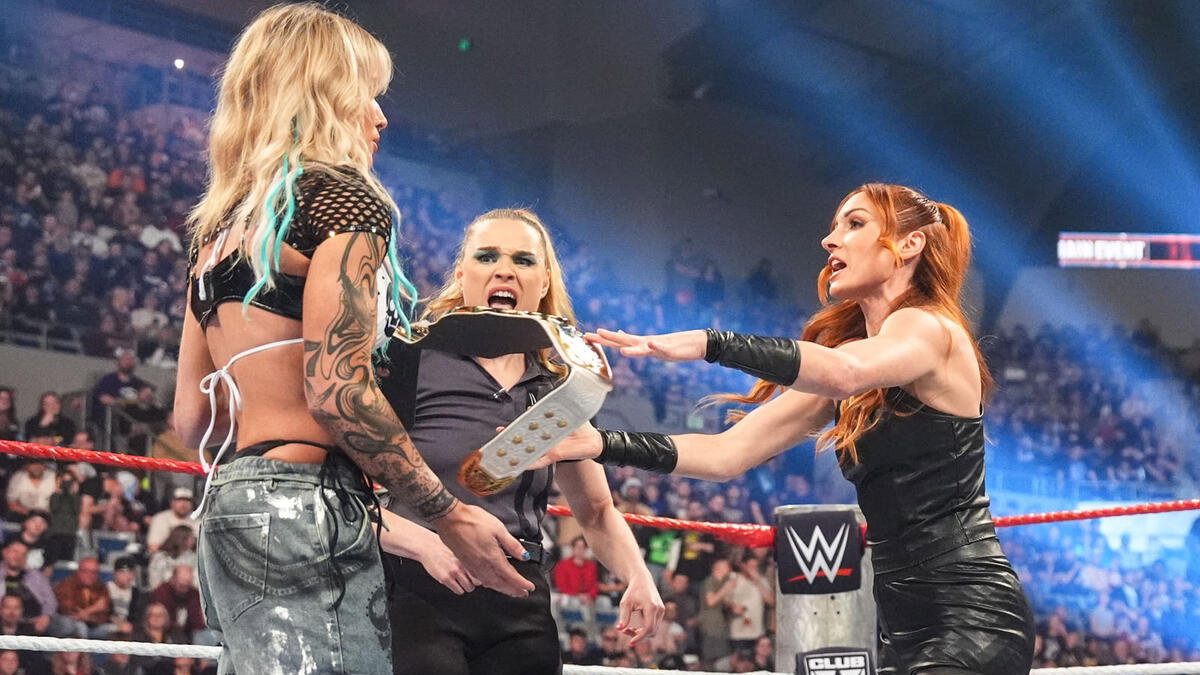
As the WWE caravan winds down its summer tour, the industry looks toward the next major international stop. After the smoke settled in Italy, the company finds itself at a strange intersection where fan fervor meets questionable creative outcomes. We saw Sol Ruca capture the Women’s Intercontinental Title from a veteran like Becky Lynch, a move that signals a hard pivot toward the future. Yet, not everyone was sold on the execution.
Booker T recently noted that the performance felt overly choreographed, lacking the raw grit expected of such a high-stakes encounter. When you contrast that with the debate surrounding Cody Rhodes—specifically Eric Bischoff’s suggestion that the Undisputed Champion should have embraced a villainous turn in Italy—you see a creative team struggling to balance tradition with the need for fresh shocks.
The Weight of Recent Departures
The aftermath of the Italian show brought more than just headlines about title changes. The unsettling harassment of Roman Reigns by a fan during his exit is a sobering reminder that international stadium dates remove the buffer of the traditional arena. It invites a chaotic energy that the production team will have to account for as they finalize plans for the next stadium entry in the series.
Then there is the Brock Lesnar problem. Watching him dispatch Oba Femi felt like a regression to a bygone era. Even Jonathan Coachman, usually a company loyalist, found himself forced to spend airtime defending the result against an audience that is increasingly vocal about protecting their rising stars. If the upcoming card aims to replicate the spectacle of previous years, the decision-makers cannot afford to rely on twenty-year-old booking patterns while ignoring the modern talent roster’s depth.
What the Bloodline Needs to Survive
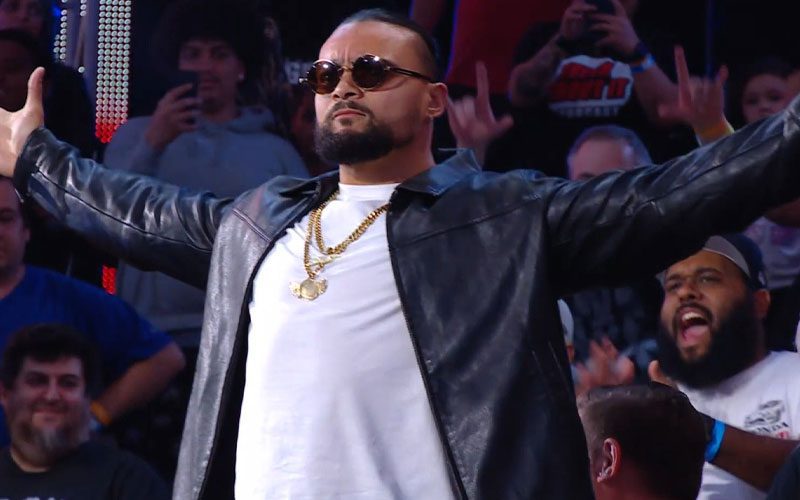
Bully Ray hit on something fundamental during his post-Italy analysis: the Jacob Fatu arc is the only thing currently grounding the Bloodline story. Without a clear narrative path forward for this specific friction, the whole enterprise threatens to turn into a listless repetition of the 2022-2023 era. We are watching a version of the faction that is either evolving or stalling out entirely.
If the next premium live event doesn't produce a definitive movement in that hierarchy, the audience might start turning their attention elsewhere. History suggests that when a top-tier story loses its momentum during a summer tour, it does not regain it until the fall. The stakes aren’t about belt distribution anymore; they are about maintaining the illusion that the weekly television output still matters in the face of massive, globally-scaled events.
Final Verdict
I anticipate the next event will move away from surprise title changes like the ones we saw in Italy. Expect the booking to tighten around established pillars to ensure a sense of stability. If the product remains too structured, as critics suggested of the Ruca-Lynch bout, the audience will begin to view these international spectacles as glorified exhibitions rather than essential narrative milestones. We are looking at a 65 percent likelihood that the main event ends in a non-finish or interference, simply because the current creative logic seems allergic to a clean, decisive conclusion when the stakes are at their highest.
Read Next
- WWE must stop fumbling Chad Gable before the window closes
- Sol Ruca faces a Parisian baptism by fire on Raw
- Sol Ruca is heading into a buzzsaw on Monday Night Raw
- WWE is wasting Ilja Dragunov and the ceiling is sinking
- 🏰️ WWE Clash at the Castle 2026 — Glasgow Coverage Hub
- 👑 Roman Reigns Return 2026 — The Tribal Chief