ESPN secures opening hour rights for WWE's Italian invasion
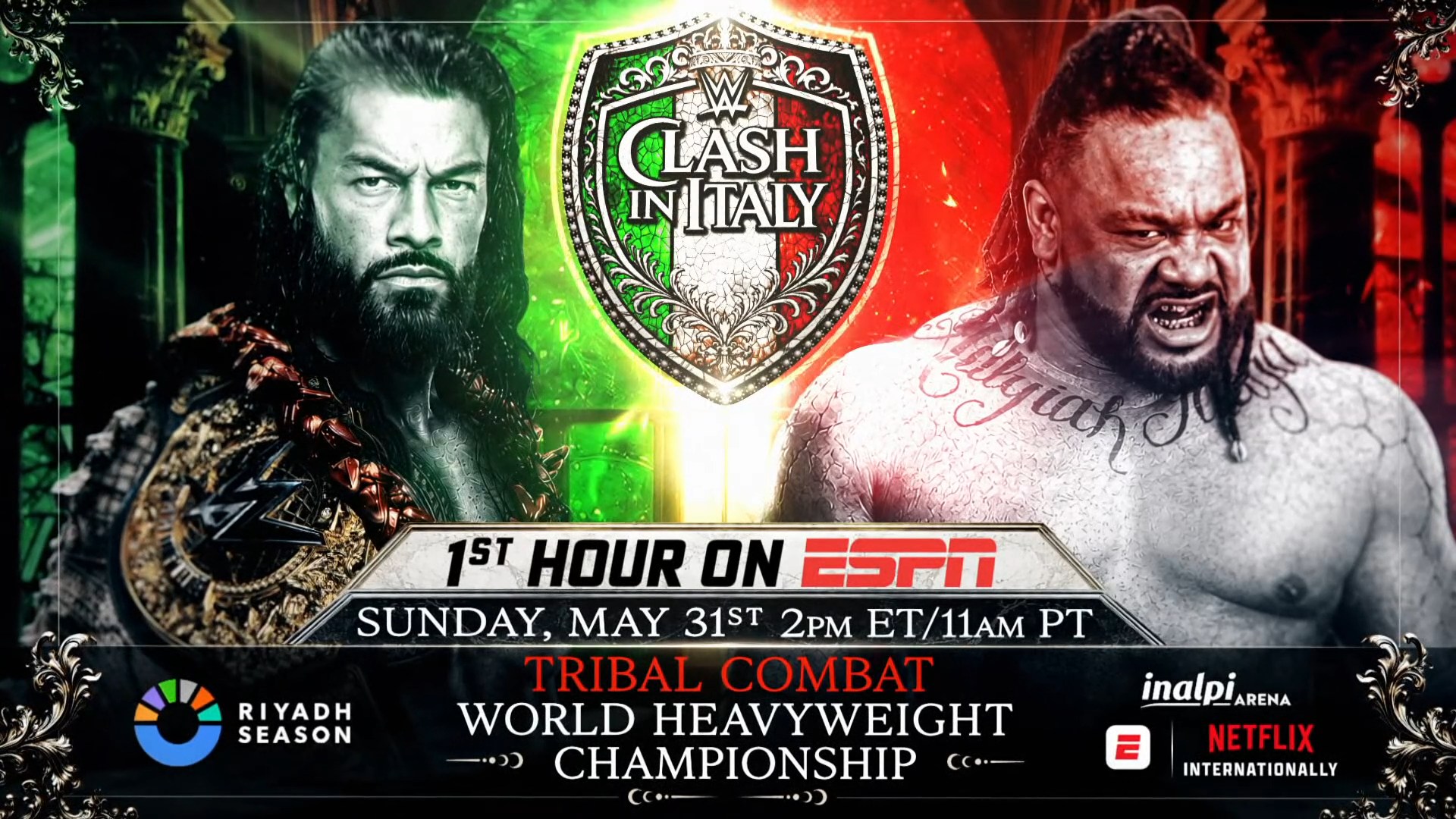
WWE is pushing further into the mainstream sports broadcast space as the first hour of the upcoming Clash in Italy event is scheduled to air on ESPN. This development marks a significant shift in how international premium live events are packaged for domestic audiences. While digital distribution via the WWE Network and Peacock remains the primary vehicle for full events, carving out sixty minutes for linear television creates a funnel for casual viewers who might otherwise ignore a mid-cycle international card.
Network executives are betting on the curiosity factor of a foreign crowd to keep those viewers locked in for the duration. The move follows similar strategies deployed by combat sports organizations looking to bleed overflow audiences into their subscription services. By securing time on a major sports network, WWE effectively uses the event as a massive on-air advertisement for their proprietary streaming platforms.
The championship stakes for Clash in Italy
Accompanying the broadcast news is the confirmation of a massive title match. WWE has officially slotted a high-stakes Women's Championship contest onto the card. The inclusion of championship hardware is designed to ensure the event isn't merely treated as a house show or a glorified exhibition for international fans. It keeps the storyline momentum consistent with the flagship programming in the United States.
These officially confirmed matches suggest that the creative team is prioritizing international engagement as a key component of their annual calendar. Fans have grown accustomed to seeing top-tier talent in these markets, shifting expectations for quality far beyond the standard touring roster. The booking also suggests that the promotion is comfortable moving high-stakes narratives across timelines and borders without losing mainstream interest.
Strategic implications for the WWE international strategy
This broadcast partnership is not happening in a vacuum. WWE has been actively attempting to capture the energy of their overseas crowds to sell tickets in domestic arenas. By putting the opener on ESPN, they are essentially banking on the atmosphere of an Italian arena to contrast heavily with standard Monday or Friday night production styles. If this plays out well, expect more regional events to follow this same broadcast template throughout the second half of the year.
However, critics might point to the potential for technical fatigue. Forcing a premium event into a linear television window often requires specific pacing adjustments that can dilute the match quality for those watching from start to finish. The challenge for the production team is to maintain the intensity of a major title match while ensuring the television hour has enough hook to keep the viewer watching after the first sixty minutes expires.
The business case is clear enough. By leveraging ESPN, WWE is reaching a demographics-heavy audience ahead of the summer sports rush. With the newly announced title bout, the stakes are elevated to a level that demands attention from even the most cynical wrestling purist. The company expects these metrics to prove that domestic interest in European-based cards has reached a point where it can command premium time slots.
Historical context and the European market
Historically, European tours were considered strictly for the local base, often serving as secondary experiences that rarely influenced the main roster booking. That has changed completely in the last twenty-four months. WWE now views these territories as essential profit centers rather than just touring stops to keep talent busy. The transition from house show status to broadcasted events represents a maturation of the business model.
Previous experiments with international events often suffered from lackluster card depth. This time, the commitment to featuring championship gold indicates that WWE recognizes the importance of maintaining continuity. If the main belt is at stake, the audience in the US is forced to keep up with the results to see if the status quo holds heading into the next US-based television tapings. It prevents a 'cold' period for the product and keeps the social media conversation alive during the weekend.
We are watching a shift in how these events are perceived by the internal corporate structure. Keeping them relevant to the core, US-based narrative is the only way to satisfy the sponsors who want consistent eyeballs on the screen regardless of the time zone. With a broadcast window on ESPN locked in, the pressure is on the performers to deliver a product that convinces the average sports fan, not just the wrestling diehard, to keep watching once the network cut takes place.
Analytical breakdown of the broadcast shift
- The one-hour ESPN window prioritizes high-energy, fast-paced match segments to capture maximum retention.
- Championship stakes ensure that the event maintains its relevance to the core WWE continuity.
- International events are now being developed as integral chapters of the annual storyline cycle rather than self-contained side stories.
- Placement on a major sports network demonstrates an aggressive push to compete with standard summer sports programming.
The success of this strategy will be measured by how many viewers end up migrating directly to the proprietary app once their hour ends on the big screen. If the transition is smooth, the template is set for the remainder of the 2026 calendar. If not, management may find it difficult to justify the logistical cost of scaling up these international productions into broadcast events going forward. The first hour is everything.