WWE is gambling on star power at Allegiant Stadium
The Allegiant Stadium pressure cooker
Tomorrow morning, Allegiant Stadium will be the focal point of the professional wrestling world. As we sit here on April 18, 2026, the promotional machine is firing at maximum capacity for WrestleMania 41. The venue itself acts as a massive physical barrier to intimacy, a cavernous space that requires a specific kind of booking to ensure the audience in the nosebleeds feels connected to the action in the ring.
WWE is currently pushing hard on the narrative of celebrity involvement to bridge that gap. The recent industry chatter regarding future high-profile guests has served as a distraction from the fundamental problem: sustaining momentum across a long-term booking cycle. When the final bell rings on Night 2, the company needs a clean, definitive conclusion to anchor the next six months of television.
The booking dilemma
The reliance on short-term celebrity sparks often masks deeper structural issues in the mid-card. We have seen Paul Heyman discuss how planning shifts frequently behind the scenes, often abandoning long-form storylines in favor of last-minute pivots. Such volatility breeds inconsistency for the audience. A main event is only as strong as the preceding three-hour build, and burning through major marquee matches simply because the venue is large is a flawed fiscal strategy.
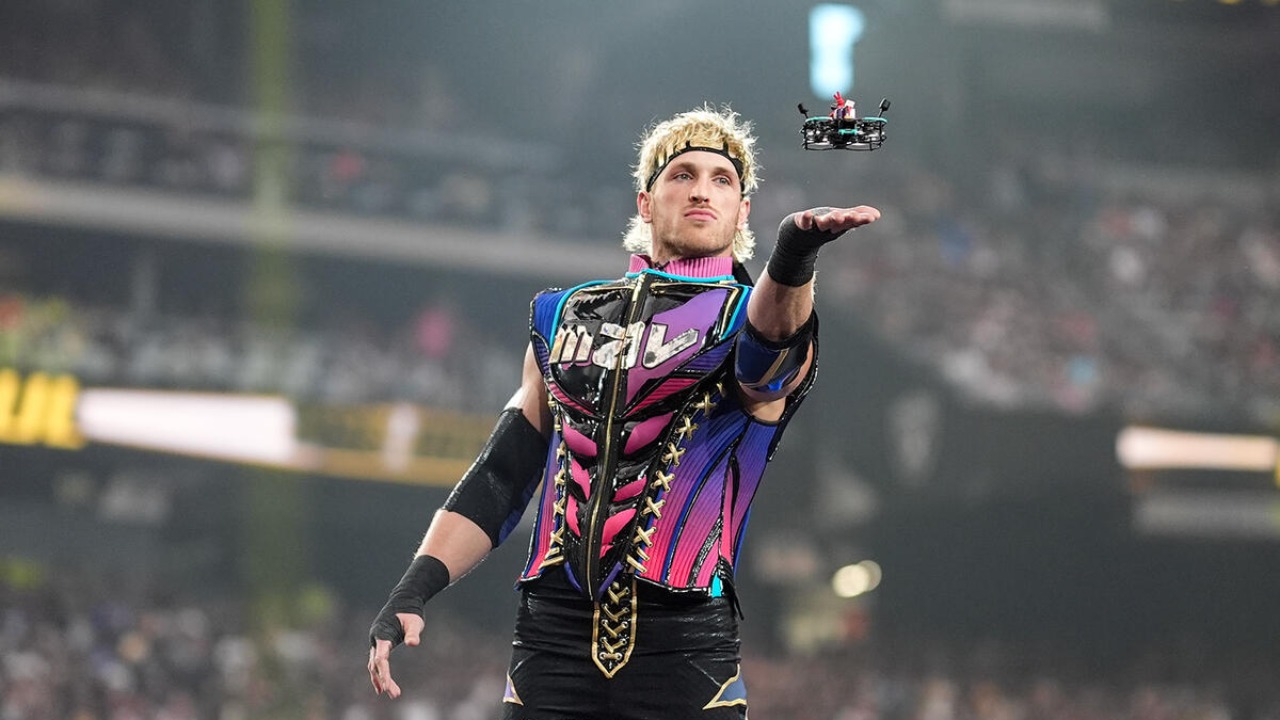
There is also the matter of the internet-age trash talk that defines current promotional tactics. When Logan Paul labels prominent figures like Tom Brady as "washed up" in the public eye, it generates headlines for a singular news cycle. However, these soundbites provide zero tactical depth for the actual matches taking place this weekend. The audience is savvy enough to see through the noise when the internal logic of the feud is paper-thin.
Missing the technical baseline
Despite the spectacle, the technical execution remains the primary concern for the product. If the opening matches of Night 1 lack a coherent pacing progression—if they fail to build towards a 30-minute main event with high-stakes near-falls—the spectacle of Allegiant Stadium will only highlight the emptiness of the card. A giant stage is useless if the underlying psychology is absent.
WWE's business plan for the 2026 season requires more than just celebrity cameos to sell subscriptions. They need a 90 percent retention rate of casual observers who tune in specifically for this weekend. If the matches do not deliver, the risk of a post-Mania viewership dip becomes a statistical reality. The upcoming booking schedule, including Backlash on May 9, will be the true indicator of whether this star-power strategy has any long-term utility.
Read Next
- Jade Cargill wants Paul Heyman and the timing might actually be perfect
- Paul Heyman just gave Jade Cargill the ultimate backhanded compliment
- WrestleMania 41 is basically the Super Bowl of chaotic energy
- WrestleMania 41 puts WWE's mid-card strategy under the microscope
- 🏆 WrestleMania 41 — Full Coverage Hub
WWE Men's John Cena Farewell Tour T-Shirt
Celebrate the legendary career of the GOAT during his final historic run.
More Coverage
Top 10: Defining Wrestling Moments of the Modern Era
4 minutes ago
Solo Sikoa is pushing the Bloodline into a corner at SummerSlam
4 minutes agoGear, Grinds, and Grappling: A Wrestler’s Guide to Recent Pickups
an hour ago
Top 10 Money in the Bank Moments in WWE History
an hour ago
Cody Rhodes, Gunther, and the weird reality of current WWE crowds
an hour ago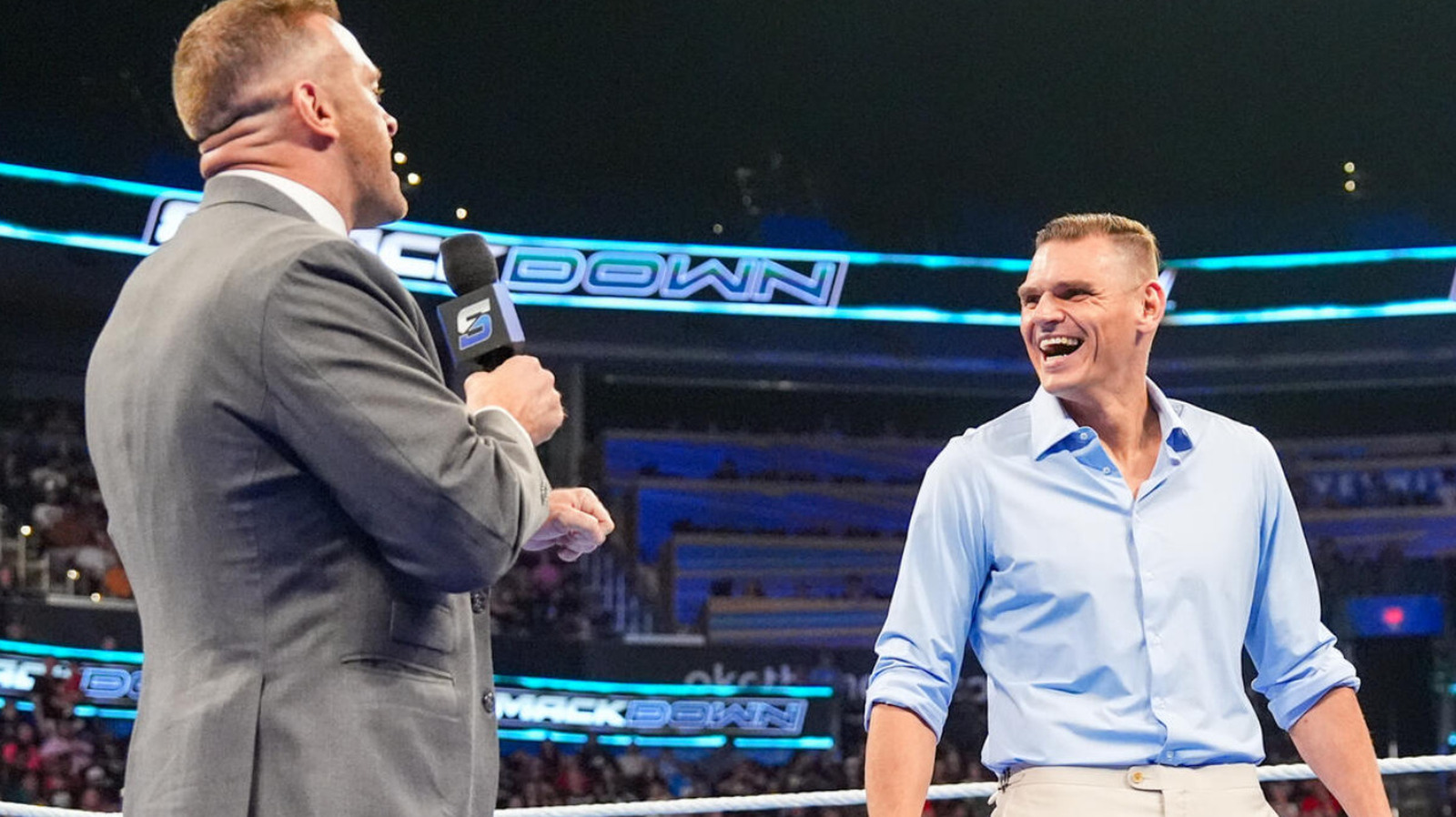
Nick Aldis is finally stepping back in the ring — but for how long?
an hour agoMore Analysis
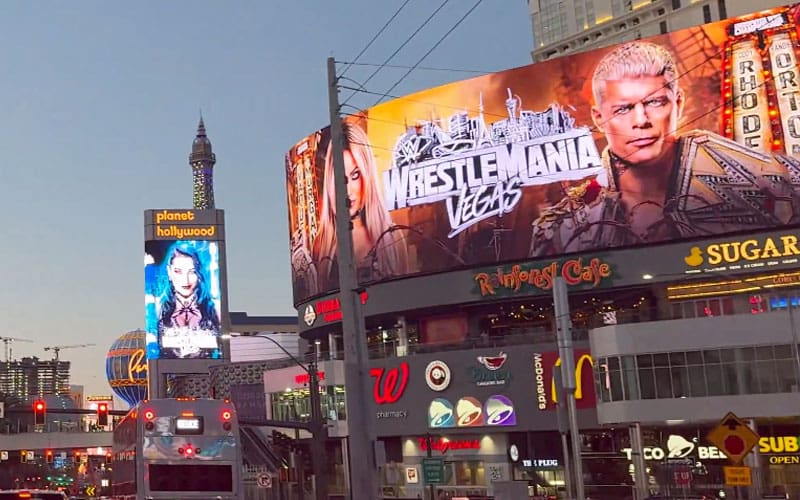
WWE prepares for WrestleMania 41 in Las Vegas
3 months, 2 weeks ago
WrestleMania 41 heads to Allegiant Stadium with too many loose threads
3 months, 2 weeks ago
WrestleMania 41 is a high-stakes gamble for WWE's creative vision
3 months agoBooking the WrestleMania 41 main event mess
3 months, 3 weeks ago
WrestleMania 41 puts WWE's mid-card strategy under the microscope
3 months ago