WWE is sacrificing the NXT brand for a main roster patchwork
The revolving door of developmental
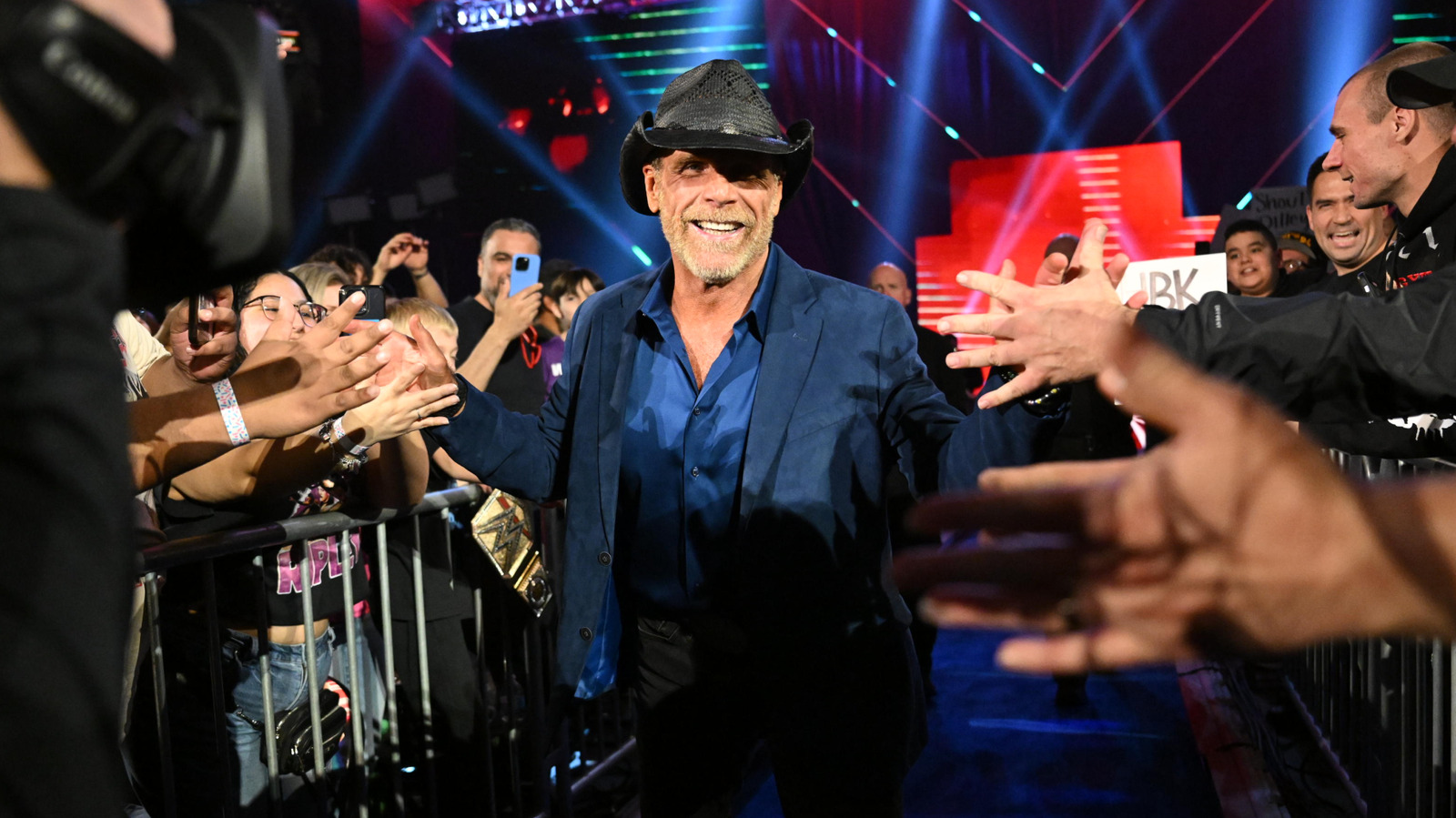
The latest report that additional NXT stars are headed to the main roster this summer feels less like a promotion and more like a strip-mining operation. We are witnessing a cycle where the developmental brand is gutted every six months to plug holes on Raw and SmackDown. Bully Ray might claim on his podcast that the NXT transition process is working, but the math suggests otherwise.
When you constantly rotate your top tier, you shatter any chance for a talent to anchor a brand. How can a product build a genuine identity when the primary objective is to get the roster offloaded as fast as possible? It treats the audience like spectators at a revolving showroom rather than fans of a coherent, long-term story.
The main roster synergy trap
The current scheduling strategy reveals a desperate lack of faith in the existing main roster depth. We are seeing main roster stars head down to NXT for house shows and televised dates, and for what? It feels disjointed. Instead of letting the younger talent grow under the pressures of the NXT format, the company is injecting established commodities to boost ratings in the short term.
This is a tactical error. If your developmental brand requires established household names to maintain interest, the developmental process has failed. The talent pipeline is no longer about building future stars; it is about filling time slots for cable television contracts. It is a cynical loop that ignores the need for foundational character growth.
The shadow of the Cena Classic and the union silence
We saw the announcement of the John Cena Classic back at Backlash, and while fans are intrigued by the branding, it introduces more volatility into an already unstable lineup. Inserting former WWE stars into a tournament alongside active roster members creates a cluttered hierarchy. Where is the space for the next generation of workers to actually shine?
Meanwhile, the labor side of the industry remains stuck in neutral. When a veteran like Kevin Nash suggests that wrestlers should approach SAG to organize, it is a reminder of the massive imbalance between corporate control and individual risk. Wrestlers are being cycled into main roster spots, taking dangerous bumps, and being moved around the country on short notice, yet the discussion of collective bargaining remains a fringe topic.
The Jade Cargill transition has been a microcosm of this chaotic booking energy. Her return appearance with Michin after her title loss—an outcome that set the stage for her new faction—shows that the company prefers grouping talent rather than developing distinct solo arcs. It is a patch-and-fix approach to creative. They are relying on existing star power rather than creating genuine, organic heat.
The talent churn is taking its toll
The industry likes to use the word momentum to describe these roster shuffles, but it is actually exhaustion. Talent spent years in the performance center or on the indie circuit, finally getting a push in NXT, only to be moved up to be background characters in someone else’s feud on Raw. The attrition rate for character relevance is high.
If the plan for this summer is simply to move another batch of names up, we should expect more of the same fragmentation. A roster is not a collection of parts; it is a chemistry project. Right now, the chemist is adding ingredients so quickly the beaker is about to overflow. If they keep prioritizing the transfer over the narrative, they will look up in six months and find that nobody is actually over with the crowd.
WWE Elite Collection Series 110 Drew McIntyre Action Figure
Highly poseable, museum-quality action figures for the true collector.
More Coverage
Jacob Fatu is playing games and it puts RAW in a tough spot
34 minutes ago
AJ Styles deserves more than a nostalgia act for his final run
35 minutes ago
The high cost of the cage: Assessing the reality of athlete recovery
35 minutes ago
Trick Williams is taking a massive gamble calling out Booker T
35 minutes ago
AJ Styles deserves more than a nostalgia act for his final run
46 minutes ago
John Cena’s final tour creates a booking headache for AJ Styles
46 minutes agoMore Analysis
NXT is buckling under the weight of its own roster size
5 days, 3 hours ago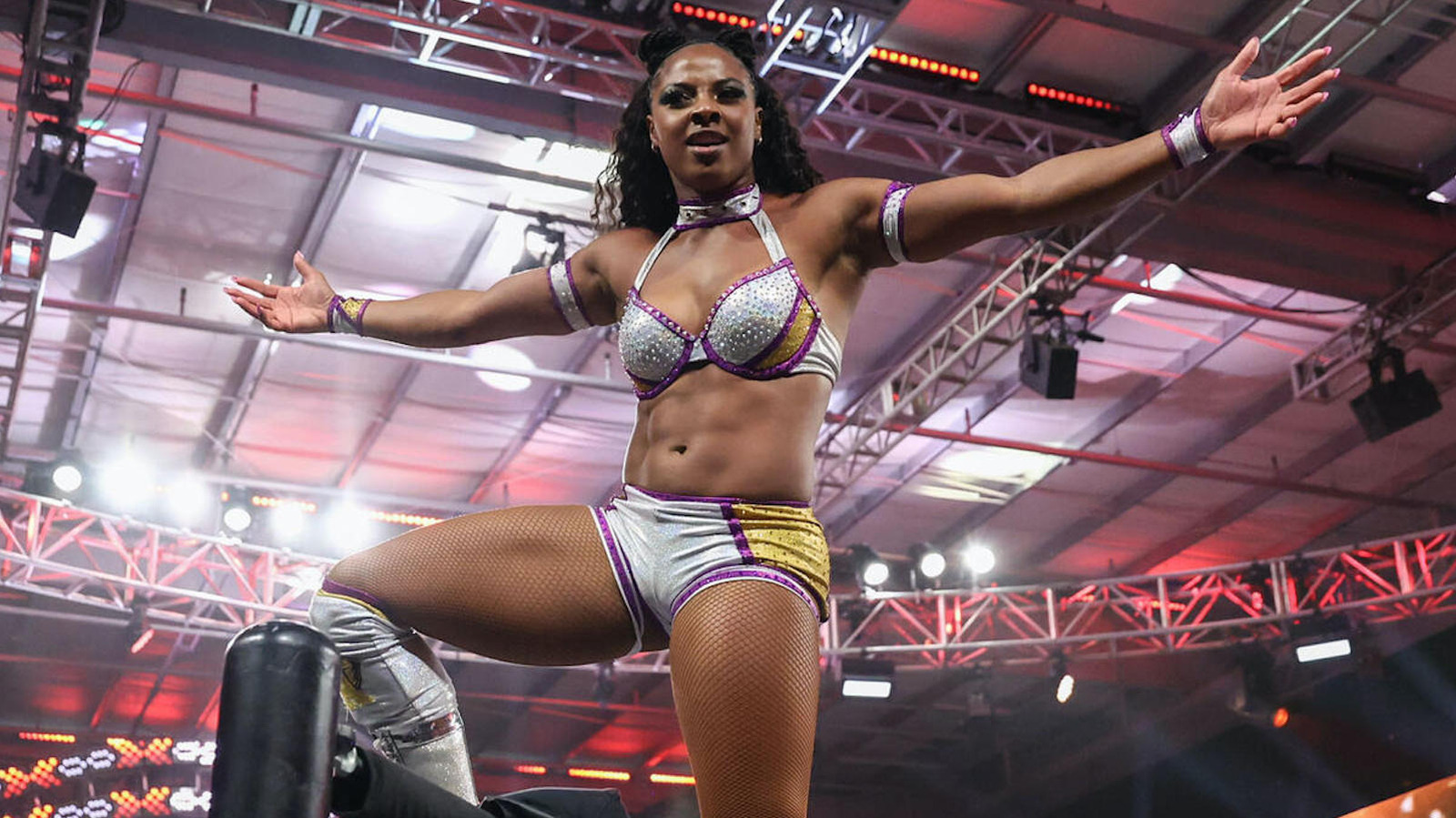
WWE's post-Mania roster bloodletting signals a shift in developmental strategy
2 months, 3 weeks ago
NXT is morphing into a third major brand, for better or worse
3 months, 2 weeks ago
WWE's latest hiring spree is a tactical pivot, not a talent dump
1 week, 5 days ago