Why the obsession with bringing back the Greatest Hits?
Every time a rumor drops about a legendary tag team reunion, you can hear the collective groan of every fan who actually watches weekly television. We just saw reports that WWE is looking to rebuild the tag division by scouring the list of former employees. It is the hallmark of a promotion that spends too much time looking in the rearview mirror instead of at the windshield.
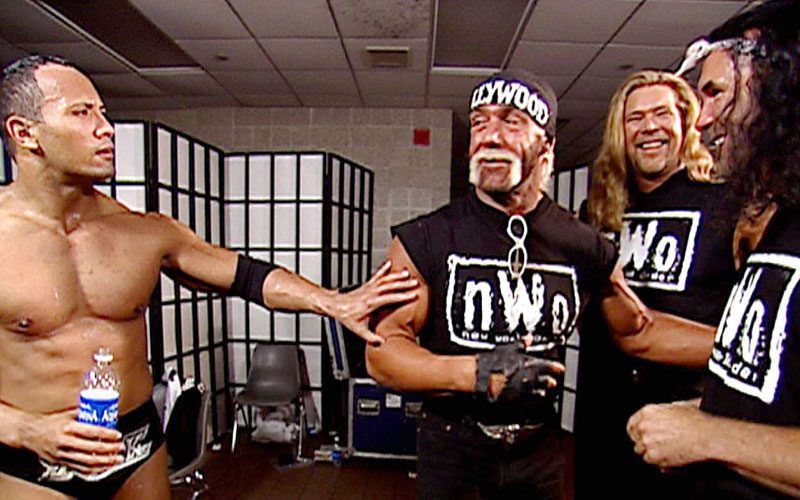
Look at the nWo’s return to WWE back in 2002. Kevin Nash has been vocal about how that run was essentially DOA because the locker room wanted it dead from the second the spray paint hit the curtain. According to recent comments from Nash, the fanbase was ready to roll with it, but the backstage environment was toxic toward the idea of these WCW icons invading the turf again.
It is exhausting to watch history repeat itself. Why spend resources trying to coax retired stars into a ring when you have a roster full of guys who actually want to be there? This industry has a nasty habit of thinking that a pop from a nostalgia act is worth more than a legitimate push for a mid-card team.
The disconnect between crowd reaction and booking logic
Sometimes the disconnect isn't just with the legends, but with how management interprets fan heat. Just look at the genuine love R-Truth gets right now. People lose their minds when he hits a move, and even his own kid is apparently surprised by the level of support he gets, as noted in recent interviews. Truth is a master of comedy and timing, but that support isn't about nostalgia. It is about a guy putting in the work and actually connecting with a modern audience without needing a Hall of Fame ring to justify his spot.
When you look at the rumored return lists, you have to wonder if anyone in the front office is actually comparing the potential upside of a reunion against the fresh talent sitting in catering. Bringing back a team that broke up when most of the current locker room was still in high school doesn't solve a booking problem. It just delays the inevitable rebuild that happens when the crowd realizes the match is essentially a glorified house show segment.
The tag team division has been erratic for years. Plugging holes with familiar faces of yesteryear is a band-aid on a broken leg. Whether it is The New Day or the newer iterations like The Wyatt Sicks, the focus should be on building identities that stand on their own merits. If you rely on the same five teams from the last decade, you stop creating new legends entirely.
The booking mistakes we keep ignoring
There is a recurring issue where the company prioritizes a viral moment or a name on the marquee over coherent long-term storytelling. We see it every time they lean too hard into the past. The industry needs to understand that a return is only effective if it serves a purpose beyond a one-week spike in ratings or a social media clip.
Even when a return works, it is rarely sustainable. You get that one big entrance, a few weeks of mediocre matches, and then you are right back where you started. The 2002 nWo run is the perfect case study in how a hot concept can be sabotaged by failing to integrate it into the actual fabric of the modern product.
I’m all for honoring the history of the sport, but if your strategy for 2026 is "go find who is available from 2018," you might want to re-evaluate your scouting department. The audience is smarter than you think. They know the difference between a genuine resurgence and a desperate attempt to move tickets for a premium live event.
Let’s demand fresh matchups. Let’s see the younger teams given the time to develop a chemistry that doesn't feel like a retread of a better angle from ten years ago. It’s time to move past the obsession with the trophy room and start focusing on the next generation of stars who don't need a past life to draw a crowd.