
WWE Raw is stuck in a loop of mid-tier steady state
The stagnant arithmetic of Monday nights
Consistency is often marketed as a virtue in the boardroom, but for a three-hour television product, it can look suspiciously like creative stagnation. The July 13, 2026, episode of WWE Raw pulled in numbers nearly identical to the rolling averages of the past month. We are witnessing a product that has found its ceiling, and it shows no appetite for breaking through it.
When viewership data refuses to budge during the summer, it signals that the audience has become perfectly inelastic. Casual viewers are not being lured back, and the die-hard base is not being incentivized to recruit new watchers. The latest Wrestling Inc report confirms this flatline trend. Three hours of television in 2026 should be an exercise in narrative momentum, yet the metrics prove it is currently just maintenance.
The content gap behind the numbers
Stability is fine for a blue-chip stock, but professional wrestling thrives on the volatility of the watercooler moment. Without a spike in the key 18-49 demographic, the creative team has to ask if the serialized storytelling is actually hooking anyone new. We are looking at a product that averages 1.55 million viewers weekly, a figure that is respectable but painfully pedestrian for a brand with this much resources.
The lack of upward movement suggests that the mid-card feuds are missing the stakes required to drive urgency. When the booking feels like a circular holding pattern, the audience treats the show as background noise rather than Appointment Viewing. You cannot optimize your way out of a creative trough with better production values if the hooks for the main event segments feel disjointed.
Why the booking malaise lingers
Part of the failure lies in the predictability of the match outcomes. When viewers can identify the finish of a tag team bout or a mid-card title defense within the first two minutes of the bell, the incentive for active engagement vanishes. Fans are essentially watching a high-budget simulation of a wrestling show rather than a sporting event with genuine stakes.
If the Raw writers want to shift these numbers, they must move away from the current comfort zone of safe, repetitive angles. It requires shifting the focus toward building distinct, unpredictable character beats that reward viewers for staying tuned through the final hour. Until the creative direction mirrors the intensity of the in-ring work, these plateaued quarterly reports will remain the standard.
Drafting Greatness: Buy the Belt by Conrad Thompson
A deep dive into wrestling history from the legendary podcaster.
Frequently Asked Questions
What is the current average weekly viewership for WWE Raw?
Why is WWE Raw currently experiencing creative stagnation?
How does the current booking affect the Raw audience?
What do the recent viewership metrics suggest about the show's growth?
What changes does WWE need to make to improve viewership?
More Coverage
WWE viewership has plateaued and that is a major problem
an hour ago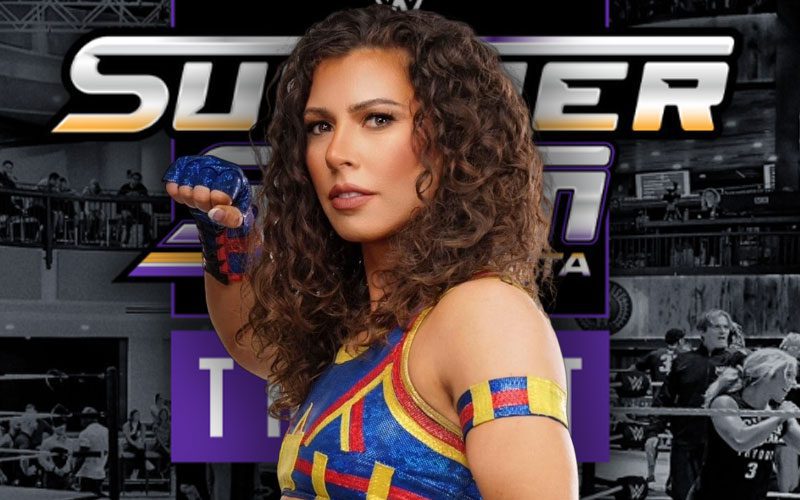
J-Rod is heading to Minneapolis and the internet is already losing its mind
an hour ago
Logan Paul’s obsession with the McGregor payday makes no sense
an hour ago
Why J-Rod's SummerSlam tryout is the ultimate trial by fire
an hour ago
Conor McGregor's fitness status and the WWE dream match reality check
an hour ago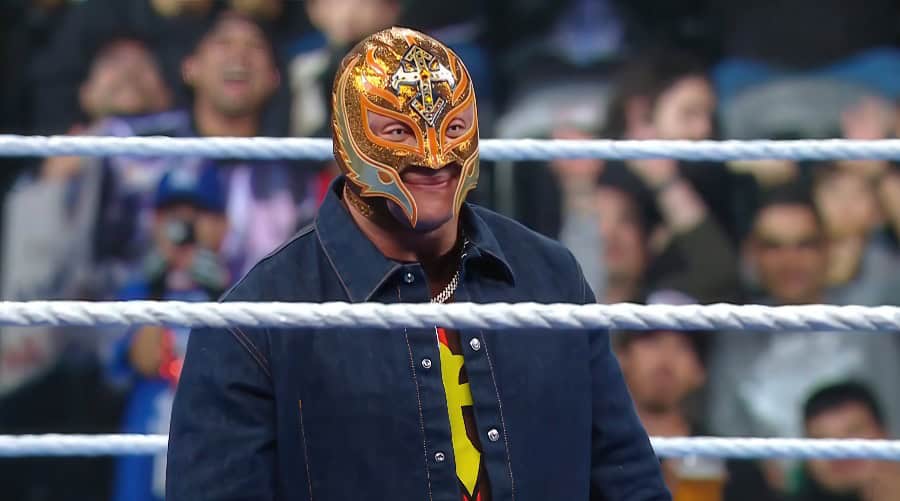
AJ Styles is right about Rey Mysterio and it’s not even a debate
an hour agoMore Analysis
WWE viewership has plateaued and that is a major problem
an hour ago
J-Rod is heading to Minneapolis and the internet is already losing its mind
an hour ago
Logan Paul’s obsession with the McGregor payday makes no sense
an hour ago
Why J-Rod's SummerSlam tryout is the ultimate trial by fire
an hour ago
Conor McGregor's fitness status and the WWE dream match reality check
an hour ago