WWE’s celebrity push is backfiring one week before WrestleMania 41
The influencer era hits a wall in the Vegas home stretch
With exactly seven days until the first bell at Allegiant Stadium, WWE should be cruising on a wave of pure momentum. The John Cena farewell tour is the hottest ticket in the industry. Cody Rhodes is the undisputed face of the company. The Bloodline saga continues to generate the kind of engagement metrics that make TKO executives salivate. Yet, the April 10 episode of SmackDown in Detroit didn't feel like a focused march toward WrestleMania 41. It felt like a distracted, self-indulgent exercise in brand synergy that has left the core audience feeling alienated.
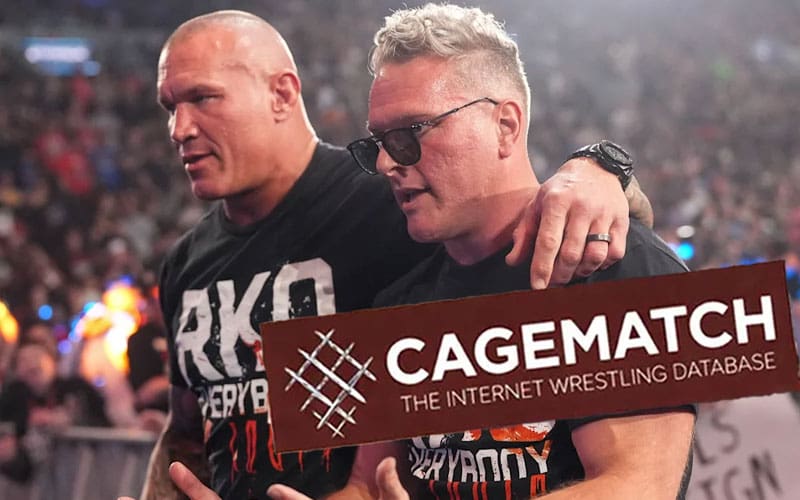
The fallout from the Friday night broadcast has been swift and brutal. Within 24 hours of the show going off the air, segments featuring Pat McAfee and country star Jelly Roll were being pummeled by dislikes on digital platforms. This isn't just the usual internet contrarianism. It is a data-backed rejection of a specific creative direction. The dissatisfaction centered on two key segments: a celebratory moment with Jelly Roll and a promo involving Cody Rhodes and Randy Orton that was steered by McAfee. Both moments shared a common flaw. They prioritized the 'celebrity' over the 'stakes,' turning the top two babyfaces in the company into supporting actors in their own narrative.
When you have a wrestler like Cody Rhodes, who has spent three years building a connection with the audience based on struggle and legacy, you don't stick him in a segment that feels like a morning talk show. The McAfee promo with Rhodes and Orton was ripped apart by fans for its artificiality. It lacked the grit and tension required for a go-home cycle. Instead of focusing on the looming threats at WrestleMania, the segment felt like a branding exercise for McAfee’s own media empire. It was a tactical error that ignored the basic psychology of wrestling fans who want to see their heroes focused on the championship, not trading quips with an influencer.
The toxicity of the front row and the Meltzer incident
While WWE struggles with its celebrity integration, the broader culture of professional wrestling is grappling with a different kind of decay. The recent trend of fans filming and harassing journalists at ringside reached a boiling point during a Matt Cardona match this week. A fan chose to spend their time filming Dave Meltzer at the announcer’s table, recording a targeted harassment campaign rather than watching the work in the ring. This is the logical endpoint of the 'meta-commentary' era. When the audience becomes more obsessed with the people reporting on the show than the show itself, the product suffers.
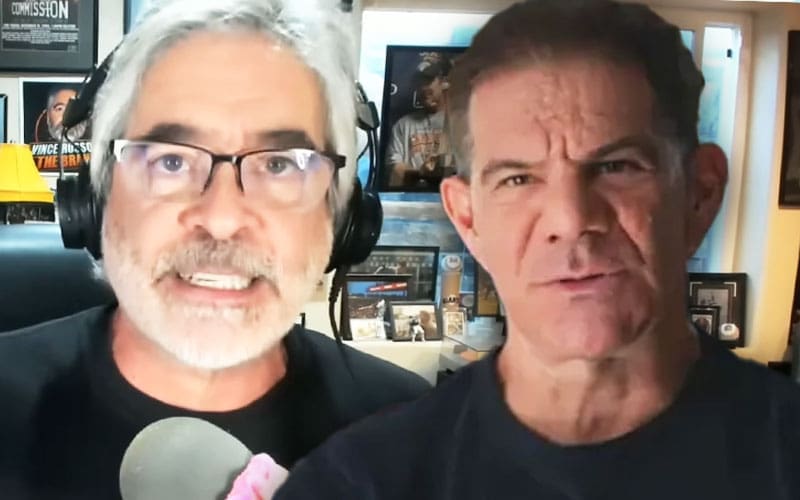
The discourse took a bizarre turn when Meltzer was spotted sitting with the general public during the April 10 SmackDown. This led to a classic Vince Russo burial, with the former head writer mocking Meltzer for 'losing subscribers' and sitting among the 'commoners.' It’s a strange critique from Russo, considering his own history of trying to bridge the gap between fiction and reality. However, the optics were undeniably weird. A veteran journalist sitting in the crowd while being harassed by fans on social media creates a feedback loop of negativity that distracts from the actual wrestling.
The industry has spent two years chasing high-fidelity engagement, but the narrative is currently being suffocated by the very influencers brought in to save it.
Matt Cardona’s match ended up trending for all the wrong reasons. Instead of people talking about a potential surprise appearance at WrestleMania or his incredible career resurgence on the independent circuit, the conversation was dominated by a guy with a phone camera harassing a 60-year-old journalist. This is a failure of the live event environment. If the security protocols can't protect the people working the show—or even the people covering it—the experience becomes hostile. It mirrors the digital hostility seen in the YouTube dislike ratios for the McAfee segments. The fans are frustrated, and they are lashing out at any target they can find.
Why the Jelly Roll segment failed the engagement test
The specific rejection of the Jelly Roll and Pat McAfee segment after SmackDown is a fascinating case study in audience psychology. On paper, Jelly Roll is a massive get for WWE. He has a huge crossover following and genuine charisma. But the execution on April 10 felt dated. It was a throwback to the 'Guest Host' era of Raw from 2011, a period most fans remember with a shudder. The segment was essentially a back-patting session that stalled the show’s momentum right when it needed to be accelerating toward Las Vegas.
The metrics don't lie. Fans turned on the segment almost immediately. The dislikes piled up because the segment felt like it was intended for people who don't actually watch the show. It was 'content' created for social media clips rather than a story beat for the people who have been watching SmackDown every Friday for the last year. In a week where every second of television should be building heat for matches like Roman Reigns versus Cody Rhodes or the John Cena farewell, wasting ten minutes on celebrity fluff is a dereliction of creative duty.
There is also the Randy Orton factor. Orton is currently doing some of the best character work of his career. He is a veteran who understands the gravity of the WrestleMania season. Seeing him forced to play along with McAfee’s high-energy, 'bro-tastic' persona felt like a mismatch of styles. Orton thrives in the shadows and the silence between moves. McAfee thrives on noise. On April 10, the noise won, and the wrestling lost. It was a jarring tonal shift that left the audience feeling like they were watching a different show than the one they signed up for.
The WrestleMania 41 outlook and the danger of the 'New Era'
Despite these creative missteps, WrestleMania 41 remains a logistical juggernaut. We are seven days away from Cody Rhodes defending the WWE Championship on Night 2, and the tickets for Allegiant Stadium have been effectively sold out for months. But there is a growing concern that the 'New Era'—the post-Vince McMahon, TKO-driven version of the product—is becoming too slick for its own good. The integration of sponsors like Prime and the constant presence of influencers like Logan Paul and Pat McAfee has brought in money, but it has also brought in a layer of artifice that is starting to crack.
The critical observation here is simple: WWE is currently winning the business war but losing the narrative soul. When the most talked-about part of a SmackDown broadcast is how many people disliked a celebrity segment, you have a problem. The fans are signaling that they want the focus back on the athletes and the rivalries. They don't want to see Pat McAfee making the WWE Champion look like a guest on his podcast. They want to see the Champion look like the most dangerous man on the planet.
As we head into WrestleMania week, the pressure is on. The company needs to pivot away from the 'influencer' focus and return to the 'superstar' focus. The John Cena farewell is the perfect opportunity to do this. Cena, for all his crossover success, always treated the ring as a sacred space. He never let the celebrity overshadow the work. If WWE can recapture that balance in Las Vegas, WrestleMania 41 will be the masterpiece they are promising. If they continue down the path of the April 10 SmackDown, they risk turning the 'biggest show of all time' into a very expensive, very loud, and ultimately empty marketing activation.
The dislike ratios are a warning shot. The harassment of Meltzer is a symptom of a deeper cultural rot. And the failure of the McAfee/Rhodes promo is a reminder that in wrestling, the story must always come first. If you lose the story, you lose the audience, no matter how many celebrities you have in the front row. Vegas is calling, and WWE better hope they have more than just influencer buzz to offer when the lights go up on April 19.
Read Next
CM Punk "Best in The World" Official WWE Ringer T-Shirt
The iconic tee from the one and only Best in the World.
More Coverage
Why WWE's Midcard is Cooking While the SummerSlam Main Event Stinks
55 seconds ago
Brock Lesnar and Oba Femi are playing with fire before SummerSlam
3 hours ago
Top 10: The Definitive Ranking of Mid-Year 2026 Wrestling Moments
3 hours agoWWE RAW Hit-and-Miss: Bron Breakker Demolishes, But Promo Parades Need to Die
4 hours ago
Danhausen's WWE status sparks wild speculation after RAW appearance
4 hours ago
Steve Maclin and Sami Callihan are leaving TNA and AEW is ready to pounce
4 hours agoMore Analysis
WWE’s WrestleMania 41 build is drowning in Pat McAfee’s self-indulgence
3 months, 1 week ago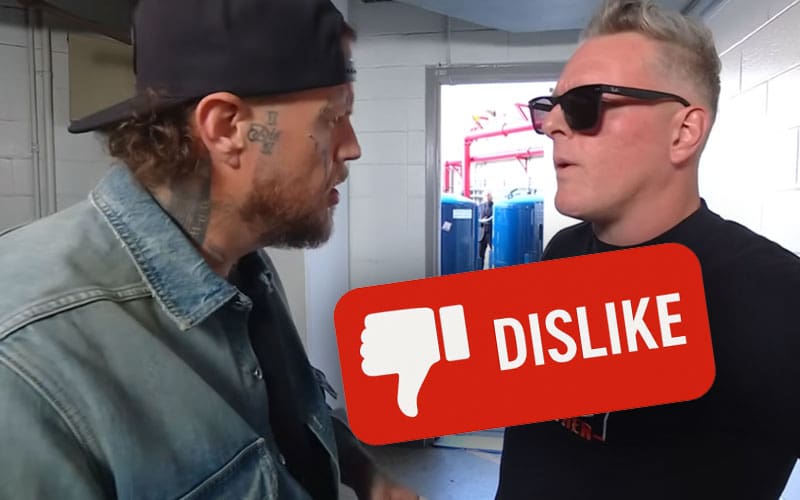
WWE fans are already trashing that forced Jelly Roll and Pat McAfee segment
3 months, 1 week ago
Why the Pat McAfee booking is a massive miscalculation for WWE
3 months, 2 weeks ago
WWE's celebrity obsession is ruining the WrestleMania 41 build
3 months, 1 week ago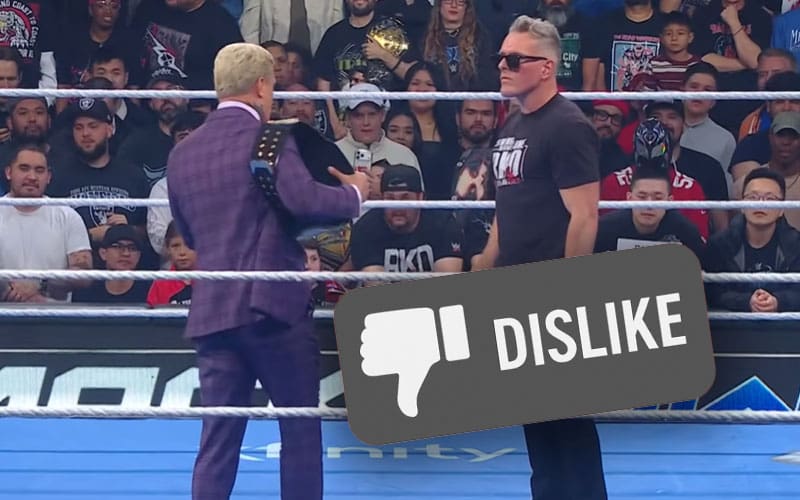
Pat McAfee's SmackDown stunt completely derailed the WrestleMania 41 build
3 months, 1 week ago