The Illusion of Independence
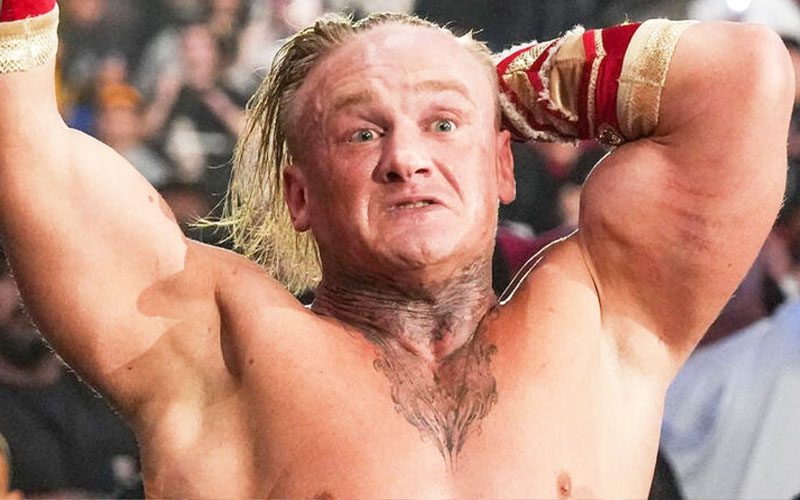
On July 16, 2026, PRODUCE: Volume 2 was supposed to feature two of the most promising young talents on the independent circuit. Instead, the promotion had to announce that WWE ID prospects Chazz Hall and Marcus Mathers had been pulled from the event. This was not a standard injury or travel issue.
It was a direct directive from Stamford. WWE exercised its contractual veto, demonstrating that the "I" in WWE ID does not stand for independence. It stands for corporate oversight.
This move exposes the program's fundamental contradiction. WWE pitched the project as a supportive pathway that allows prospects to build their brands on the indies. In reality, it is a corporate fence designed to keep valuable talent away from rival platforms.
The Streaming Trigger and the AEW Line
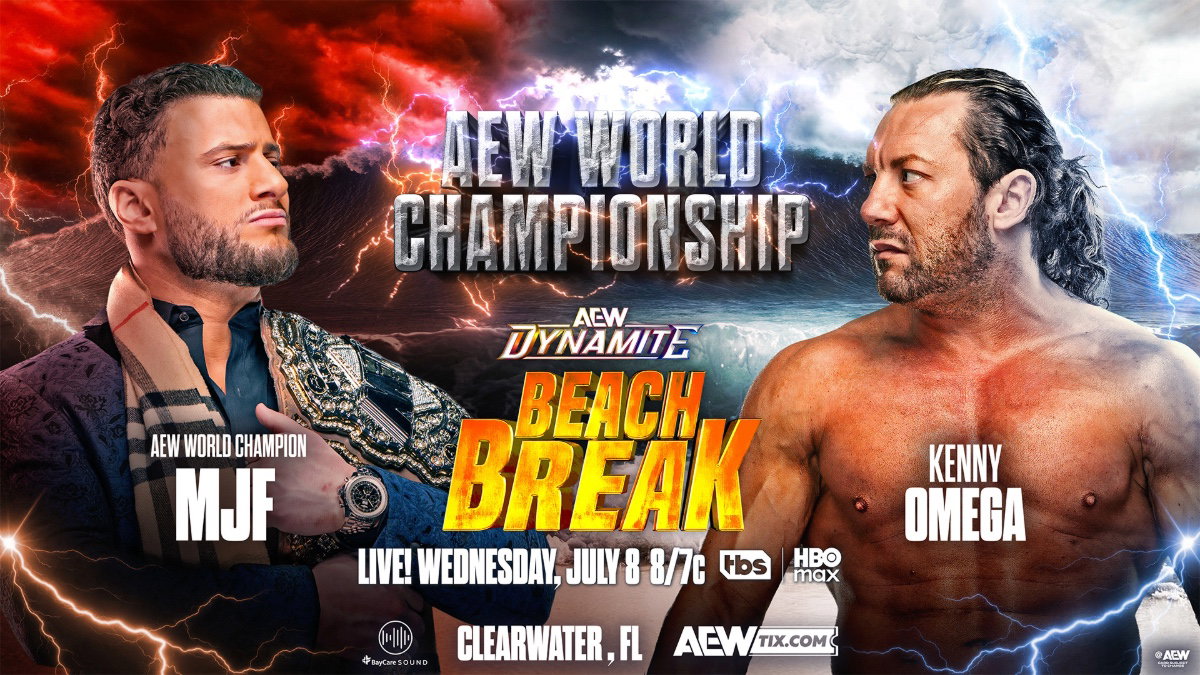
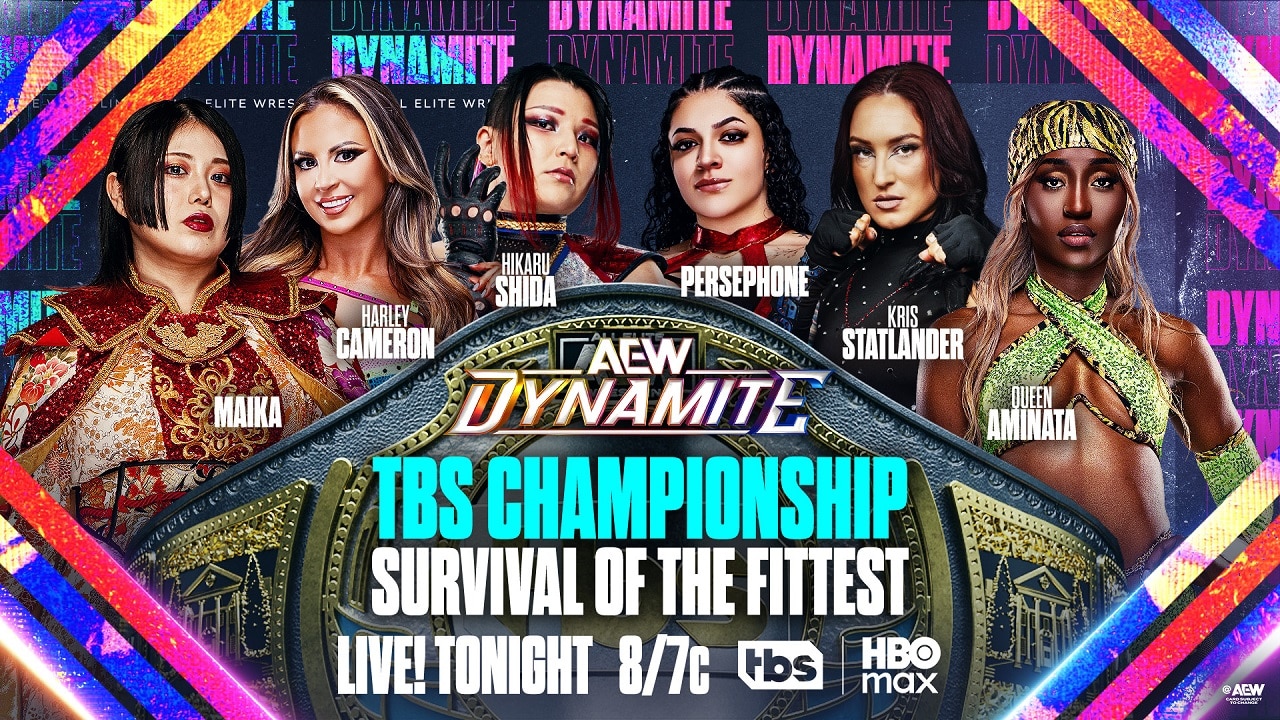
The catalyst for WWE's intervention is PRODUCE Wrestling's newly minted streaming agreement. In June 2026, the promotion partnered with MyAEW, the global streaming service powered by Kiswe. As reported by WrestleTalk, the deal streams PRODUCE events to international audiences for $14.95 a show or a $50 season pass.
WWE has a long-standing corporate policy against its talent appearing on rival broadcasts. Once PRODUCE aligned with the AEW streaming banner, Hall and Mathers became liabilities in WWE's eyes. They could not allow their developmental prospects to draw eyeballs to a platform bearing their main competitor's logo.
Gabe Sapolsky and Triple H designed WWE ID to capture indie standouts before they signed elsewhere. But by pulling talent from MyAEW-affiliated shows, they are forcing a hard boundary. Wrestlers under this developmental banner are now restricted from some of the most visible independent events.
The Erosion of Wrestler Brand Equity
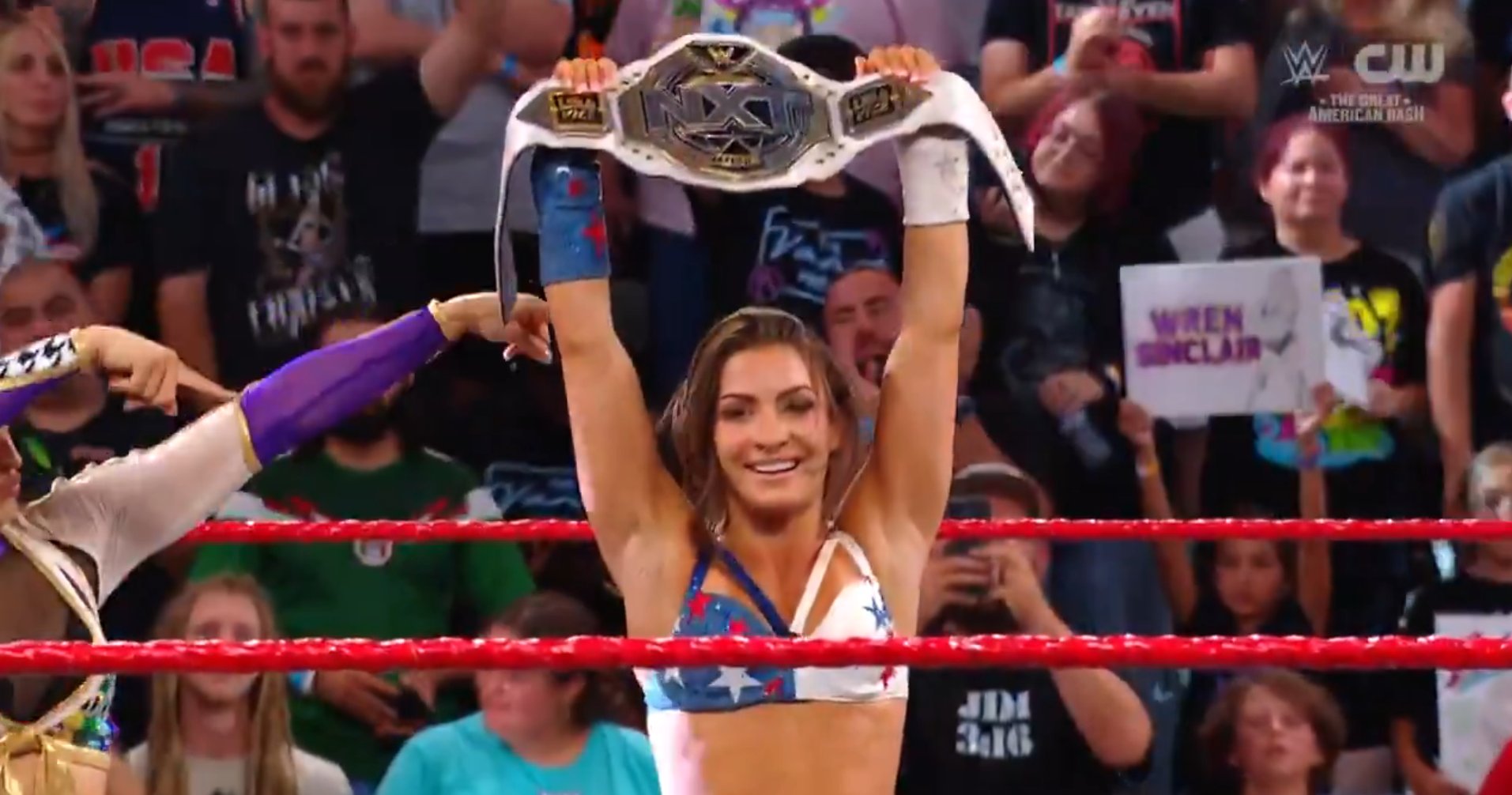
This restriction comes alongside another telling policy shift that occurred in mid-2026. WWE now requires its ID prospects to use mandated corporate names on the independent circuit. Starboy Charlie is forced to wrestle as Chazz Hall, while Notorious Mimi became Sloane Jacobs.
This renaming strips these performers of the digital footprint and merchandise revenue they spent years building. A wrestler who built their reputation over hundreds of indie matches suddenly has to start from scratch under a name owned by WWE. If the prospect is eventually released, they leave with less name equity than when they entered.
Consider the mechanical impact on a match. When Chazz Hall, the former Starboy Charlie, executes a running dropkick or his signature shooting star press, the commentary team must use his new corporate moniker. It feels clinical and forced.
It also creates a disjointed experience for the live audience. Fans buy tickets to see the indie stars they follow on social media, not corporate placeholders. This name-control policy proves that WWE ID functions as early-stage intellectual property acquisition rather than grassroots support.
The Backlash and PRODUCE's Heavy-Handed Policy
The response from independent promotions has been swift and defensive. PRODUCE founder Adam Abdalla responded by instituting a lifetime ban on any wrestler who cancels a booking for reasons other than a full-time contract signing. It is a bold, aggressive stance for a young promotion.
However, this policy is also highly punitive and carries its own risks. Banning young talent like Mathers—a Philadelphia native known for his high-flying arsenal and sharp technical work—harms the promotion's own card quality. By drawing a line in the sand, PRODUCE is limiting its access to some of the scene's top workers.
Yet, you can understand Abdalla's frustration. Indie promoters spend weeks structuring cards, booking flights, and printing promotional material around key names. When WWE pulls the rug out a few weeks before the show, it disrupts the entire match card and alienates fans who bought tickets.
It also hurts the credibility of the promotion. Fans who paid for a PPV or bought a ticket to see a specific matchup feel cheated. The promoter is left holding the bag, forced to scramble for replacement talent at the last minute.
The Fracturing of the Indie Circuit
This conflict will inevitably split the independent scene into two distinct camps. One camp will consist of WWE-aligned promotions, like Booker T’s Reality of Wrestling or Seth Rollins’ Black and Brave Academy. These schools and partner promotions will serve as safe havens for WWE ID prospects to work and get filmed for Evolve on Tubi.
The other camp will comprise neutral or AEW-linked promotions that rely on streaming deals to survive. Promotions that stream on MyAEW, TrillerTV, or independent networks will be locked out of booking the top WWE ID talent. The free-flowing nature of the indie circuit, where anyone could wrestle anyone, is ending.
We are already seeing the practical effects of this division. A wrestler like Mathers cannot test himself against AEW-adjacent talent in front of a global streaming audience. Instead, he is relegated to matches that WWE approves, limiting his growth and capping his in-ring development.
This division will ultimately choke the independent scene. Indies thrive on variety and unpredictable matchups. If the talent pool is split by corporate walls, the matches will become repetitive and the crowds will dwindle.
The Inevitable Pivot
WWE ID was launched on October 29, 2024 with the promise of supporting the independent scene. But the program cannot coexist with WWE's traditional closed-door corporate policy. As more independent promotions seek streaming revenue to stay solvent, the conflict will only intensify.
WWE will realize that managing dozens of semi-independent contracts is a logistical headache. They cannot control the booking, the streaming platforms, or the opponents without turning these contracts into full-time deals. The half-in, half-out model is unsustainable.
My prediction is clear: WWE will abandon the "independent" part of the WWE ID program before July 2027. Within twelve months, WWE will transition all active ID prospects to exclusive NXT developmental contracts or terminate the agreements of those who refuse to sign. The experiment of letting contracted developmental talent roam the wider indie world has failed.
The pulling of Hall and Mathers from PRODUCE: Volume 2 is not an isolated incident; it is the opening salvo in a new territorial war. WWE wanted the benefits of a thriving indie scene without letting their assets help the competition. This was an impossible balance to maintain, and the scale is already tipping.