The quiet movement behind the scenes
WWE operates with a degree of internal secrecy that rarely leaks, but administrative trails often betray their strategy. Recent trademark activity suggests that Triple H is leaning back into the past to bolster a roster that currently sits at a crossroads between established stars and NXT developmental talent.
While fans spend their energy speculating on high-priced free agents, the front office is finalizing paperwork for a familiar face. This is not about a massive marquee signing. It is about depth, reliability, and securing talent that already operates at the required professional velocity.
Why the homecoming makes sense
In the current wrestling climate, there is an obsession with massive roster turnover. However, the most successful business move for WWE right now is re-signing performers who have already weathered the storm of their production standards. Bringing back a known entity eliminates the risk of an adjustment period.
The creative direction for a returning veteran is often clearer than a debutant. You skip the explanatory vignettes and go straight to the mid-card elevation. Having someone on the roster who inherently understands the timing of a television broadcast is worth more than a high-ceiling prospect who requires twenty months in the Performance Center.
Dissecting the recent noise
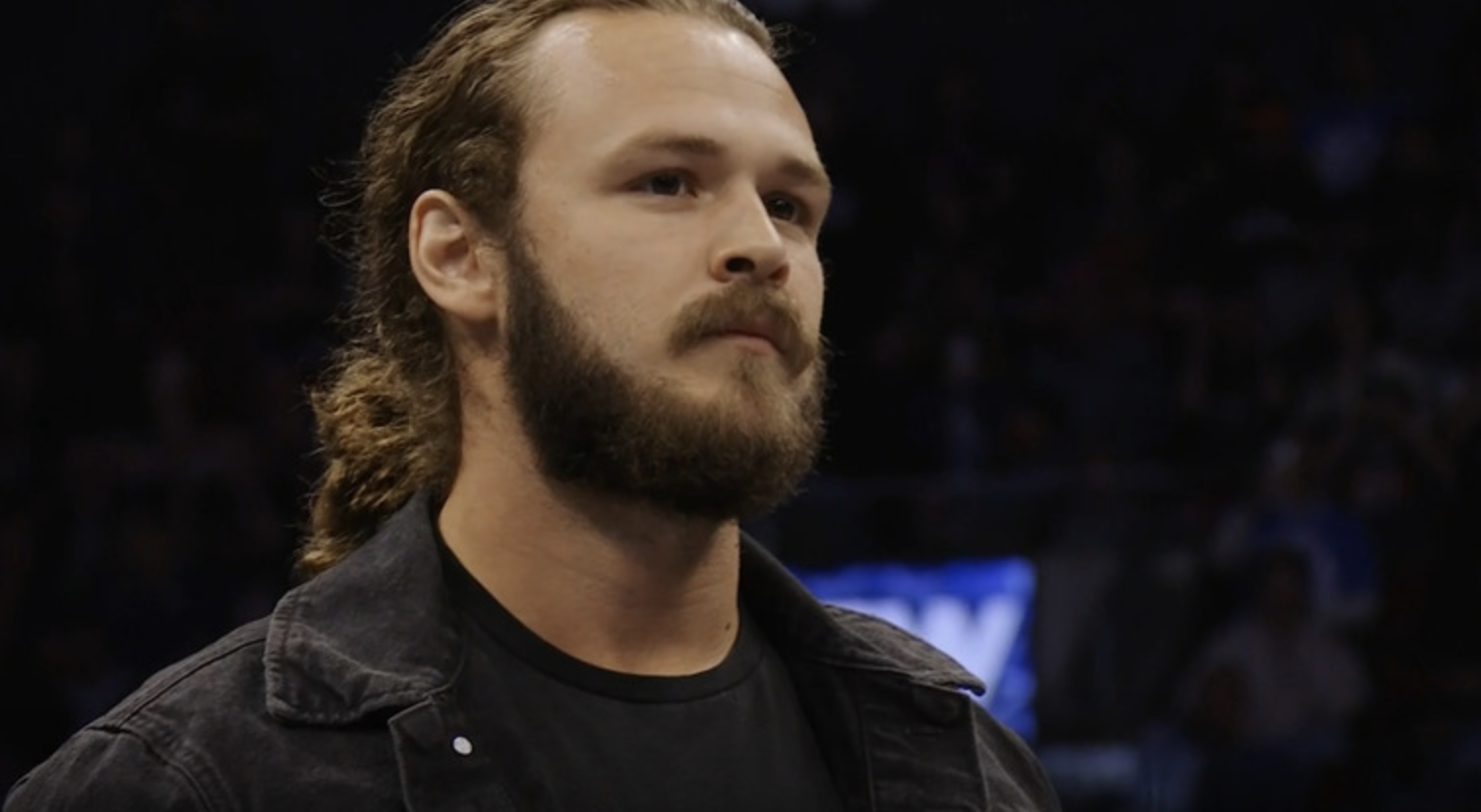
Wrestling rumor mills have been active, though often inaccurate. We have seen recent reports regarding Jack Perry shut down by confirmation that WWE had no internal interest in his services despite the speculation surrounding his AEW contract status. Additionally, the rumored interest in Richard Holliday has cooled significantly, leaving little substance to support that particular thread.
Trademark filings are rarely accidental. Unlike social media speculation, these are legal filings that cost money and require long-term planning. When a company registers a name, they are preparing for merchandise, digital content, and booking windows. It is the most reliable indicator of intent in an industry defined by smoke and mirrors.
Critical assessment of the strategy
Returning signings are not always a victory. There are legitimate concerns regarding whether the talent has evolved since their last departure. If the wrestling style has moved toward a faster, more athletic pace during their absence, the returnee faces a steep climb to remain relevant to a younger audience.
Booking these individuals into the same spots they left two or three years ago is a trap that leads to viewer apathy. Nostalgia carries a segment, but it does not drive ratings for a full cycle. Unless the returning talent has added a new layer to their character, they risk becoming a mid-card placeholder that blocks younger talent from breaking through the glass ceiling.
The probability of the move
Given the specific nature of the recent filing, the likelihood of this signing hitting the screen is high. This falls into the same category as past surprise returns that occur without a major media blitz. The logic holds up, the administrative work is in progress, and the industry chatter aligns with the legal moves.
We are not looking at a global superstar shifting the balance of power on Monday nights. Instead, we are looking at a strategic reinforcement. It is a cynical, calculated business decision designed to add professional polish to a roster that occasionally lacks veterans who can work a solid 10-minute television match without needing to be carried by a headliner.
Expected impact and timeline
Expect an announcement within the next two months. These filings typically precede a reveal by a narrow window, usually coinciding with a minor pay-per-view or a post-event ramp-up in television storytelling. The objective appears to be settling the roster rotation before the late 2026 autumn schedule begins.
The impact will be immediate for those who recognize the performer, but the wider audience will likely remain indifferent until the first match occurs. If the performer remains stagnant, the move will be viewed as a waste of payroll. Success depends entirely on whether they return with a clear narrative arc or simply as an extra body on the roster.