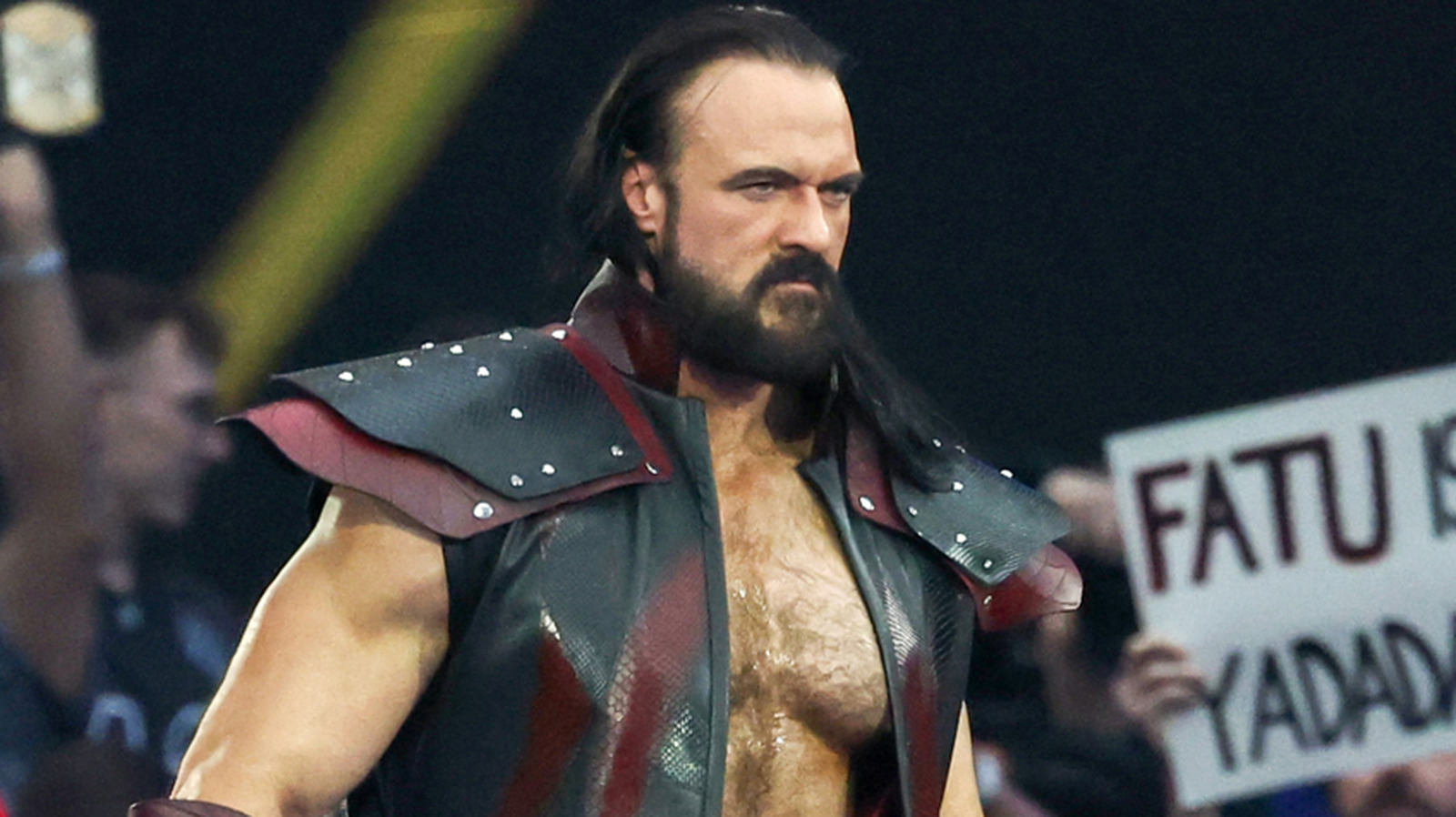
WWE is moving into the world of ultra-short-form fiction. A recent report confirms that the company is producing a "microdrama" series featuring top-tier talents like Drew McIntyre and Joe Hendry. This is a massive departure from standard weekly episodic television.
Instead of twenty-minute matches and ten-minute in-ring promos, this project targets audiences who consume content in 15-second bursts. As reported by Wrestling Inc, WWE is crafting a bite-sized video project to showcase its larger-than-life personalities. It represents a bold experiment in digital-first storytelling.
But this move is not without significant risk. Wasting the momentum of two of the roster's most compelling characters on a format designed for mindless scrolling seems counterintuitive. We need to look closely at the tactical implications of this stylistic pivot.
The Collision of Formats
Drew McIntyre is a premier physical storyteller in professional wrestling today. His matches are built on heavy contact, deliberate pacing, and deep-seated grudges.
The Claymore kick is a sudden finisher, but the build to it is slow and methodical. McIntyre excels in the grey areas of character work, demanding long television segments to let his frustrations breathe.
On the other hand, Joe Hendry is a creation of the viral age. His entrance theme charted in the United Kingdom due to internet campaigns. His entire presentation relies on immediate, loud crowd response and catchy lyrics.
Hendry does not need twenty minutes of mat wrestling to get his point across. He needs a microphone, a spotlight, and a sharp punchline.
Bringing these two together in a microdrama format is a clash of storytelling philosophies. McIntyre operates on gravity and physical consequence. Hendry operates on parody and quick-hit engagement.
Can a format designed for vertical phones accommodate both styles without diluting them? The technical challenges of this crossover are immense.
The Mechanics of Micro-content
To understand why this is a gamble, we have to look at how microdramas work. These series typically feature rapid cuts, heightened facial expressions, and constant cliffhangers. There is no time for slow builds or nuanced selling.
If McIntyre takes a chop, he cannot roll to the outside and sell his ribs for two minutes. The format demands immediate reaction and progression. This speed runs counter to everything that makes McIntyre's recent work compelling.
His heel turn was a masterclass in slow-burn resentment. It took months of subtle promo lines and backstage glares to fully establish his new persona. Compressing that character depth into ninety-second episodes is a recipe for caricature.
For Hendry, the transition might seem easier, but it presents a different trap. His viral success is rooted in the illusion of spontaneity. When he shows up on NXT to mock an opponent, it feels like a disruption of the status quo.
Putting him in a highly produced, scripted microdrama risks stripping away that raw, organic energy. It turns a viral folk hero into a corporate product. The charm of his character relies on the crowd singing along in real time.
The production of this series suggests WWE is looking to capture a demographic that has completely abandoned traditional television. They want the viewers who only see wrestling through TikTok reposts. But history shows that converting passive scroll-time viewers into ticket-buying fans is incredibly difficult.
A view on a social media feed does not equal a viewer on USA Network or Netflix. Furthermore, this experiment risks alienating the core audience. Fans who watch three hours of Raw every week want progression in the stories they already invest in.
If major character beats or interactions between McIntyre and Hendry occur in a separate digital vacuum, it makes the main product feel incomplete. It creates a fractured narrative where viewers must hunt down content across multiple apps.
Let us look at the numbers. During Hendry's recent crossover appearances, NXT saw a noticeable bump in YouTube views and social engagement metrics. His debut segment cleared over 1,000,000 views in less than twenty-four hours.
Yet, the television ratings remained relatively steady, showing a clear disconnect between digital curiosity and weekly viewership habits. This suggests that online interest does not automatically translate to linear growth.
Analyzing the In-Ring Translation
Wrestling is ultimately about what happens between the ropes. A microdrama can build anticipation, but it must eventually lead to a physical confrontation. How does a story told in short clips translate to a live arena?
The crowd expects the characters they saw on their phones to behave the same way in the ring. This is where the booking becomes tricky. If McIntyre dominates Hendry in a standard match, it destroys the credibility of the digital project.
If Hendry uses comedy to outsmart the Scottish Warrior, it damages McIntyre's standing as a top-tier threat. The writers are backing themselves into a corner where someone's presentation must suffer.
We also have to consider the physical toll and scheduling. Producing extra content outside of the grueling touring schedule is demanding. McIntyre is already working high-profile matches and carrying major television storylines.
Adding structured filming sessions for digital dramas could lead to fatigue, which inevitably affects in-ring performance. In a physical sport like wrestling, extra demands on talent can have real consequences.
The Verdict on WWE's Digital Play
This project is a clear sign that WWE is no longer content with being a television company. They want to control the vertical video space entirely. By using Drew McIntyre and Joe Hendry, they are putting their best foot forward.
They are testing the water with performers who have proven they can connect with modern fans. But the execution must be flawless to avoid looking cheap. The history of wrestling companies trying to make scripted web series is filled with embarrassing failures.
If this looks like a low-budget soap opera, fans will reject it immediately. The acting must be sharp, and the writing must avoid the typical corporate tropes. There is very little margin for error here.
I predict this microdrama experiment will ultimately fail to move the needle. While the initial episodes will garner high view counts due to novelty, the format will prove too restrictive for long-term storytelling.
McIntyre's intensity will feel ridiculous in bite-sized chunks, and Hendry's charm will be stifled by rigid scripting. Within six months, WWE will quietly pivot back to traditional backstage segments. The medium simply does not suit the message.
The true test will be whether this venture harms the momentum of the talent involved. McIntyre cannot afford to lose his edge in a series of comedic skits, and Hendry needs to maintain his grassroots appeal.
WWE is playing with fire here, risking the credibility of their top stars for the sake of an algorithm. We will see if the risk pays off when the first episodes drop, but the tactical hurdles look far too high to clear.