Capitalizing on the buzz
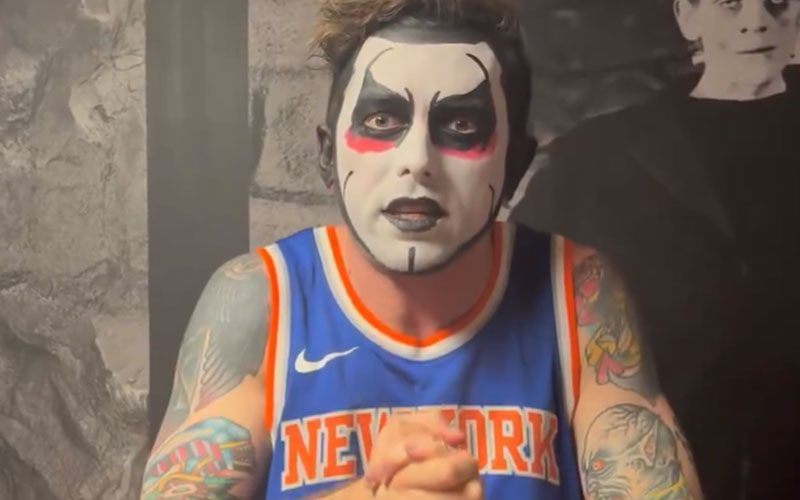
The business of professional wrestling often relies on speed, agility, and an absolute lack of shame regarding current events. Following the New York Knicks claiming their first NBA Championship in 53 years, WWE has wasted exactly zero time. They have moved to market a new Danhausen t-shirt that bridges the gap between Madison Square Garden and the wrestling ring.
This is a calculated play for the New York market. By aligning a personality like Danhausen with a major regional sporting milestone, the promotion is gambling on impulse buys from casual viewers who caught the championship parade fever. It is a cynical maneuver, certainly, but one that highlights the promotion’s obsession with real-time cultural relevance.
The danger of ephemeral marketing
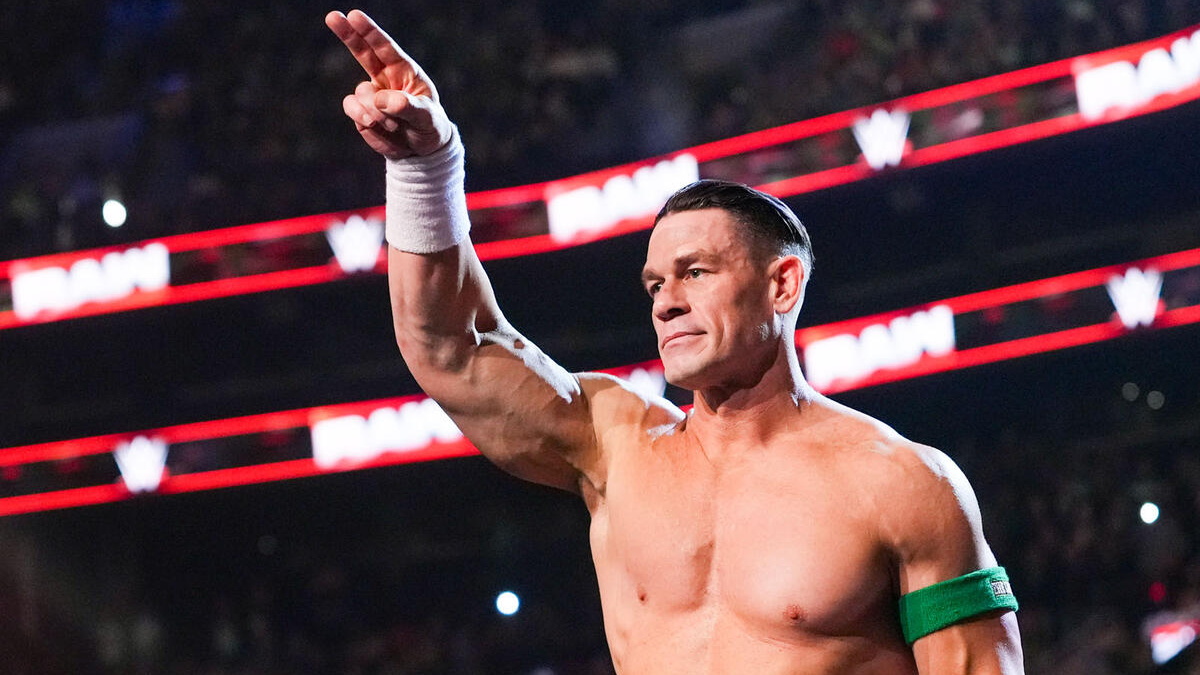
While the strategy is effective for short-term revenue, there is an inherent risk in tying merchandise to such specific, localized events. As seen with the recent announcements regarding Raw's programming direction, the company is fighting a battle to retain viewers who are increasingly prone to channel-flipping. If the product on the screen does not match the energy of the gear being sold on the website, the detachment becomes jarring.
We are watching a shift in how WWE treats fan engagement. Instead of building organic character arcs that last for years, they are effectively pivoting into pop-up shop economics. Danhausen, a character whose appeal is often niche, is being used here to anchor a mainstream crossover. It works for a quick $35 sale, but it does nothing to solve the underlying creative issues that keep fans tuned in once the championship buzz fades.
Tactical flaws in the merchandise push
Look at the composition of the product launch. The design leans heavily into the Knicks aesthetic, nearly obscuring the wrestler himself. This suggests the marketing department prioritizes the bandwagon effect over the actual talent lore.
You can see the desperation in the scheduling as well. With the current viewership slump for Raw, the creative team is likely being pressured to produce viral moments rather than long-term coherent storytelling. Treating a wrestling promotion like a trending hashtag machine is a dangerous game. Eventually, the audience gets bored of the gimmick-heavy approach and demands a narrative depth that a t-shirt simply cannot provide.
My prediction? This Danhausen shirt will sell out within 48 hours, marking a financial success that will embolden management to chase more short-term trends. However, by the time the actual fall season rolls around, the cultural cachet of this Knicks win will be irrelevant. WWE will be left with a surplus of dated merchandise and a fanbase that remains just as disengaged as it was before the shirts hit the store.