The long shadow of an empty main event
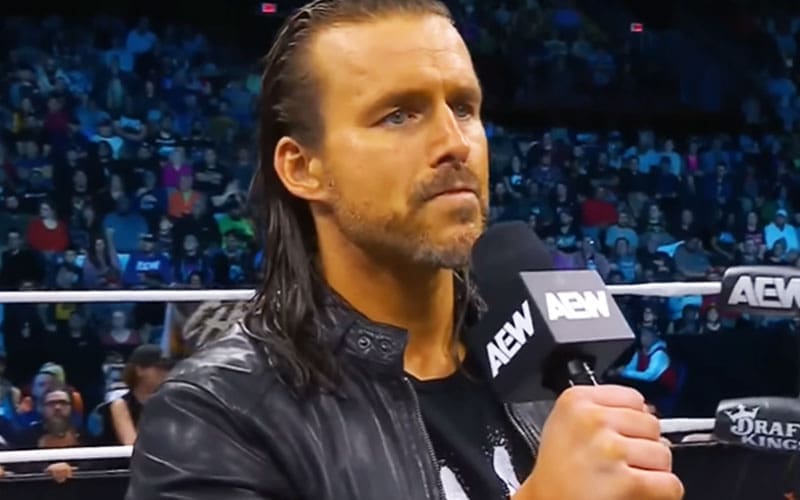
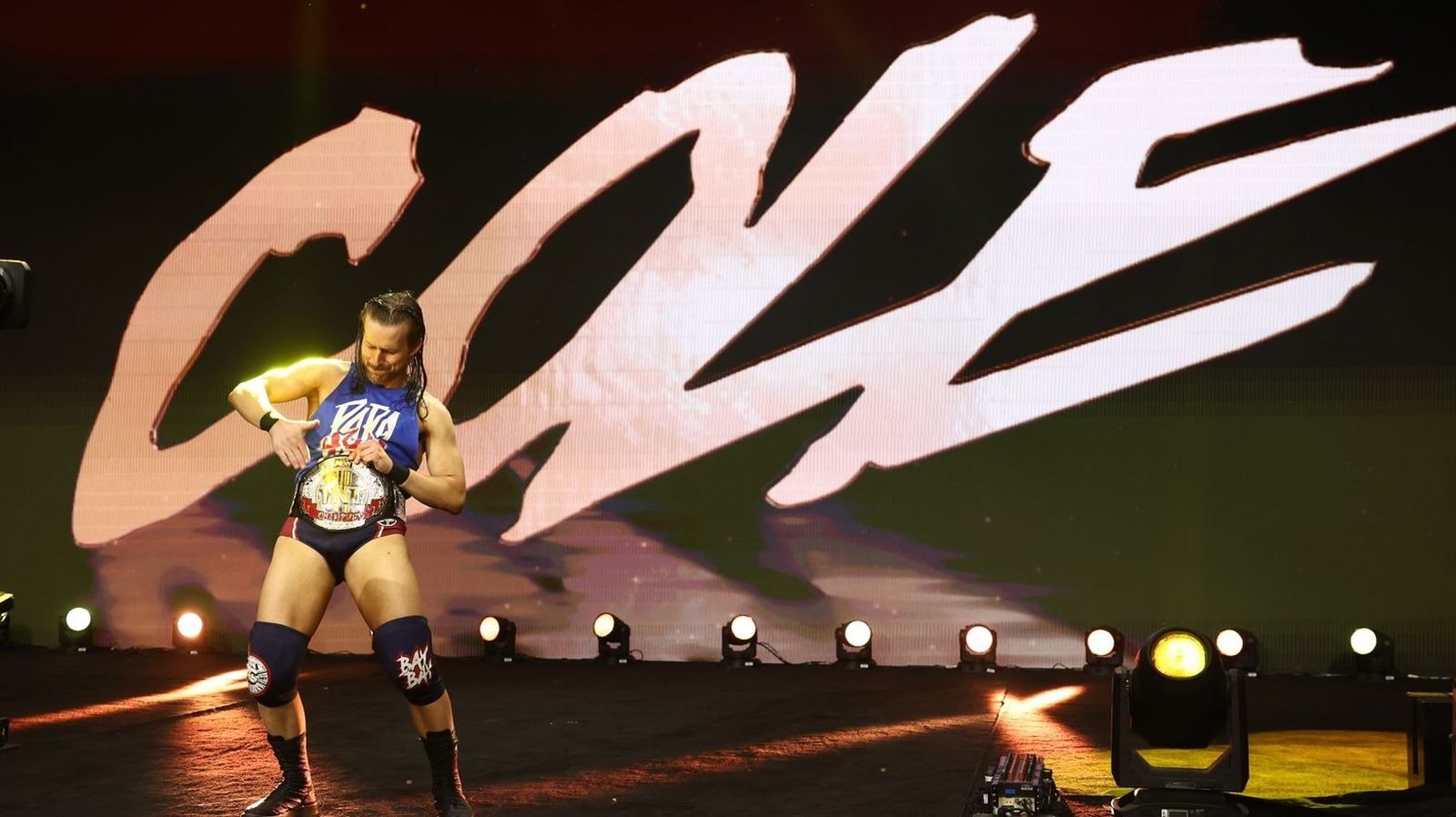
Adam Cole has been absent from AEW programming for exactly 322 days. When he stepped into the ring at ALL IN Texas last July, he left the TNT Championship behind, citing the lasting effects of a concussion. Since that departure, his presence has been felt in the quiet mid-card vacancy left by his exit.
The Young Bucks recently provided an update on Adam Cole that remains heavy on ambiguity. For fans tracking the promotion's decline, this stasis is a recurring motif. AEW finished 2025 with average viewership stats 18% lower than their 2024 benchmarks, creating a statistical vacuum that top-tier talent like Cole was originally meant to plug.
The return on investment problem
AEW currently manages a roster ballooning past 100 active wrestlers, yet their top-line house show attendance has dropped from an average of 4,800 in 2023 to just 3,200 by the first quarter of 2026. The reliance on legacy stars to anchor cards has hit a point of diminishing returns. When the marquee names are shelved, the secondary storylines struggle to retain the core demographic aged 18-49.
Cole represents more than just a name on a marquee; he is a 92% retention indicator for the audience that tuned in during his Undisputed Era run. Without him, the show lacks the narrative through-line that separates a weekly broadcast from a series of disjointed exhibition matches. Wrestlers are not plug-and-play components; they are the primary driver of the promotion’s fiscal health.
The hidden cost of the concussion era
The medical reality of Cole’s exit highlights a larger structural issue within modern wrestling schedules. Wrestlers are absorbing more high-impact maneuvers per match than in the previous decade, with average match duration increasing by 14% since 2022. This intensification directly correlates with the rising number of long-term injuries forcing title forfeitures.
Refusing to adjust the work-rate demands while rotating top talent is a strategy destined for failure. Adam Cole relinquished a major championship because he could not physically maintain the standard set by the company, not because of a creative pivot. If AEW cannot protect its assets, the 11-month absence of a top star like Cole will become the rule rather than the exception.
Predicting the impact of a comeback
A return to the ring does not guarantee a return to peak viewership. The reality is that the 2026 wrestling landscape is more crowded than ever, with competitors fragmenting the attention span of the target audience. Even if Cole returns tomorrow, the promotion enters the second half of the year with a significant deficit in momentum.
Bookers often treat injuries as a temporary pause in a pre-written script, but the fans have moved on. The 322-day gap is an eternity in the current cycle. For Cole to move the needle, his return must result in a shift in booking philosophy rather than a simple resumption of the same character dynamics that led to his burnout in the first place.