The attendance gap defines the Saturday night struggle
When the turnstile count settles at 2,451, the industry takes notice. AEW Collision’s return to the Peoria Civic Center on May 2, 2026, serves as a grounded data point amidst a crowded promotion schedule. While the company stacked the card with three championship matches to drive engagement, WrestleTix data indicates the venue was far from capacity.
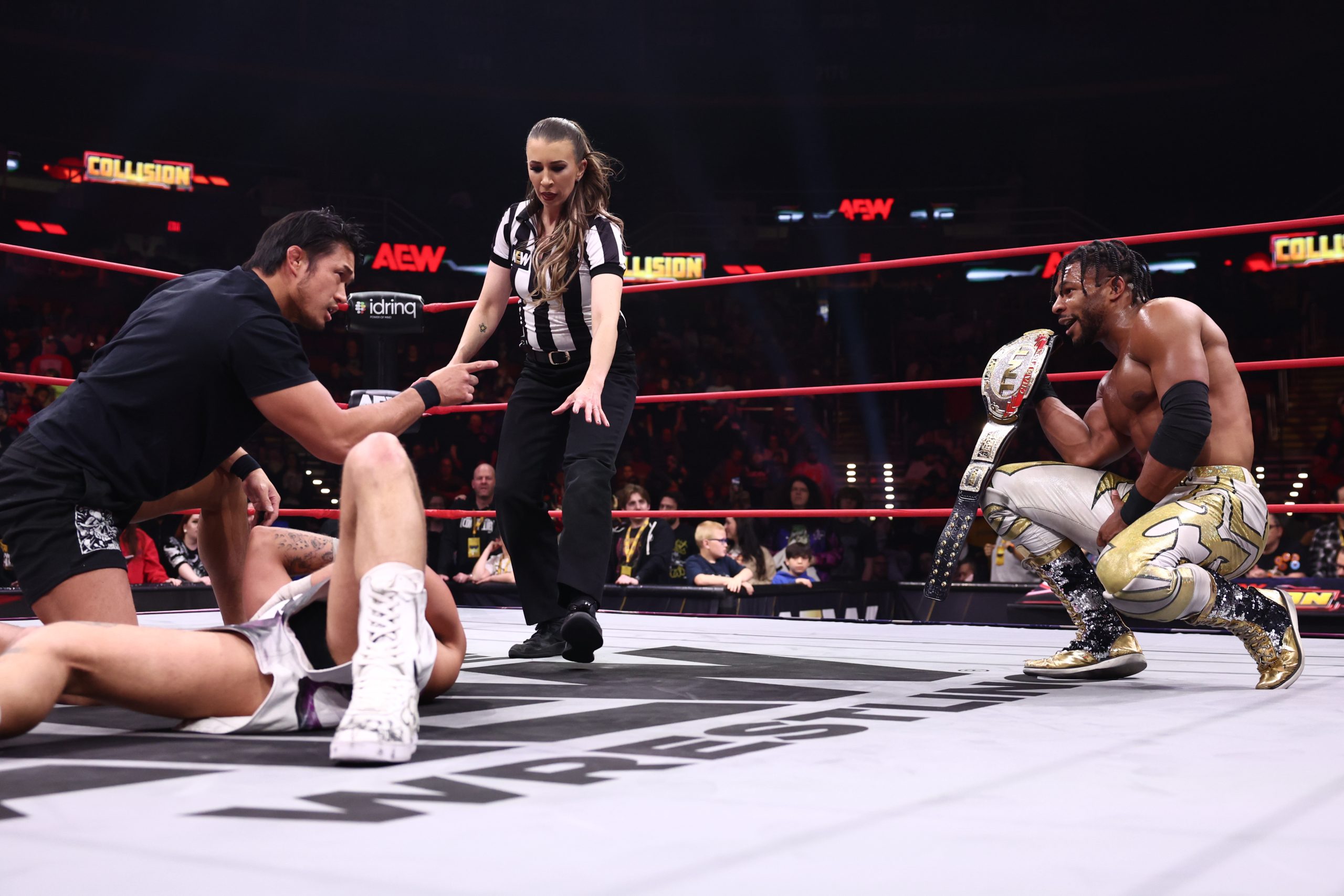
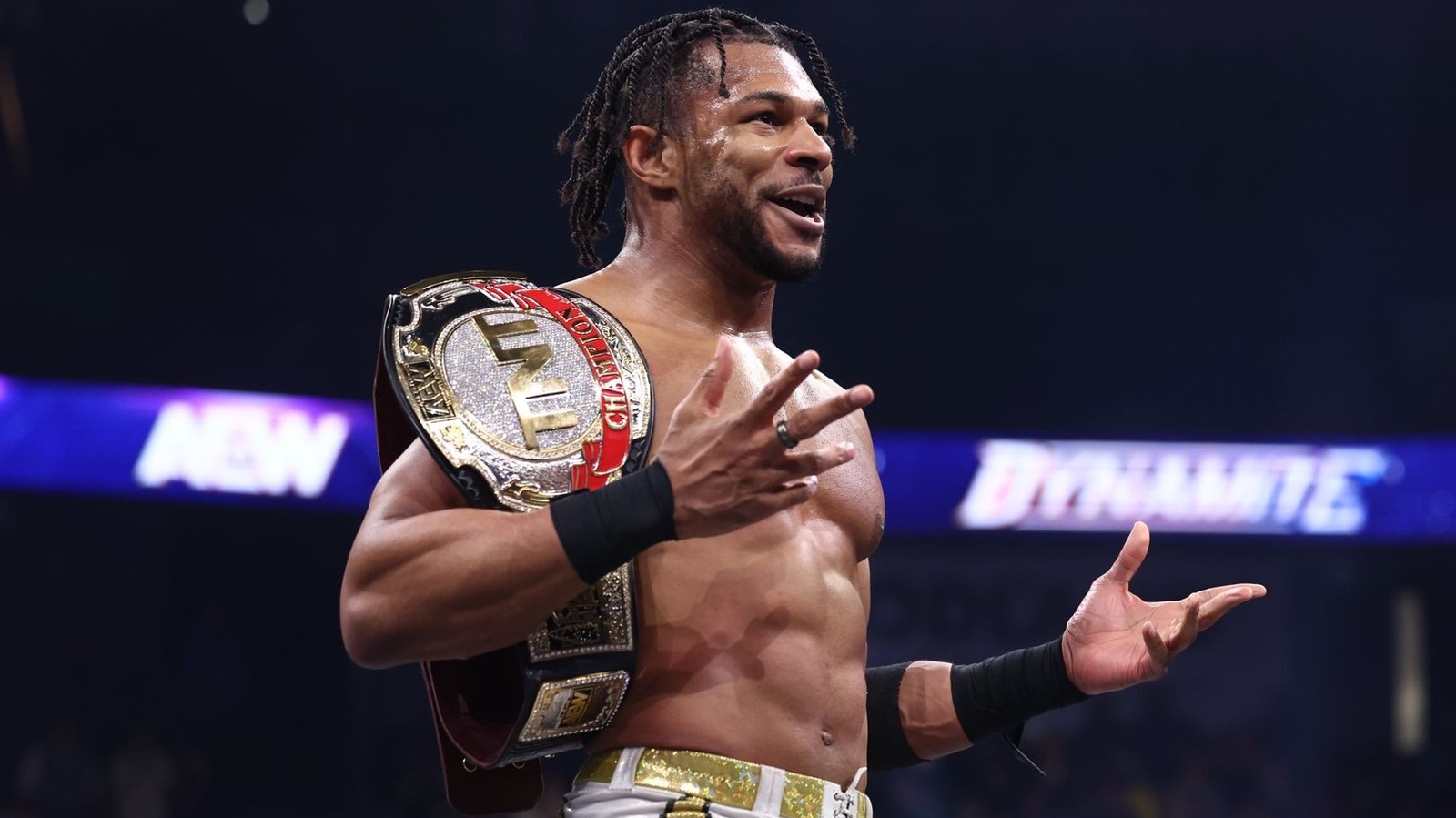
The strategic choice to place the TNT, TBS, and National championships on a single broadcast reveals the pressure to secure home-viewer retention. Kevin Knight challenged Hook for the TNT title, while Willow Nightingale defended the TBS championship against Anna Jay. Despite these high-stakes pairings, the total volume of in-person attendees remains a metric that requires careful scrutiny for future touring logistics.
Comparing the regional output
Contrast this figure with the local circuit outputs observed in smaller markets. The Venice, Florida NXT house show occurred on the same day, focusing on talent development cycles rather than national television broadcasts. The disparity here is not merely in scale but in intended objective: one brand is currently managing a television product's reach, while the other is refining wrestler repetitions.
We have seen NXT maintain a consistent pace in non-televised markets, which serves as a control group for evaluating talent readiness. Meanwhile, as Joshua White reported for PWTorch, the 10-man tag team main event on Collision sought to maximize roster utilization. The math is simple: if you cannot fill the seats with title matches, you must build deeper narratives.
Defining the product value
Booking three titles on one show is a blunt instrument. It pulls the lever on curiosity for the casual viewer, but the 2,451 headcount shows that this tactic has diminishing returns. When the marquee value is high, the drop in ticket sales is more alarming than a soft number on a routine broadcast.
There is a risk in over-saturating the Saturday night window. The industry is currently split between House of Glory events in Los Angeles and the national touring schedule of AEW, forcing fans to choose their allocation of disposable income. If the ticket density does not improve ahead of the next major cycle, we should expect a pivot in how these programs utilize their premium talent.
Booking mistakes remain apparent. Placing three championships on a show with limited market penetration effectively burns through potential 'big match' momentum before larger gate opportunities arise. The 50% occupancy rate—if industry estimates hold—suggests that fans are becoming selective, prioritizing specific performers over title hardware alone.