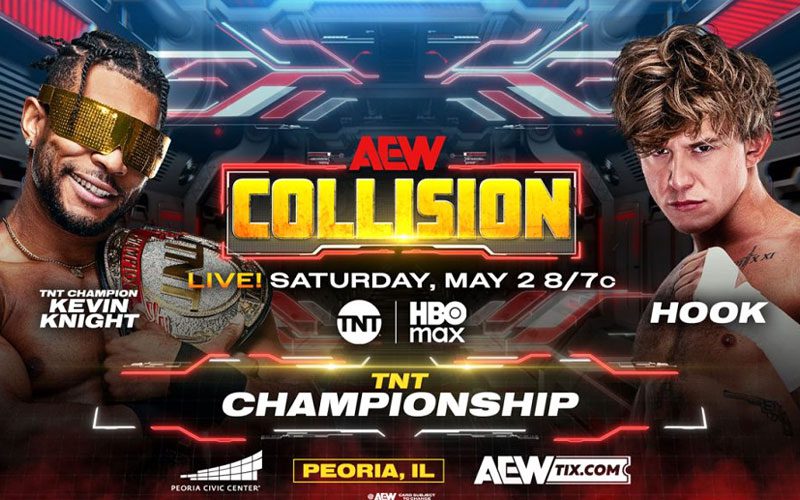
AEW is overstuffing next week’s special and it might backfire
The Three-Hour Trap
Tony Khan is leaning into his most familiar instinct: the heavy-handed stack. By expanding next week’s broadcast into a three-hour marathon combining Dynamite and Collision, AEW is making a loud play for attention just three weeks out from Double or Nothing. It is a move designed to scream importance, yet it risks the very thing that makes the promotion distinct.
History is not on the side of the three-hour wrestling show. We have seen the data from over a decade of WWE Raw broadcasts where the third hour consistently suffers a double-digit percentage drop in viewership. The human brain, even one fueled by the high-octane pacing of the modern work-rate era, has a definitive expiration point for choreographed violence.
When you stack a card with "major matchups" as Ringside News recently detailed, you aren't just giving fans more. You are asking them to maintain a level of emotional investment that is difficult to sustain over 180 minutes. In a standard two-hour Dynamite, the peak usually hits around the 90-minute mark before a main event crescendo. Stretching that timeline forces the middle of the show into a valley that often feels like treading water.
The Pacing Problem
AEW’s tactical approach to matches is inherently exhausting. Unlike the more methodical, rest-hold-heavy style seen in other promotions, AEW talent tends to operate at a 95 percent intensity level from the opening bell. While this creates spectacular individual highlights, it creates a cumulative fatigue for the live audience and the viewer at home.
If you have four high-speed matches in the first two hours, by the time the third hour begins, the novelty of the dive or the complex sequence has worn off. We saw this in the later stages of the Continental Classic; the matches were technically brilliant, but the audience began to react less to the moves and more to the fatigue of the performers. A three-hour block demands a level of variety in match structure that AEW frequently struggles to provide.
To make this work, the booking needs to include "breather" segments—short, impactful promos or character-driven vignettes. However, the current trend suggests Khan prefers to fill every available minute with bell-to-bell action. This is a mistake. Without the contrast of silence or slow-burn storytelling, the high-spots lose their gravity and become mere background noise.
The Brand Identity Crisis
Merging Dynamite and Collision into a single three-hour special effectively erases the thin line remaining between the two brands. Collision was originally pitched as the more grounded, Saturday-night alternative with a distinct aesthetic and roster. By folding it into the Dynamite mid-week machine, AEW is admitting that the brand split is essentially a logistical convenience rather than a creative choice.
This consolidation hurts the long-term value of the Saturday show. If fans can see the Collision main-stayers on a Wednesday special, the incentive to tune in on a Saturday night—already a difficult slot for television—diminishes. It sends a message that the "real" action only happens when the Dynamite banner is flying, relegating the Saturday show to secondary status in the minds of the casual viewer.
Furthermore, the tactical layout of a Collision match often differs from a Dynamite match. Collision has historically allowed for longer heat segments and more traditional psychological builds. When you mix these two styles into a three-hour block, the slower Collision-style matches often feel sluggish compared to the frenetic Dynamite openers. It creates a jarring rhythm that can make the show feel disjointed rather than unified.
Double or Nothing Distractions
We are currently 21 days away from Double or Nothing on May 24. A three-hour special should be the primary engine for building the pay-per-view card. Instead, there is a recurring pattern where these "super-shows" focus more on the immediate gratification of a "dream match" rather than the narrative threads leading to the big event.
If the matches added next week are largely title eliminators or one-off spectacles involving outside talent, they do nothing to raise the stakes for the Las Vegas show. We need to see clear, escalating tension between the champions and their challengers. A 20-minute classic that ends in a clean finish for the sake of a high star rating is a luxury AEW cannot afford right now when the PPV buy-rates are under scrutiny.
The critical failure in recent months has been the lack of a "hook" that survives past the Wednesday night broadcast. By overstuffing this special, AEW is betting that quantity will translate into momentum. But momentum is built on questions: What happens next? Why did he do that? If the show is just a series of closed-loop matches, the viewer finishes the three hours satisfied but not curious. Curiosity is what sells tickets and $50 digital streams.
The Danger of the Spot-Fest
There is a recurring tactical flaw in how AEW manages these extended broadcasts. To keep the energy up, wrestlers often resort to "move spamming"—hitting big maneuvers in rapid succession without allowing the audience to process the impact. In a three-hour window, this becomes a numbing experience.
Consider the 14th minute of a standard trios match. Usually, this is where the chaos peaks. If you have three or four such matches in a single night, the impact of a Canadian Destroyer or a 450 Splash is reduced to that of a simple clothesline. The wrestlers are working harder for smaller returns. It is an unsustainable economy of effort that leads to performer burnout and, more importantly, audience apathy.
A better use of the extra hour would be to give the top stars more time on the microphone. In the current wrestling climate, the biggest draws are characters, not just athletes. While Will Ospreay or Swerve Strickland can carry a 25-minute main event, their ability to command the screen during a five-minute interview is what builds the "must-see" aura that AEW desperately needs to recapture.
A Critical Observation on Booking
The decision to announce "multiple matches" at the last minute also speaks to a lack of long-term planning. While the surprise factor can provide a short-term rating spike, it prevents the promotion from properly marketing specific segments. If a fan doesn't know until Monday that a major star is wrestling on Wednesday, they haven't had the weekend to talk about it on social media or build anticipation with their friends.
AEW's reliance on the "tonight's the night" adrenaline rush is a diminishing asset. Consistent, advertised storytelling is what creates viewing habits. By throwing everything into a three-hour bucket and hoping it splashes, Tony Khan is avoiding the harder work of disciplined, week-to-week narrative construction. It is the booking equivalent of a sugar high—intense, immediate, but followed by an inevitable crash.
We have to look at the stats: AEW’s attendance in certain markets has dipped when the cards aren't clearly defined 10 days in advance. People want to know what they are paying for. A three-hour show is a massive time commitment. If the promotion doesn't respect the viewer's time by providing a structured, logical reason for that extra hour, they shouldn't be surprised when the third-hour numbers start to look like a ghost town.
Looking Ahead to Double or Nothing
As we approach the May 24 date, this special needs to be the turning point. It cannot just be a "best of" compilation of the roster. We need to see the hierarchy of the divisions re-established. Who is the definitive number one contender for the International Title? Where does the Tag Team division stand after the recent tournament shakeups?
The technical proficiency of the AEW roster is undisputed. From the opening lock-up to the final pinfall, the execution is usually flawless. But wrestling is more than just execution; it is about the spaces between the moves. If next week’s three-hour special doesn't find a way to fill those spaces with compelling reasons to care, it will just be another long night in a very long month.
The goal should be to leave the audience wanting more, not checking their watches. If AEW finishes the night with a 1.2 million viewer peak but drops to 700,000 by the 11 PM mark, the experiment will be a failure regardless of how many five-star matches took place. It is time for Tony Khan to prioritize the macro over the micro, the story over the stunt, and the fan's endurance over his own desire to play with every toy in the box at once.
- AEW Dynamite/Collision Special: Wednesday, May 6, 2026
- AEW Double or Nothing: Sunday, May 24, 2026
- UCL Final (for context): Thursday, May 28, 2026
The next few weeks will define the trajectory for the rest of the year. If this three-hour special feels like a slog, the road to Double or Nothing is going to feel very steep indeed. AEW has the talent to make this work, but they need the discipline to match it. More is not always better; sometimes, more is just more.
Read Next
- Tony Khan is pushing the three-hour limit and the numbers are worrying
- AEW Collision's post-show videos expose a glaring television flaw
- Tony Khan sees the future in Kevin Knight but the real gold is elsewhere
- Why The New Day jumping to AEW is Tony Khan's biggest mathematical gamble
- 🎲 AEW Double or Nothing 2026 — Full Coverage Hub
WWE Elite Collection Series 126 Roman Reigns Action Figure
A master-class in detail featuring the Tribal Chief in his latest WrestleMania g
More Coverage
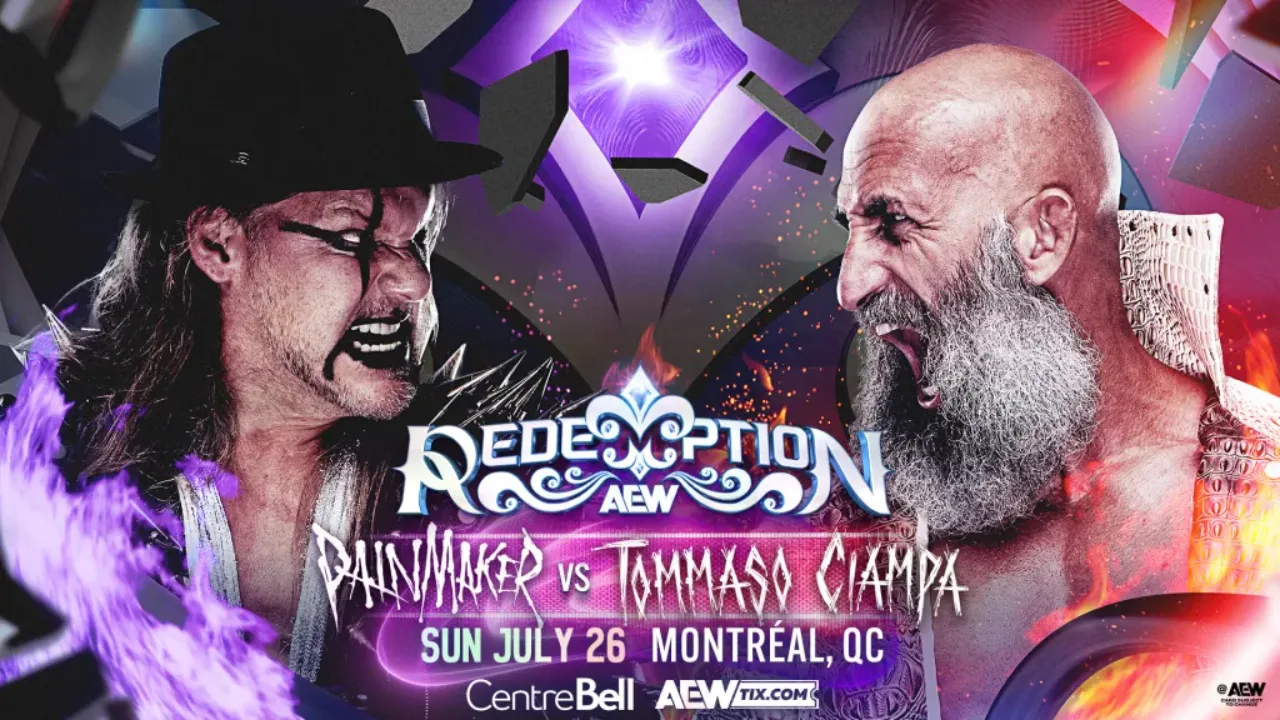
AEW's math problem for Redemption in Montreal
2 hours ago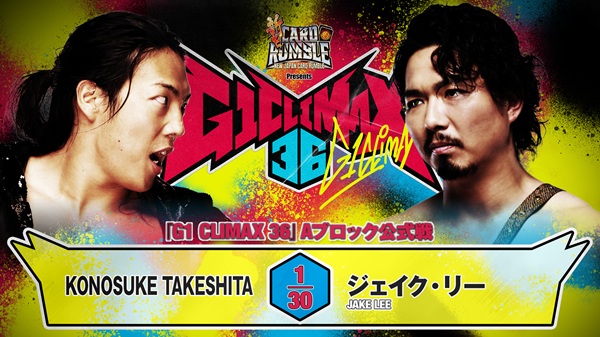
NJPW G1 Climax 36 is already pushing bodies to the brink
10 hours ago
AEW's Redemption card is a mess of missing pieces and bad timing
12 hours ago
TNA is clearing house and the rebuild will be brutal
13 hours ago
AEW medical department faces pressure as mid-card injury list expands
13 hours ago
AEW and TNA are fighting two very different data wars
13 hours agoMore Analysis
Tony Khan is pushing the three-hour limit and the numbers are worrying
2 months, 2 weeks ago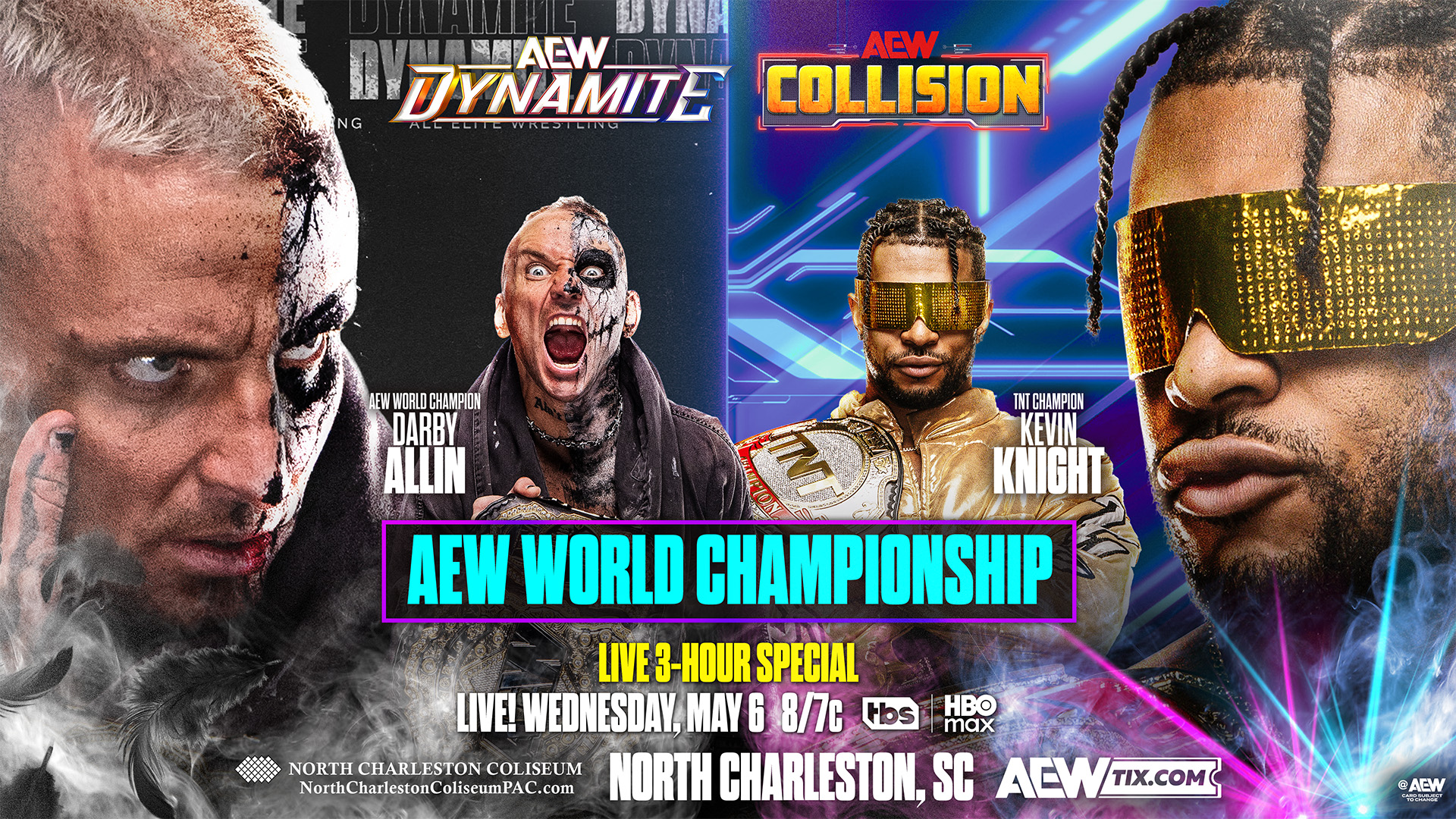
AEW is throwing everything at the wall for tonight's Dynamite
2 months, 2 weeks ago
AEW Double or Nothing is a crossroads for the company
2 months ago