
AEW and TNA are fighting two very different data wars
Measuring the actual weight of the July 16 surge
When the dust settled on the July 16, 2026, broadcast of Impact, the data offered a tantalizing narrative for TNA leadership. A massive increase in viewership across the AMC network suggests that something in the current creative rotation is hitting a nerve with the cable-viewing audience.
It is not enough to point at the raw totals and declare a victory. In the current market, context is everything. TNA has successfully leveraged a distribution shift, moving their product into a space where the competition is fierce but the discovery rate is potentially higher if the lead-in programming lands correctly.
The metrics behind the July 16 spike
The numbers from the July 16 broadcast are difficult to ignore. TNA recorded its largest audience to date on the AMC platform, a mark that validates the company's decision to shift its distribution strategy. As recent reports indicate, the ceiling for mid-sized promotions is higher than many analysts predicted just six months into the year.
However, TNA remains a company balancing on a wire. While the July 16 growth indicates that viewers are finding the channel, retaining that base during the inevitable creative cooling-off period is another matter entirely. The pacing of the July 16 episode felt frantic, relying on high-spot sequences that often lacked the structural buildup required to manufacture long-term brand loyalty.
Khan is playing a different game
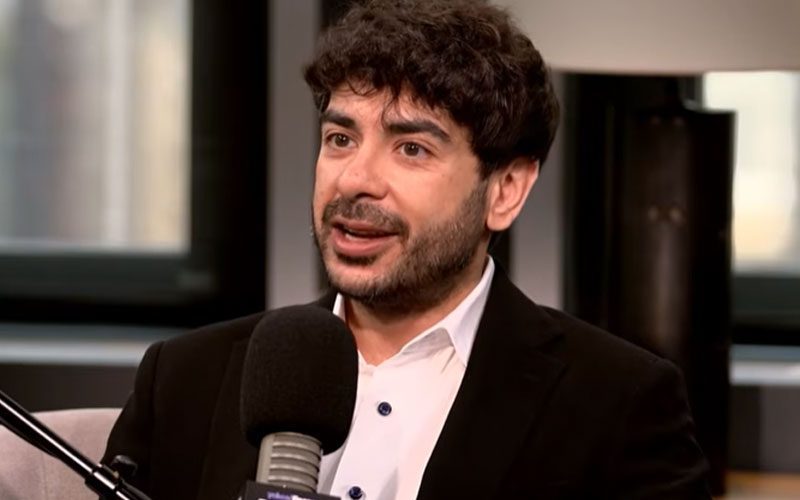
While TNA celebrates its AMC discovery, Tony Khan is publicly steering AEW toward a metric of "all-time high" interest. The strategy from the AEW front office ignores the traditional Nielsen cable metrics that have caused so much online hand-wringing. Instead, Khan argues that the true measure of success lies in wider digital engagement and ticket demand.
It is a bold deflection if you look at the raw cable numbers, which have been stagnant for months. By broadening the definition of a "win" to include non-linear growth, Khan is creating a buffer against a TV market that is objectively shrinking. Whether this satisfies the stakeholders long-term depends on if those digital eyes eventually manifest in the renewal offers that keep AEW on air.
Where the data fails to mask the booking fatigue
There is a dangerous amount of self-congratulation occurring in professional wrestling front offices right now. TNA has found a spark with its new distribution, but the actual match quality on the July 16 outing featured a notable lack of selling in the tag team main event. A 12-minute match involving four performers should not result in a sequence where everyone hits their finishing move without anyone actually effectively putting their opponent away until the final buzzer.
AEW suffers from a similar malaise in its mid-card storytelling. Khan claims interest is at an all-time high, yet we see recurrent patterns of disqualification finishes and interference-heavy segments that serve to protect win-loss records rather than elevate the talent involved. Protecting a record only matters if the audience believes the outcome was earned, not manufactured by a run-in.
The reality check for the second half of 2026
History suggests that viewership spikes are often cyclical. TNA sits at a junction where every subsequent episode must prove the July 16 figure was not an anomaly caused by a lead-in program or a lack of alternative live sports programming. If the numbers dip back toward the historical average by early August, the "victory" was effectively a mirage.
AEW is in a different phase, attempting to convince a cynical media market that cable decay is purely a function of outdated tracking. If attendance drops below a certain threshold or merchandise sales hit a plateau, the argument that "interest is at an all-time high" becomes a hollow soundbite. The next 90 days will be the true test for both promotions.
Performance isn't just about the peak; it is about the floor. Until AEW and TNA can show they have a consistent floor of engaged, paying viewers who aren't just tuning in for an occasional spectacle, these claims of growth are premature. We are tracking a business that is becoming 15% more volatile every quarter.
For the fan, this environment requires a sharp eye. Stop looking at the press releases and start looking at the crowd interaction during the third and fourth segments of the show. If the energy is there when the main event stars are in the ring, the promotion has a path forward. If the crowd is watching the back of their eyelids until the pyro hits, the ratings spike is just a math error waiting to be corrected.
WWE Encyclopedia of Sports Entertainment New Edition
The massive 416-page 'Holy Grail' of wrestling history updated for 2026.
Frequently Asked Questions
How did TNA achieve its viewership spike on July 16?
What is Tony Khan’s public strategy for measuring AEW’s success?
What concerns do analysts have about TNA's recent growth?
Why are AEW’s cable numbers being questioned?
What are the common criticisms regarding match quality in TNA and AEW?
More Coverage
TNA is bleeding out its personality and nobody is safe
9 hours ago
AEW's Redemption card is a mess of missing pieces and bad timing
9 hours ago
TNA is cleaning house and leaving fans with more questions than answers
10 hours ago
AEW medical department faces pressure as mid-card injury list expands
10 hours ago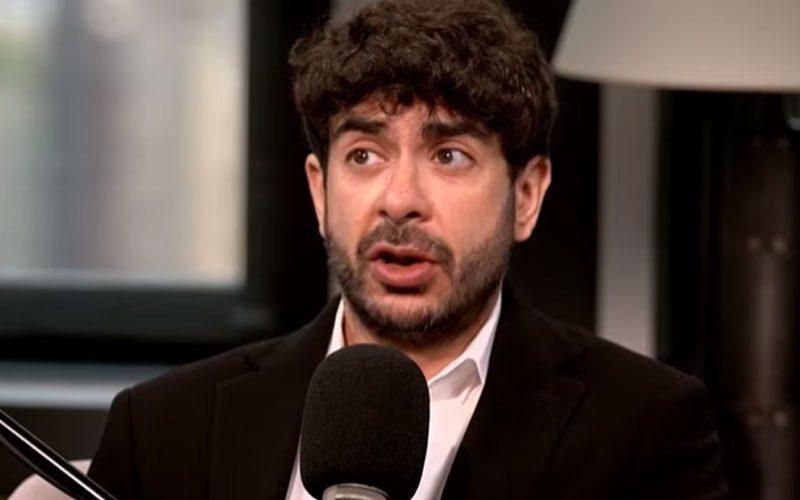
TNA is balancing on a wire as ratings climb
11 hours ago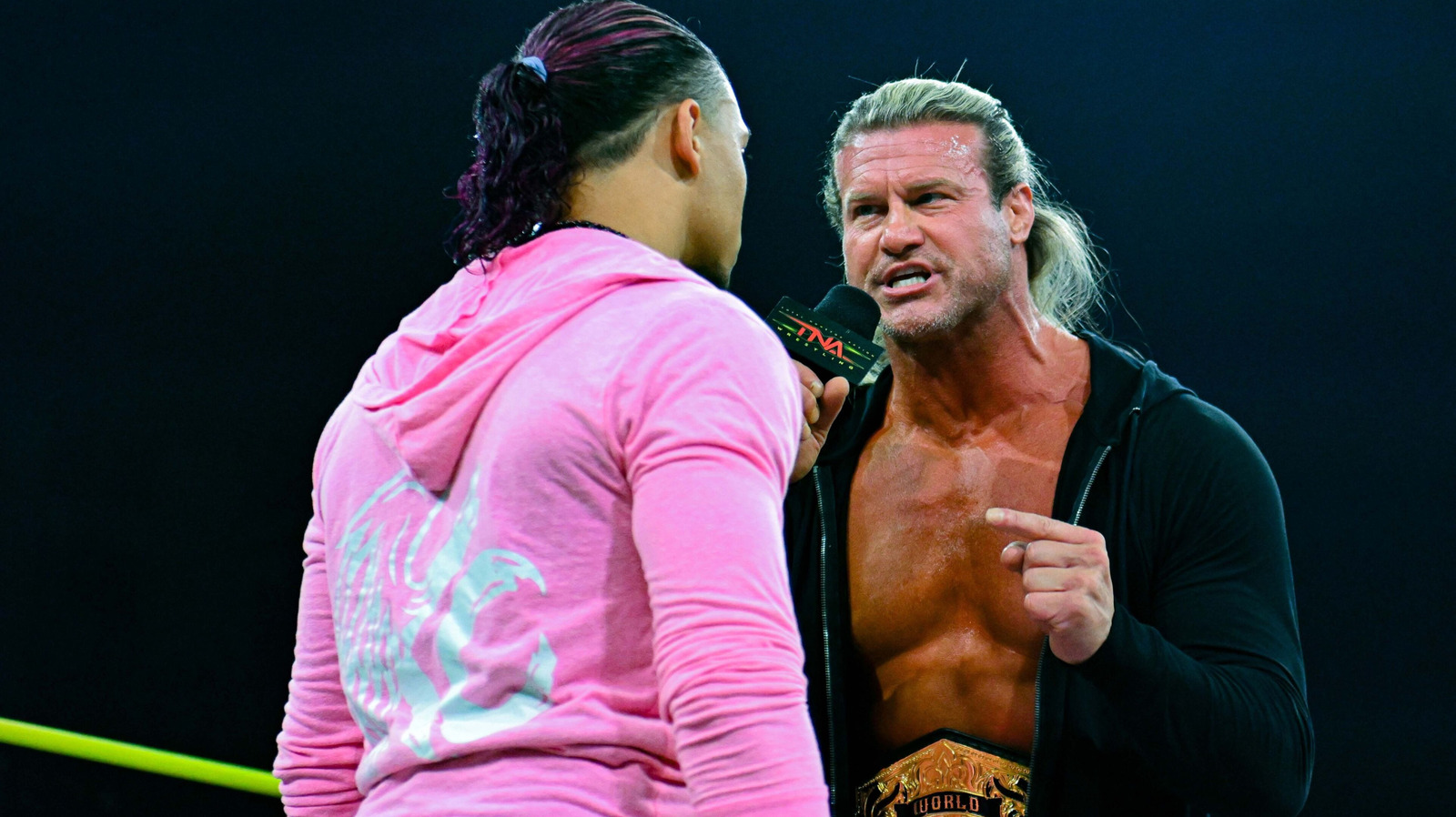
Is TNA's recent viewership spike a fluke or a turning point?
11 hours agoMore Analysis
TNA's first quarter on AMC proves that reach isn't everything
3 months ago
Why TNA's bizarre AMC ratings split forces an inevitable timeslot shift
3 months ago
TNA and AEW are locked in a Thursday night stalemate
2 months, 4 weeks ago
TNA is quietly winning the battle for consistency
3 weeks, 5 days ago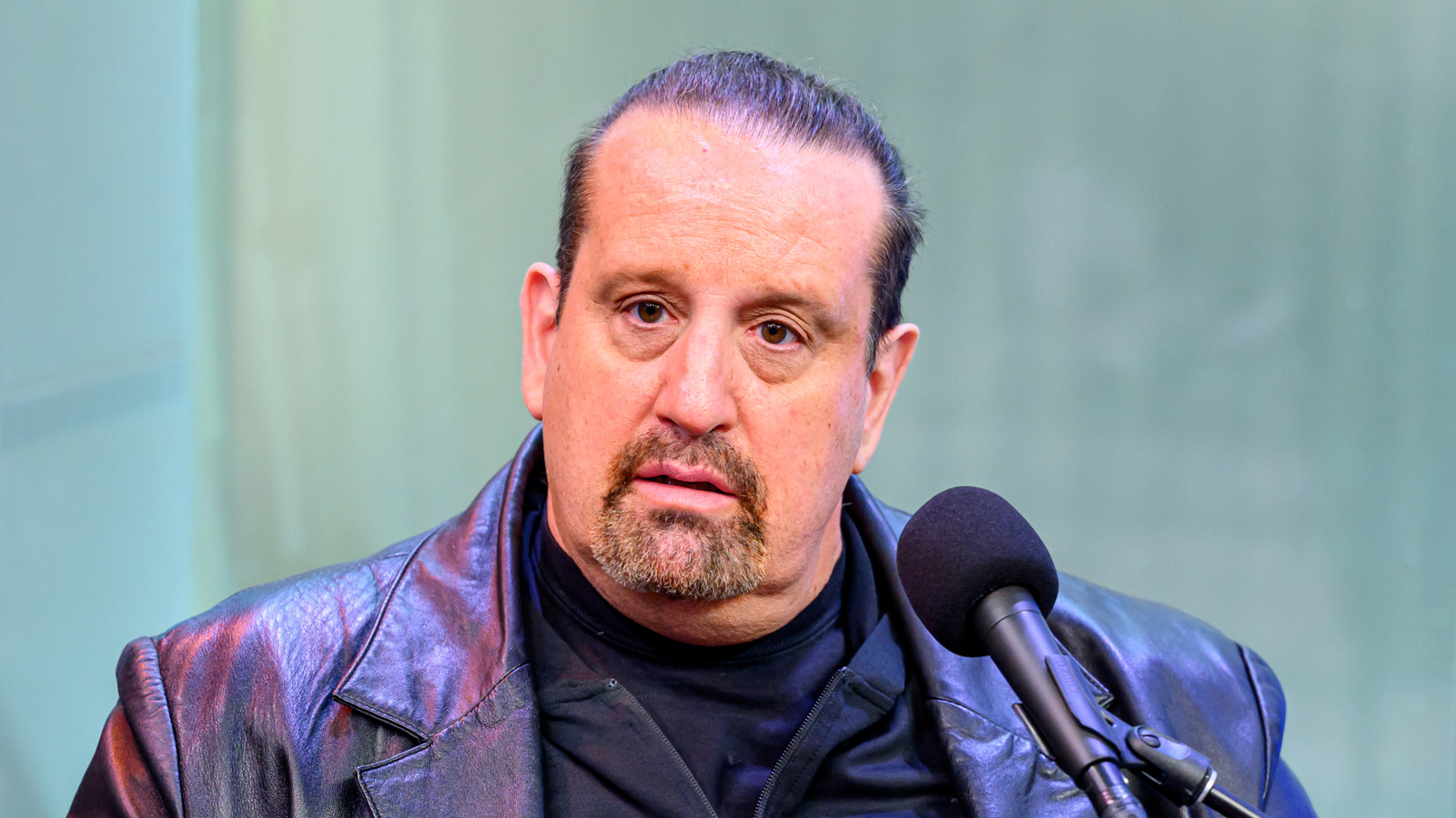
Why Dynamite and TNA Impact are facing a massive television reality check
2 weeks, 5 days ago