The metrics behind the July 16 spike
The numbers from the July 16 broadcast are difficult to ignore. TNA recorded its largest audience to date on the AMC platform, a mark that validates the company's decision to shift its distribution strategy. As recent reports indicate, this isn't just a minor fluctuation; it represents a genuine expansion of the viewership base.
However, we have seen this pattern before. TNA often captures lightning in a bottle through specific matchups, only to struggle with retention when the narrative focus shifts. The viewership surge serves as a baseline, not a conclusion. Consistent growth requires a product that avoids the temptation of relying on one-off spectacles to carry the schedule.
The strategic pivot and the danger of complacency
Consistency has been the primary flaw in recent booking cycles. The creative team excels at high-stakes main events but frequently falls into the trap of slow, exposition-heavy television in the second hour. A mid-card match that fails to build a credible threat to the championship status quo is a wasted opportunity to capitalize on these new viewers.
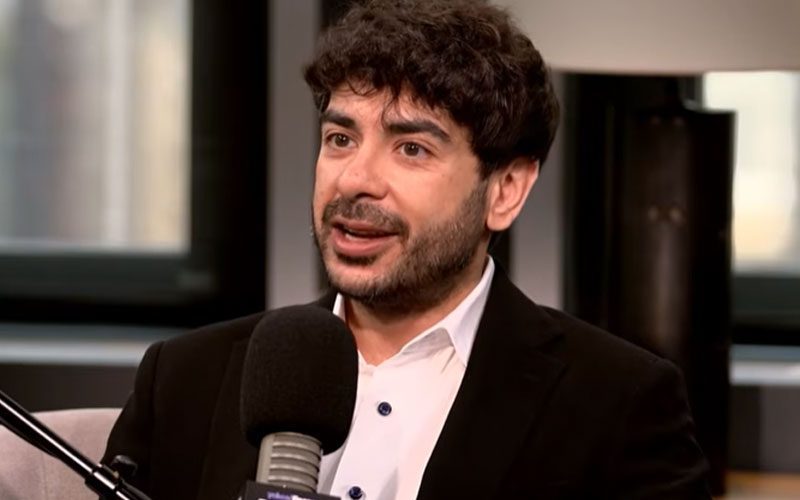
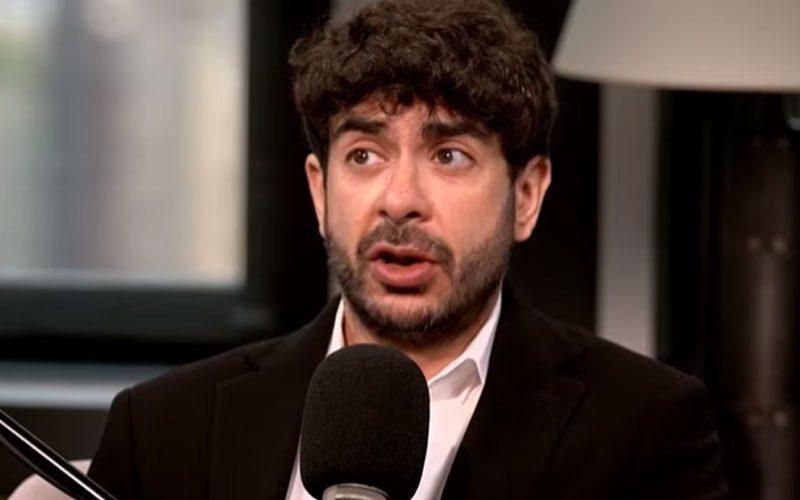
There is also the matter of external competition. While TNA occupies its specific lane, the broader media market is tightening. Tony Khan is already mapping out moves with Paramount to expand AEW’s reach into streaming, as noted by recent comments regarding the Warner Bros. Discovery alignment. If the industry giants successfully lower the barrier to entry for their content, TNA must ensure their quality remains distinct enough to discourage channel surfing.
Predicting the ceiling for summer momentum
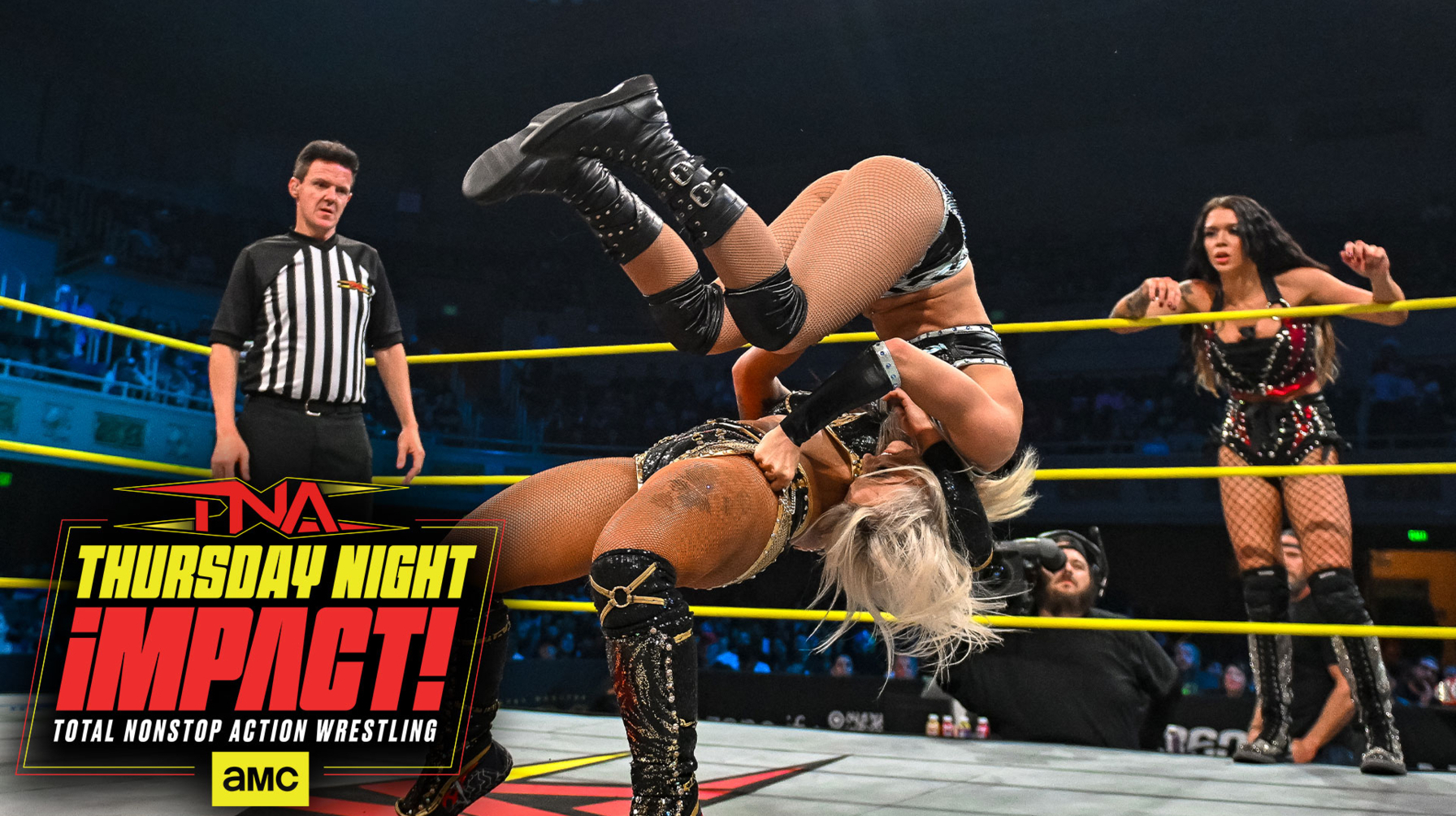
Watching the movement of talent on the roster, the current focus on building a sustainable contender for the top title is encouraging. We need to see more technical nuance in the mid-card ring work. Too many matches dissolve into chaotic brawls that lack a coherent finishing sequence, which discourages the analytical viewer.
The current upward trend is undeniably impressive 34 percent higher than the annual average for the same period. This indicates a audience that is actively seeking an alternative to the monolithic wrestling brands. If they maintain this pacing, the company could end the quarter in its strongest financial position since the relaunch.
My prediction? The next two weeks will see a cooling period in the ratings. TNA will likely settle into a comfortable, albeit slightly lower, viewership floor once the curiosity seekers from the July 16 spike have checked out the product and made their decisions. They will retain roughly 85 percent of the new audience if the creative team commits to faster, less repetitive pacing before the next major event. Booking for the sake of holding ground is a trap; booking for the sake of progress is the only way to avoid stagnation.