Measuring 2026: The Shifts That Mattered
The wrestling business is currently dictated by massive media rights adjustments and a desperate race for audience retention. We rank the most significant developments based on long-term implications for the industry hierarchy.
The Critical Top 10
1. The WBD-Paramount Integration
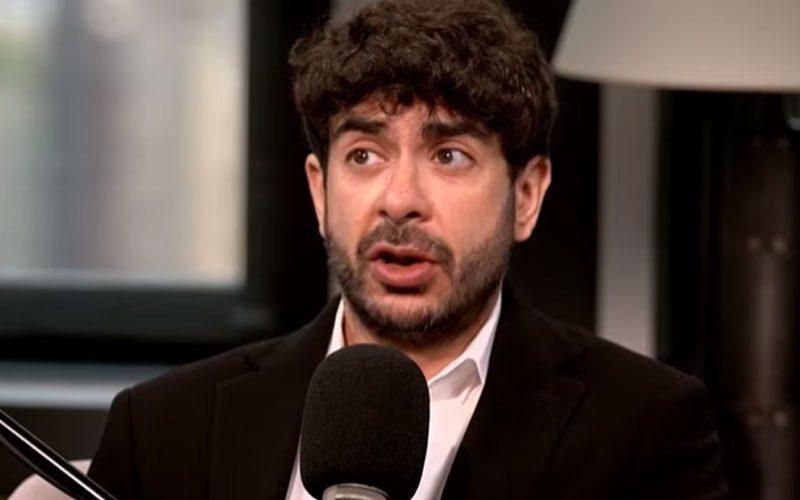
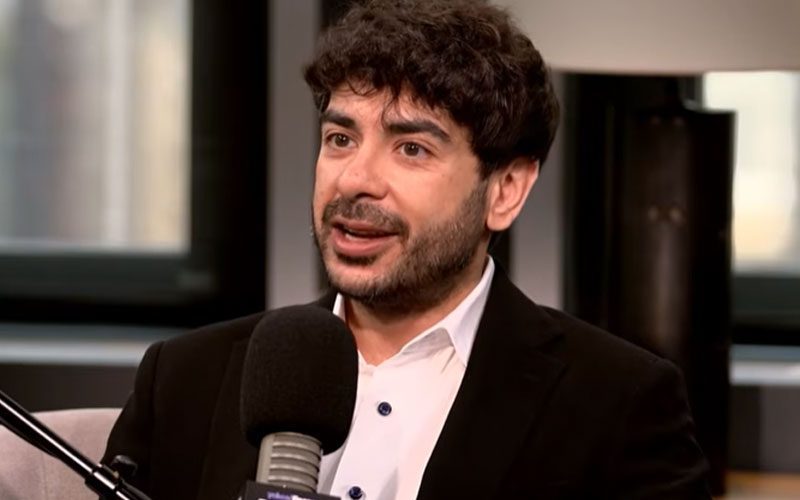
Tony Khan recently touted the potential for AEW to inhabit new distribution channels following the Warner Bros. Discovery alignment. This is the most significant strategic maneuver of the year for the promotion. It creates a massive logistical headache but offers a pathway to wider domestic penetration.
2. G1 Climax 36 Opening Weekend
The kickoff in Hokkaido fundamentally altered the NJPW creative trajectory. We saw established stars take clean pins in the first 72 hours, disrupting the usual block hierarchy. The momentum shift is undeniable, even if the pacing of the undercard remains uneven.
3. The AEW Ratings Rebound
As reported by Ringside News, Tony Khan has cited double-digit growth in viewership. These metrics are the primary weapon in the ongoing war for network approval. Whether this trend survives the fall season is the real question.
4. Zack Sabre Jr.’s G1 Dominance
Sabre has established himself as the most dangerous technician in the current field. His ability to finish matches with high-leverage submissions before the 15-minute mark has forced opponents to exhaust their cardio early. He is the clear favorite to emerge from his block.
5. The Paramount Creative Integration
Merging two massive entertainment entities is easier on paper than in practice. AEW attempting to maximize reach through this deal is a gamble that could alienate their loyal base if not handled with nuance. The execution will determine the success of their Q4 projections.
6. NJPW Roster Contraction
The current G1 field feels tighter, but the lack of depth below the main event level is concerning. Several mid-carders struggled to engage the Hokkaido audience during the opening weekend. When veterans are missing, the drop in match quality is glaringly obvious.
7. The Warner Bros. Discovery Renewal Looming
The uncertainty regarding long-term deal cycles casts a shadow over everything AEW does in terms of booking. Shows are being produced with the clear intent of impressing network executives rather than building long-term narrative tension. It is a necessary evil but hurts the organic feel of their programming.
8. Hokkaido Attendance Disparity
While the wrestling output was sharp, the venue capacity in Hokkaido exposed gaps in the current NJPW tour strategy. Filling out lower-tier arenas remains a headache for management. Promoters must address this before the tour hits the Tokyo circuit.
9. The Technical Revolution in NJPW
The shift away from high-impact brawls toward technical chain wrestling in the G1 is polarizing. Purists love the technical sequences but the pacing feels sluggish for the casual viewer. It is a risky stylistic choice that complicates domestic TV appeal.
10. The 2026 Scheduling Crunch
Increased density in major shows has left the roster physically fried. Injuries in the early stages of tournament play are more frequent than in previous years. Management requires a smarter load-management strategy to ensure talent stays active for the season finale.
The Big Picture
The professional wrestling business in 2026 is trapped between maximizing short-term television revenue and maintaining a sustainable tour cadence. Every promotion is playing a game of catch-up with shifting digital consumption habits.
Honorable Mentions
The rise of independent collaborative cards and the quiet expiration of several secondary talent contracts bear watching as we move into the tail end of the summer. These developments are minor now but could trigger significant roster moves before the calendar flips to 2027.