
Is TNA's recent viewership spike a fluke or a turning point?
Measuring the actual weight of the July 16 surge
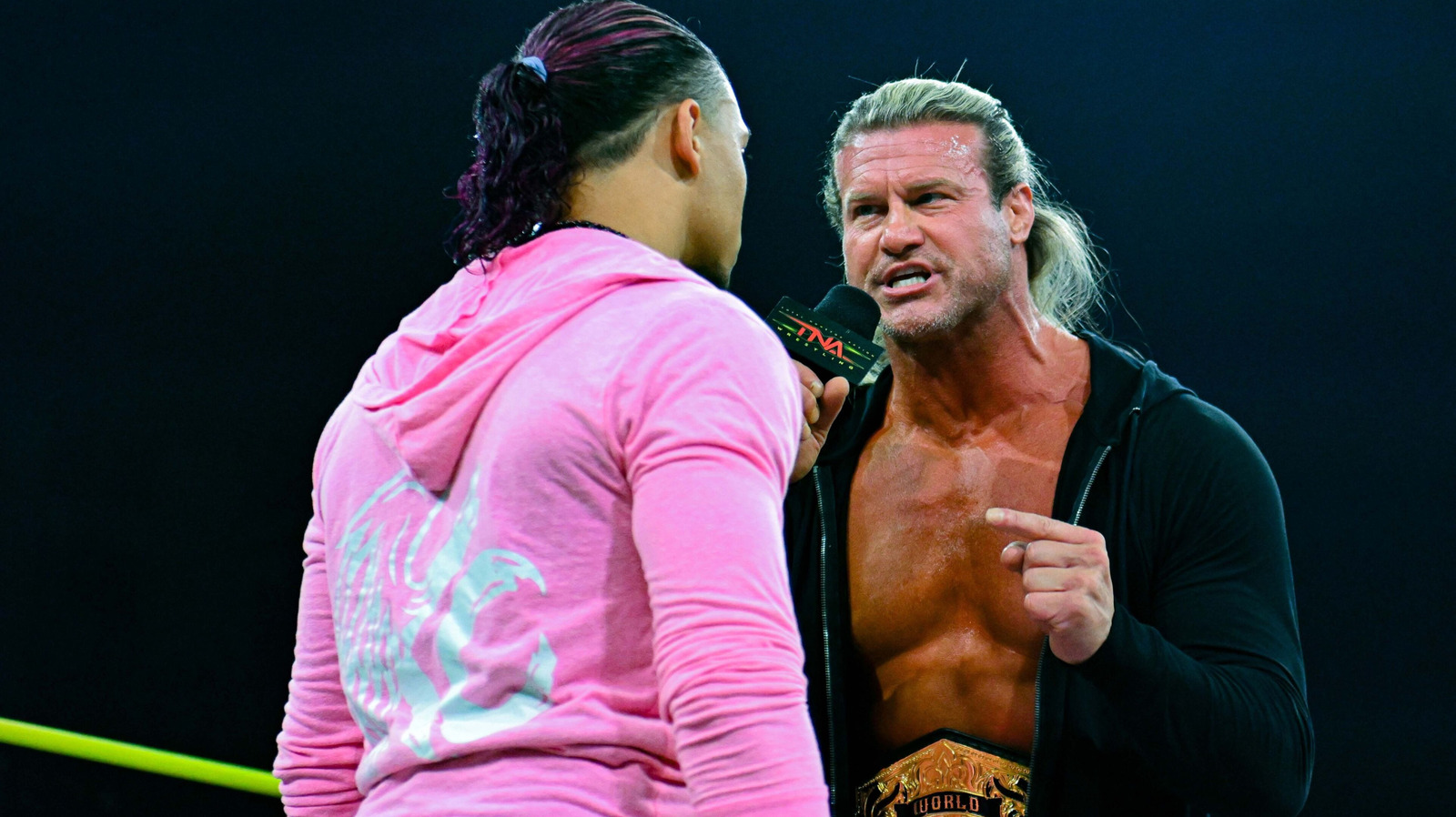
When the dust settled on the July 16, 2026, broadcast of Impact, the data offered a tantalizing narrative for TNA leadership. A massive increase in viewership across the AMC network suggests that something in the current creative formula is resonating with a wider segment of the wrestling public. Analysts who have spent months tracking the slow-burn rebuild were quick to call this a potential turning point for the promotion.
However, tactical analysis requires peeling back the surface layer of the ratings. While the raw number growth for the 7/16 episode was the largest to date on the platform, we must look at what actually filled the two-hour block. If the content does not match the spike, the audience churn rate will negate these gains faster than they materialized.
The content pipeline versus the audience feedback loop
We know from reports on upcoming scheduling that the company is leaning hard into established main events for the next fortnight. Relying on marquee matches is a tried-and-true method to retain a ballooning audience, but it creates a dangerous dependency. If the storytelling surrounding these matches lacks gravity, the casual viewer who tuned in on July 16 will find little reason to stick around for the second follow-up installment.
The discrepancy between a strong ratings night and the actual mechanics of the show is where the real struggle lies. On the July 17 Xplosion report, we saw standard card maintenance that, while functional for filling airtime, lacks the narrative intensity required to convert a spike into a sustainable trend. Efficient booking does not mean filling minutes; it means ensuring every segment has a clear hook for the next week.
Missing the mark on character identity
We are currently seeing a disconnect in how talent is positioned within the show structure. Frankie Kazarian recently pointed toward the creative rot associated with legacy characters like Suicide, which underscores a refusal to adapt. If TNA continues to tether its current momentum to dated concepts, the 7/16 growth will look like a historical anomaly rather than the start of a period of sustained health.
The promotion currently relies on a format that feels increasingly static. By focusing on the same types of matches without evolving the stakes or the stakes-based psychology, the booking office risks alienating the very fans who just paid attention for the first time. There is a fine line between a character refresh and a total identity collapse, and the current product is flirting with the latter.
Sustainability beyond the raw decimals
Looking at the latest viewership report, the increase peaked specifically at 0.34 in the 18-49 demographic. That figure is the only metric that matters to stakeholders. If the creative team cannot provide a compelling reason for that demographic to return for the third hour, the platform will view this as a one-off performance.
The current reliance on marquee main events is a short-term tactical fix. You can sell an audience once on a card, but you cannot hold them without a compelling narrative arc that stretches across months, not just nights. The company has a window of exactly 14 days before the market determines if the July 16 surge was built on quality or simply a lack of competing channel options.
If the promotion continues to prioritize standard wrestling segments over character elevation, the bounce-back will be stark. We need to see more than just a big match listing on a marquee. Real growth requires a willingness to drop the dead weight of older characters and push the next generation into the center of the ring, not just let them perform in the undercard shadows.
Expectations for the next two weeks are high, but the evidence remains thin. Turning a bump in viewership into a long-term habit is the most difficult challenge in professional wrestling. With a record growth of 18 percent over the previous week, the pressure on the creative team has never been greater. One misstep, one boring main event, and those gains will evaporate.
Funko Pop! WWE: Roman Reigns (Wreck Everyone) Amazon Exclusive
Acknowledge your Tribal Chief in vinyl form.
Frequently Asked Questions
When did TNA experience its recent massive viewership spike?
What was the peak rating for TNA's July 16 broadcast?
How is TNA planning to retain its newly acquired viewership?
Who criticized TNA's creative decisions regarding legacy characters?
What issue did the July 17 Xplosion report highlight?
More Coverage
Steve Maclin and Sami Callihan are leaving TNA and AEW is ready to pounce
4 hours ago
NJPW G1 Climax 36 is already pushing bodies to the brink
10 hours agoTNA is bleeding out its personality and nobody is safe
12 hours ago
AEW's Redemption card is a mess of missing pieces and bad timing
12 hours ago
TNA is clearing house and the rebuild will be brutal
13 hours ago
TNA is cleaning house and leaving fans with more questions than answers
13 hours agoMore Analysis
TNA is balancing on a wire as ratings climb
13 hours ago
TNA is peaking at the right time but the momentum is fragile
14 hours agoTNA is betting that Slammiversary momentum can fix their ratings slide
4 weeks ago
TNA is walking a thin line between growth and irrelevance
1 month, 2 weeks ago
TNA just had a massive ratings spike and we need to talk about it
2 months, 3 weeks ago