The tarmac becomes the ring
New Japan Pro-Wrestling has decided that traditional arenas are no longer sufficient. On July 20, 2026, the promotion confirmed plans to hold an event inside Hokkaido Airport this coming autumn. This move follows a long history of NJPW utilizing non-traditional spaces to boost visibility, but the logistics of an airport floor present a unique set of challenges regarding acoustics and crowd flow.
As Wrestling Inc reported, the choice of venue is clearly designed to capture foot traffic and international curiosity. However, an airport is inherently functional. A standard elevated ring setup requires stable flooring, and managing sound dampening in a cavernous transport hub is a recipe for a fractured aesthetic. This is not the first time a major promotion has attempted high-concept location scouting, but the functional constraints here are significantly tighter than a park or an outdoor stadium.
Tactical risks of the location
From a product perspective, these novelty shows often struggle with consistent presentation. Wrestling thrives on controlled lighting and tiered seating that focuses the viewer’s eye. Placing a ring in the middle of a transit terminal as noted in the latest F4WOnline updates introduces massive sightline issues. Unless the promotion plans to erect temporary bleachers on three sides, fans will be stuck watching from a distance, or worse, through the backs of security guards.
The pacing of the matches is bound to be impacted. Performers who rely on high-flying maneuvers will likely have to scale back due to the concrete flooring typically found in airport terminals. We aren't expecting a 30-minute technical masterpiece that relies on complex sequences on the floor. Instead, expect a card built around stiff striking and shorter, punchy encounters that respect the transit-heavy nature of the space.
The booking reality
Critically, the move looks like a desperate attempt to pivot away from declining attendance figures in secondary regions. While the branding is ambitious, the execution feels disjointed from NJPW's classic identity as a serious, hard-hitting sport. If the matches lack intensity or settle for comedy to suit the setting, the promotion risks alienating the core audience that values the King of Sports presentation.
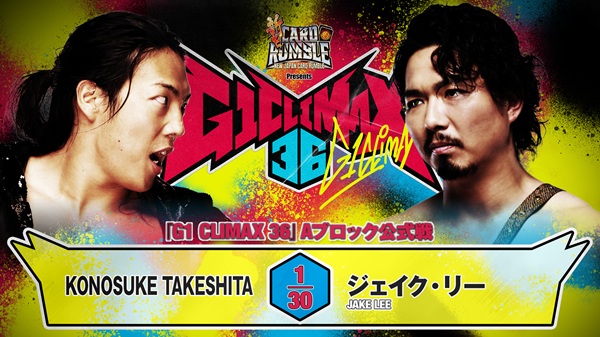
Predicting the outcome of this specific event is difficult, but history suggests a middling result. My take is that the cards will play out in roughly 15-minute bursts to avoid passenger congestion. Any match exceeding 20 minutes will see the crowd's focus fracture as arrivals and departures dominate the periphery. Look for a main event filled with safe, high-impact moves, likely ending in a pinfall rather than a submission to keep the energy up. It will be a visual spectacle, but it will not be the high-level technical showcase that defines the best of the G1 Climax.