The grind before the big stage
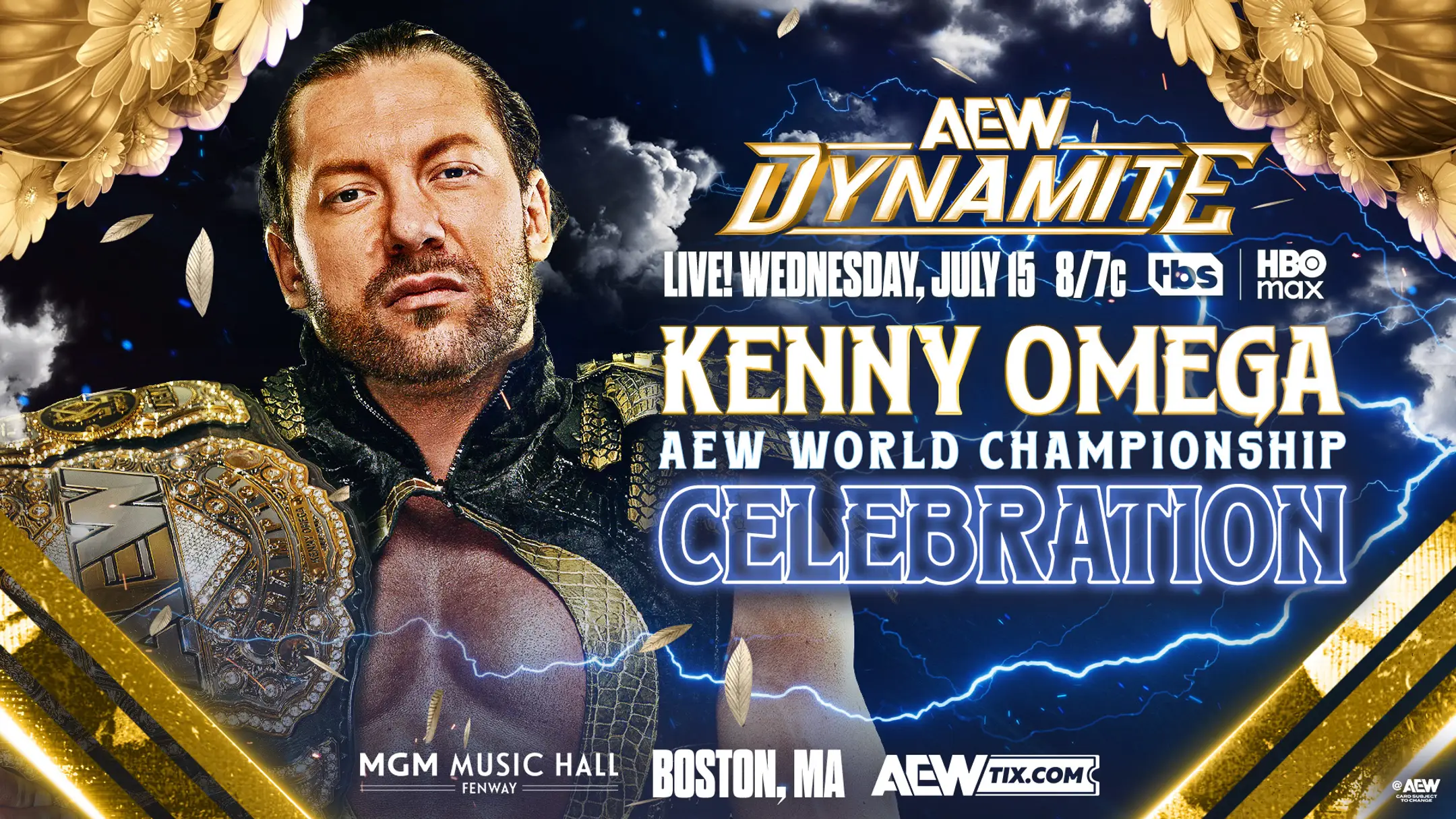
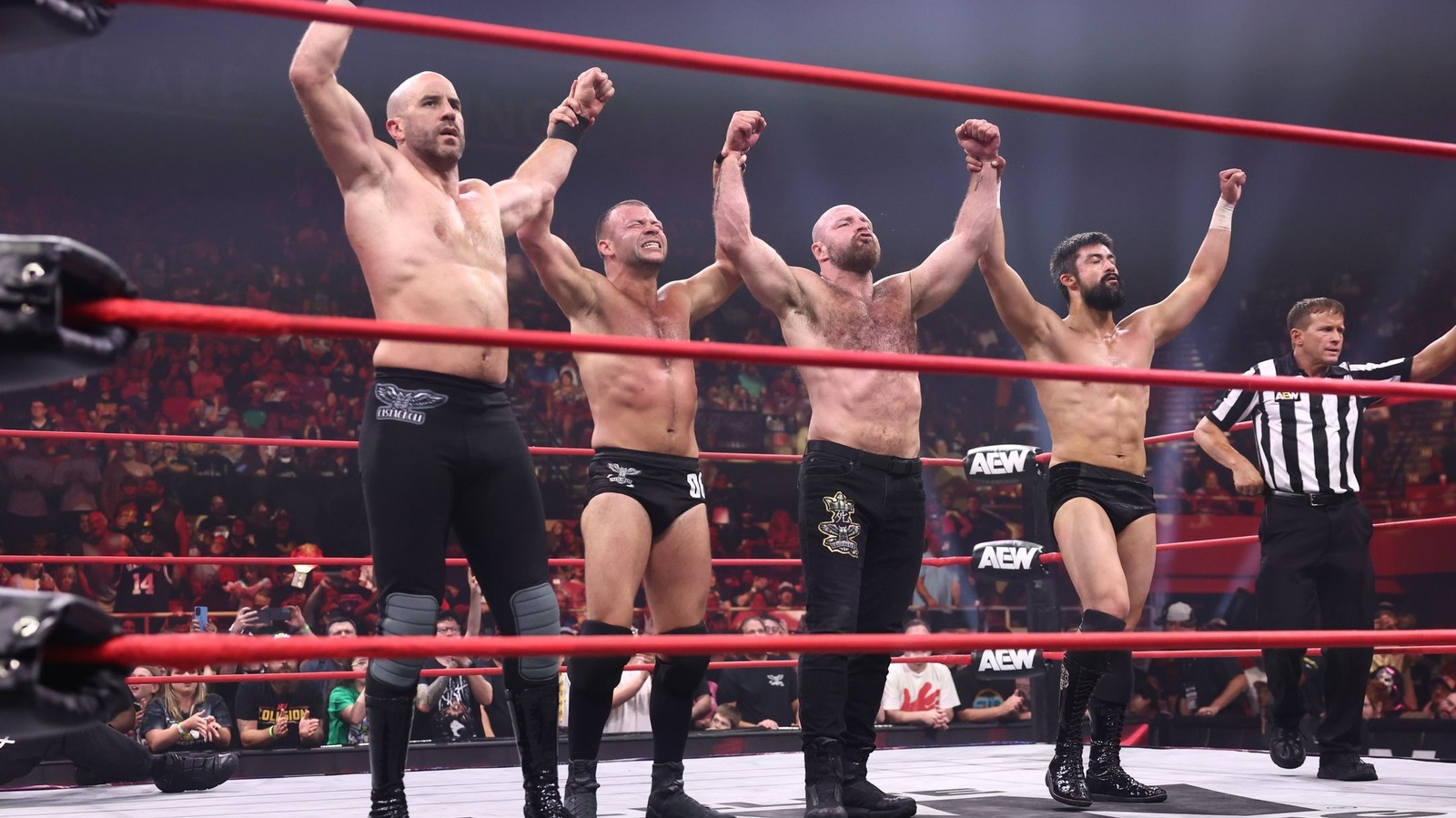
AEW Collision turns to Boston this week with a card that suggests the company is currently idling. Following the latest taping, the direction for the promotion feels less like a narrative sprint and more like a series of exhibition matches designed to burn television time. When you strip away the lights and the pyrotechnics, the fundamental issue remains a lack of coherent stakes for the mid-card talent.
The spoilers emerging from the Boston taping reveal a reliance on familiar faces navigating predictable matchups. Relying on established stars without meaningful development creates a stagnant product. We are seeing high-level work rate, certainly, but it occurs in a vacuum. A wrestling promotion without a clear objective for its tertiary stories eventually loses the audience's attention.
The booking blind spot
The reliance on short-term fixes during tapings like these often masks a deeper problem. The recent AEW Collision spoilers indicate that the creative team is cycling through established talent to fill the airtime rather than pushing fresh contenders. This is a recurring trend where the match quality is high, but the long-term impact on the rankings or character arcs is nonexistent.
Take, for instance, the pacing of the undercard. We see technical exchanges that occupy 12 minutes of airtime without a clear narrative beat to conclude them. When the creative team treats every match as an end unto itself, the viewer has no incentive to invest in the outcome. A win-loss record means little when the booking prioritizes the match duration over individual character progression.
Where the execution falls short
There is a specific lack of urgency in the current product. The matches at the Boston taping, while athletic, failed to advance the primary feuds heading into the next pay-per-view cycle. If you aren't building toward a main event clash, you are essentially spinning your wheels. The reliance on multi-man tags to feature as many bodies as possible serves only to dilute the importance of the individual wrestlers involved.
It is difficult to maintain momentum when the show treats itself as a side project rather than a primary destination. The lack of distinct storytelling for the television-specific belts is glaring. Without a shift in how these segments are structured, the audience will continue to drift away from the mid-show segments in favor of highlights alone.
The outlook for Saturday
Expect a polished presentation in Boston, but do not look for any seismic shifts in the hierarchy. The promotion will likely stick to the status quo, producing a technically competent show that fails to provide a reason for the average fan to tune in live. This is not a failure of talent—the roster remains deep—but it is a failure of vision from those holding the pen.
My prediction for Saturday is that the viewership will remain static, hovering at the 0.30 demo mark or below, as casual fans find little reason to commit three hours to a show that effectively ignores its own continuity. Unless there is a surprise return or an angle that demands immediate attention, this will be another forgettable chapter in a season that has struggled to find its identity.