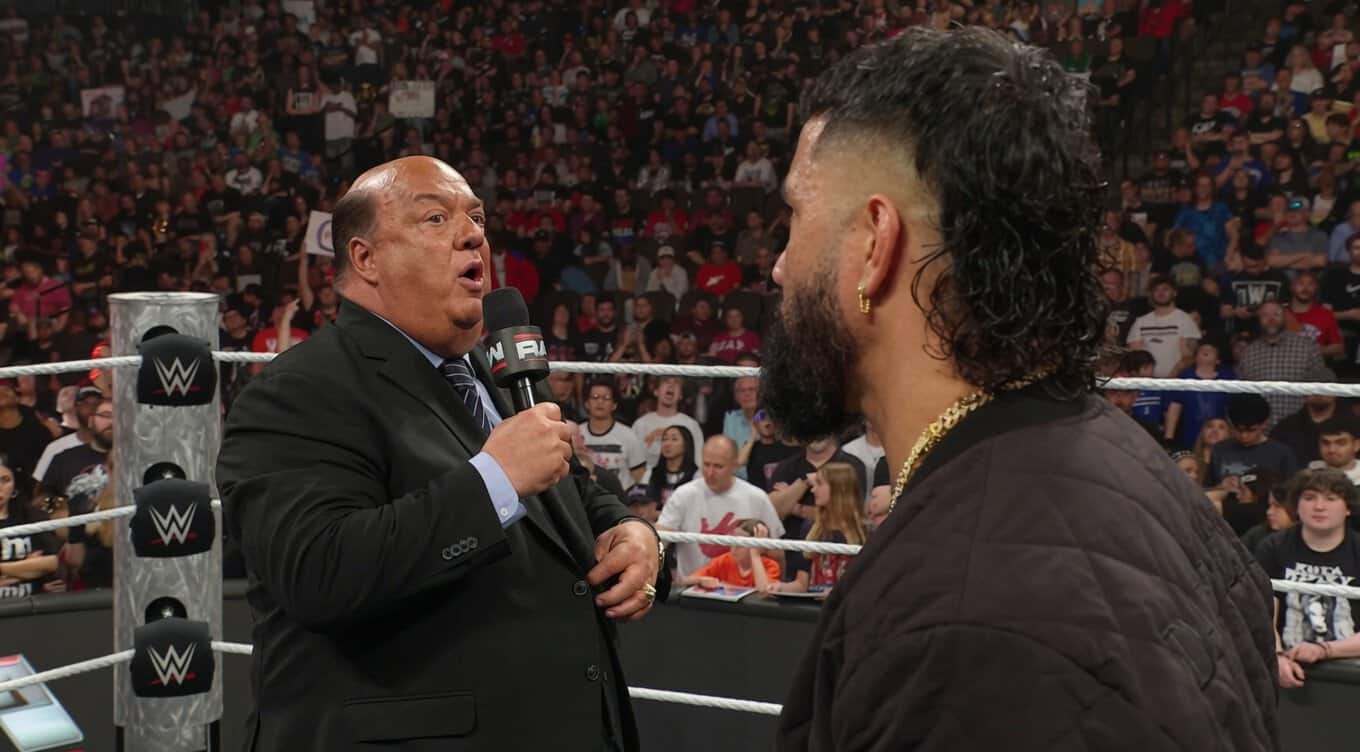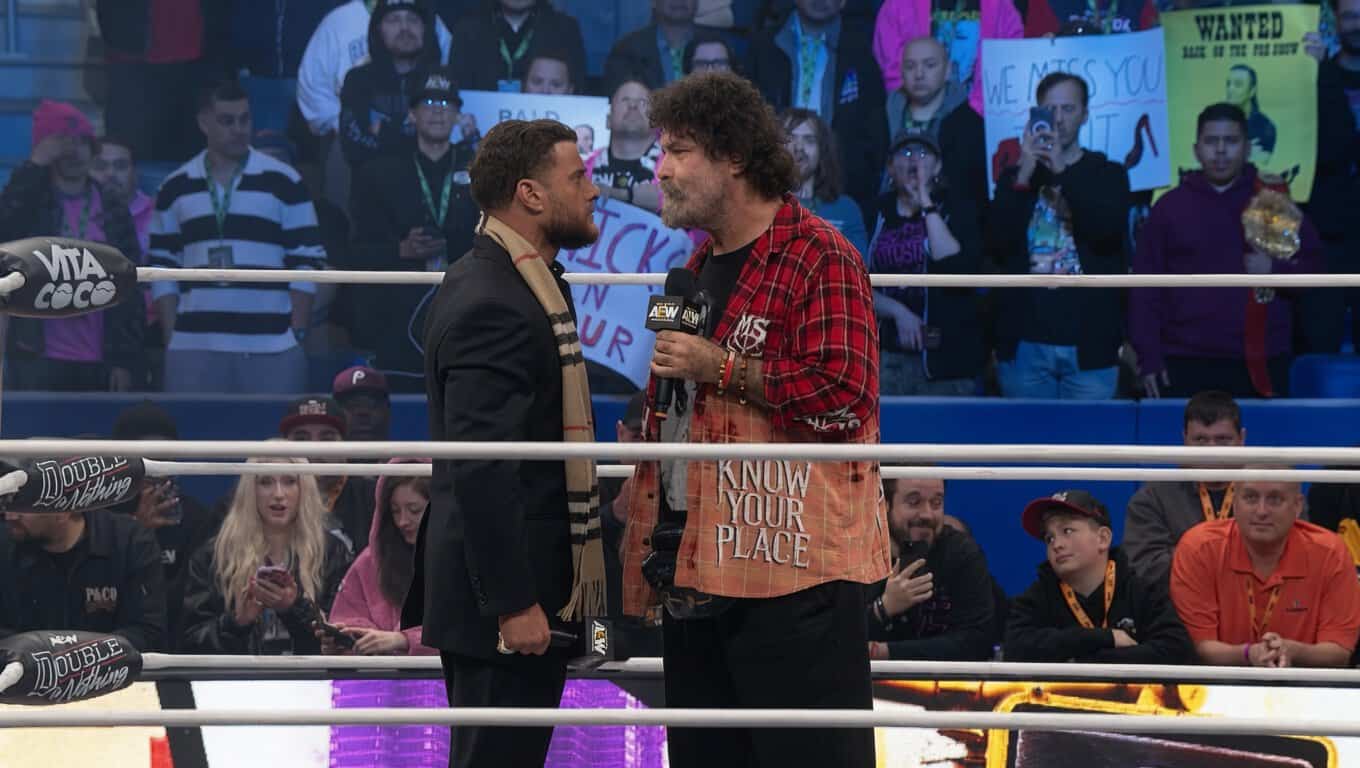
The midweek scramble
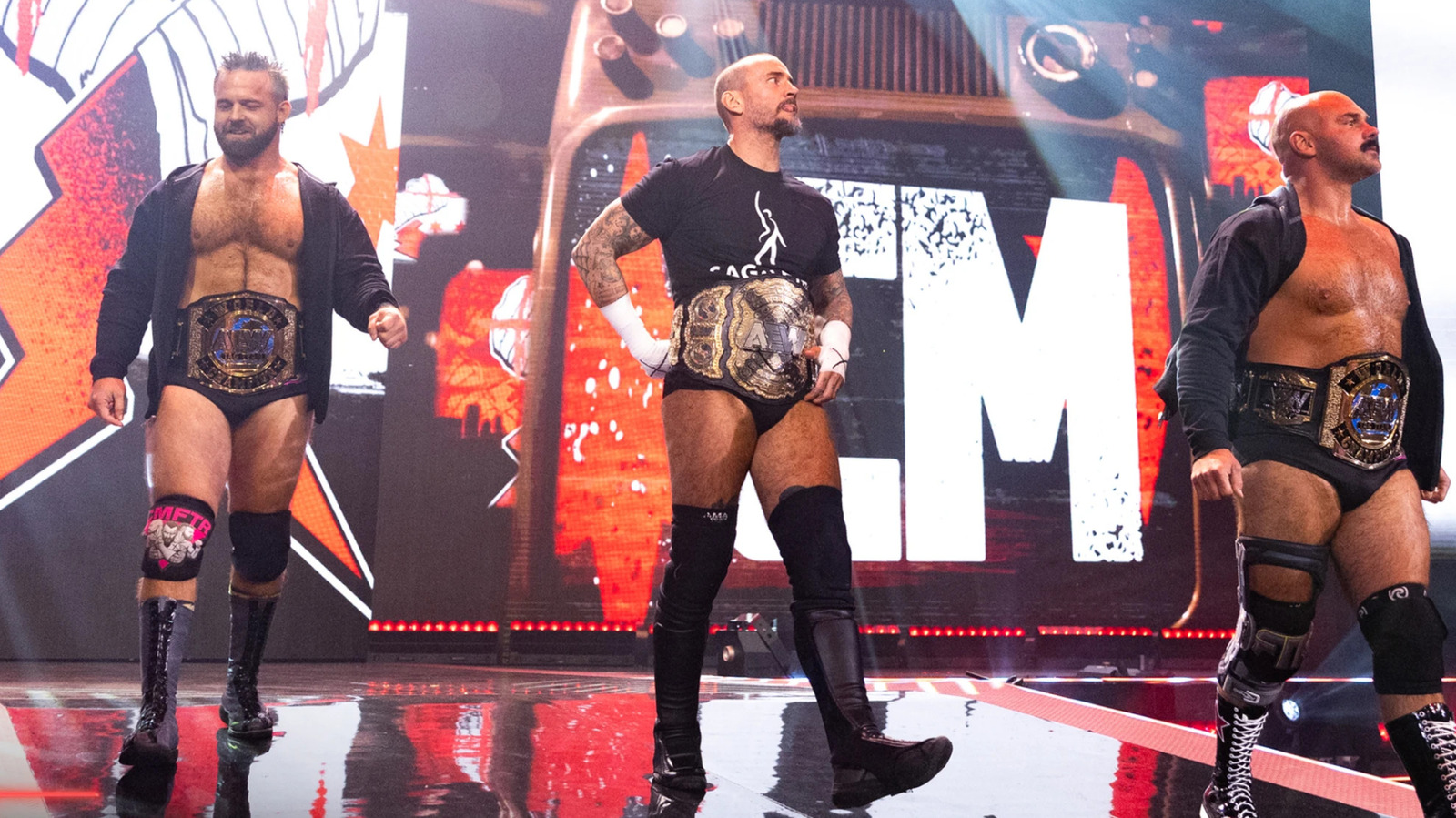
Tony Khan is treating this week’s AEW Dynamite card like a kid who forgot about a book report until the night before it’s due. We are looking at a lineup so packed it feels less like a wrestling show and more like a human traffic jam. When you see the number of segments squeezed into a two-hour window, you have to ask if someone in the front office just stopped hitting the delete key on their keyboard.
The current booking strategy feels like an attempt to prove a statistical point. If you have forty talented wrestlers on the payroll, you act like you have to mention every single one of them in the same episode or risk them poofing into thin air. It is exhausting, but honestly, it is the kind of chaotic energy that keeps people glued to the screen.
Quality versus quantity
Here is the reality check: you cannot have a 20-minute iron-man match followed by three high-stakes title bouts and expect anyone to have an attention span left for the main event. By the time the final bell rings, the crowd is usually exhausted, and the nuance of a finishing sequence gets lost in the noise of a show that refused to breathe. When you pile on matches, you aren't just adding content; you are actively diluting the impact of your best performers.
Look at how the backstage logistics function during these heavy-rotation weeks. The coordination required to get everyone through the Gorilla position without a pile-up is a miracle. It is like trying to organize a mosh pit at a library. It is impressive, sure, but why are we doing it? Sometimes, a simple, focused build-up creates a better payoff than a card that looks like a grocery list for a small army.
The hidden price of the heavy load
Let’s talk about the downside of this booking philosophy. When you shove five or six matches into a broadcast, the segments often get chopped down to their absolute bare essentials. We lose the promo work that gives context to the animosity. We lose the character beats that turn a standard back-and-forth into a story people actually care about. When a match ends because the producers are screaming into headsets about the hard out at 10:00 PM, the artform suffers.
I get the logic of wanting to feature as many people as possible. AEW has a deep roster full of guys who deserve their 15 minutes of glory. However, there is a point where the roster depth becomes a liability because the clock is a cruel mistress. You end up with fantastic athletes doing a quick flurry of spots just to hit their cue before the commercial break forces a pivot.
The fan experience
Despite the lack of pacing, we keep watching. Whether it is a messy build-up or a tightly scripted masterpiece like the tension surrounding the, Forbidden Door fallout rumors, the sheer volume ensures something will hit. You might roll your eyes at the three-way tag team match that felt like filler, but the opening promo usually reminds you why the promotion exists in the first place.
We are essentially witnessing a booking experiment that prioritizes constant noise over deliberate storytelling. It is the wrestling equivalent of a hyper-edited TikTok feed. While it might give the metrics a temporary bump, I wonder about the long-term cost to the audience's investment. If everything is a high-speed car chase, the audience eventually stops caring who is driving the cars.
I enjoy the chaos, but Tony Khan needs to learn that sometimes less is actually more. You don't need to fit the entire catalog of your company into the weekly broadcast to keep the fans satisfied. Give us three matches that matter, a solid angle that breathes, and cut the rest. You might find that the audience actually remembers what happened on the show the next morning.