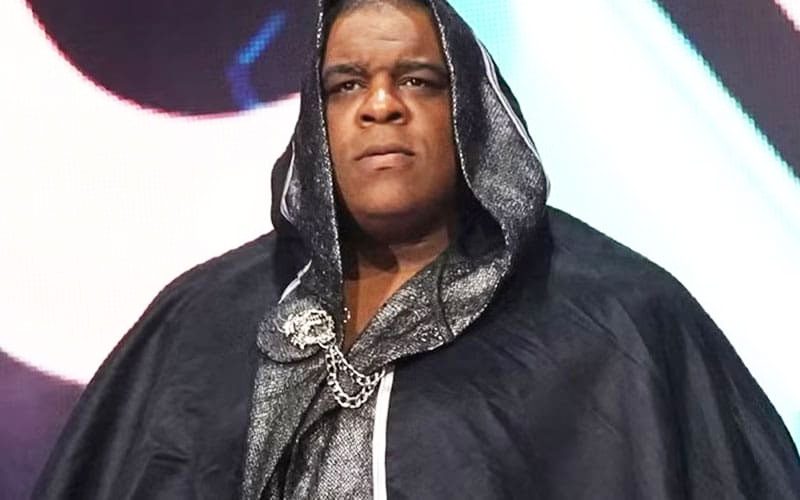
The long silence surrounding Keith Lee
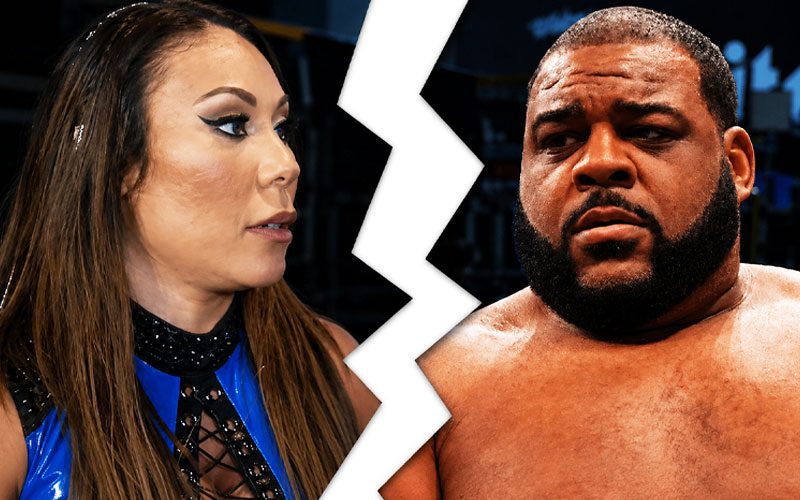
The absence of Keith Lee from AEW television has stretched into its second year. Beyond the initial speculation regarding medical clearance, the industry buzz has shifted toward a more permanent outcome. Reports suggest that Lee, who has been sidelined since late 2023, is believed to be retired from professional wrestling. For a performer of his stature, this represents a grim conclusion to a high-profile signing that promised to redefine the heavyweight bracket.
Tony Khan’s roster management often relies on the assumption of eventual returns. When stars vanish for months, the promotion typically fills the gap with short-term booking cycles. However, the lack of a formal announcement regarding Lee creates a void that impacts both creative pacing and audience trust. Fans are left waiting for a return that the current data suggests is logistically impossible.
Creative inertia and the booking trap
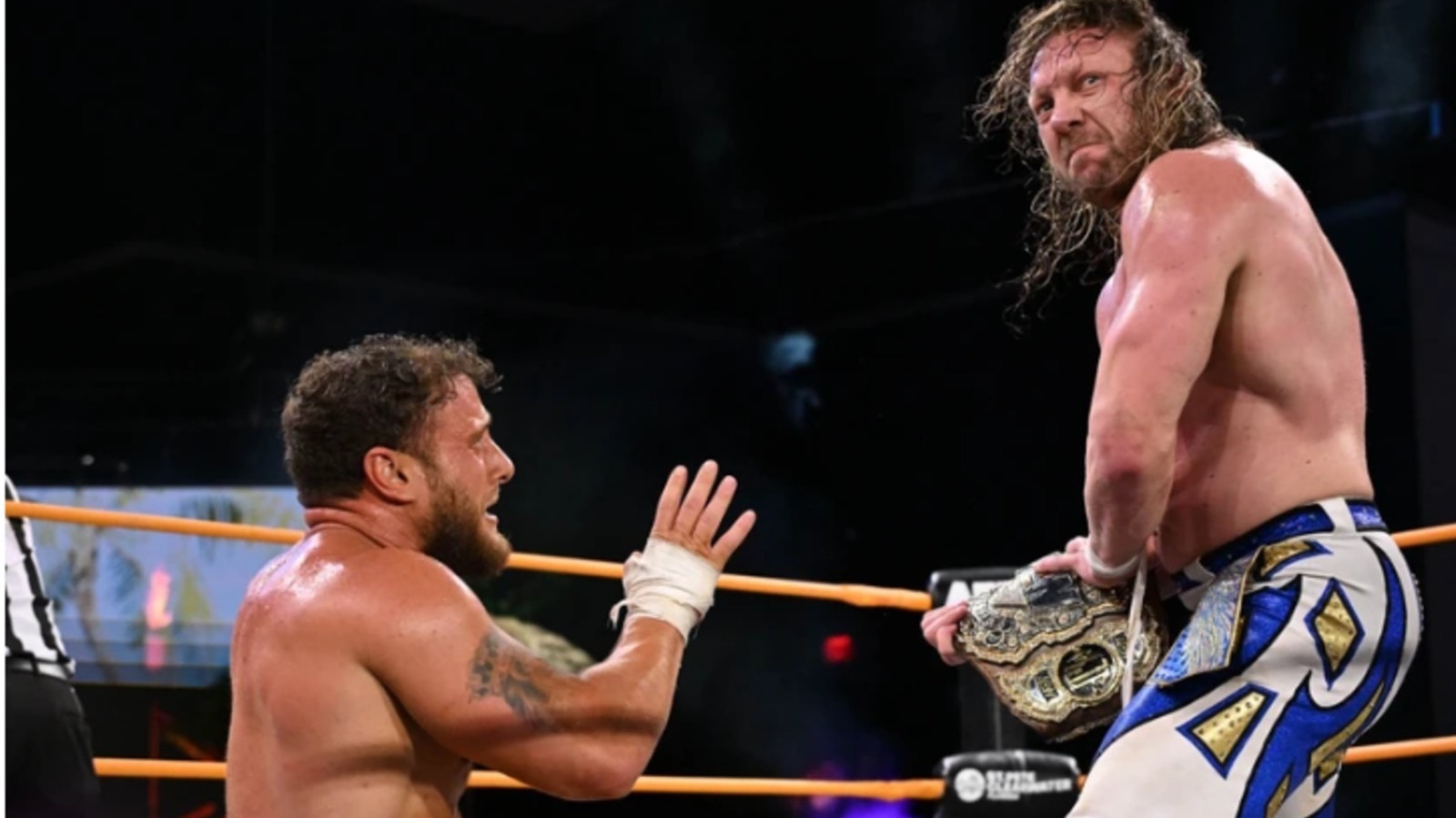
When the company prioritizes massive rosters, the consequence is often a lack of focus on established main-eventers. We saw the friction caused when Kenny Omega pinned MJF at Beach Break, signaling a shift that alienated swathes of the hardcore viewership. Viewership numbers, which sat at 773,000 following that switch, tell a story of a fanbase struggling to track the company’s tonal fluctuations.
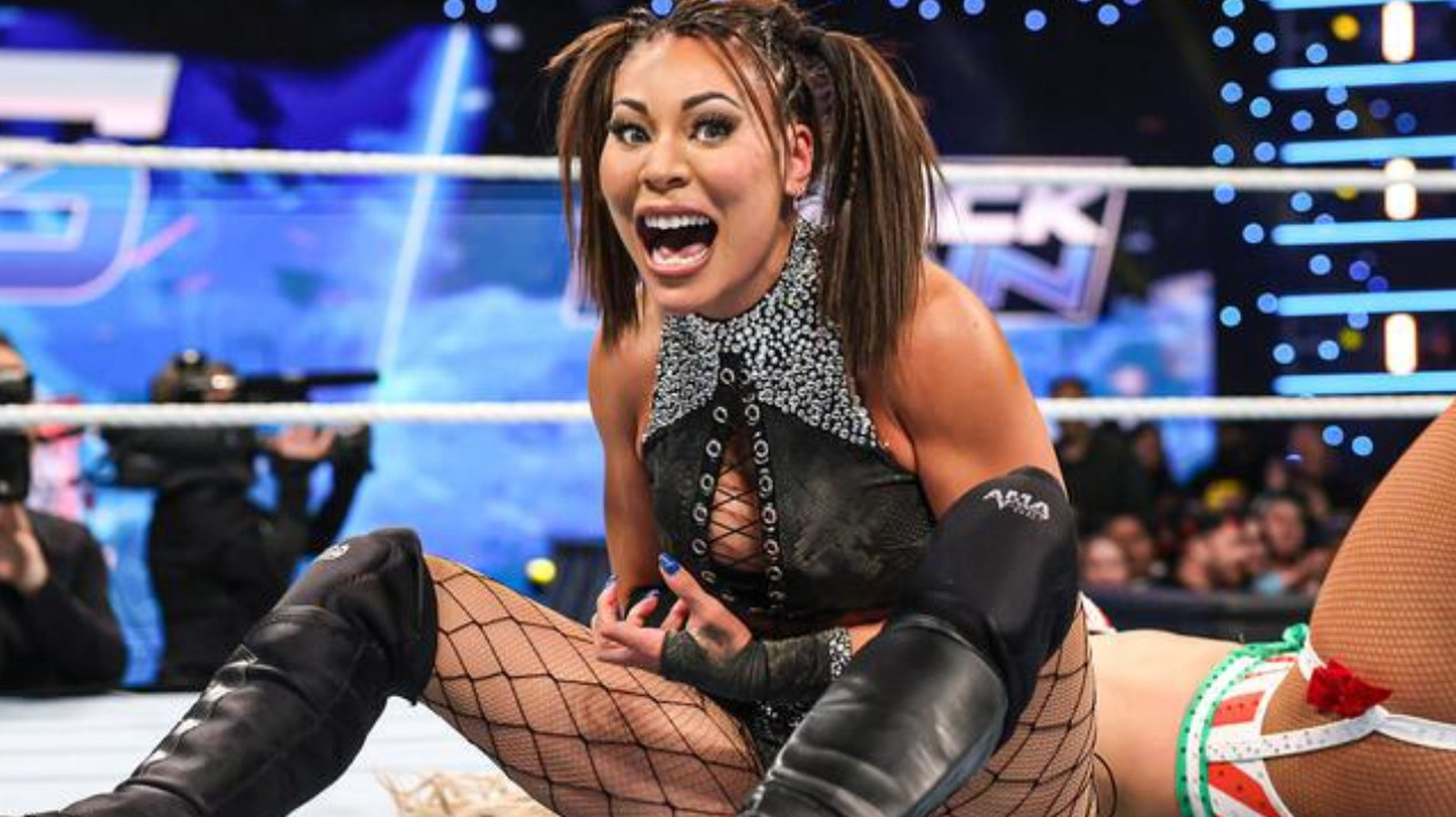
The decision to pivot booking philosophies mid-cycle is a high-risk maneuver. When you pull the trigger on a title switch to inflate interest, you alienate the audience that prefers long-term continuity. The recent confirmation by Mia Yim regarding the finalization of her divorce from Lee underscores the human element rarely discussed in these creative equations. Professionals are not assets on a ledger, and the public scrutiny of their private lives often complicates their transition back to the ring.
The missed opportunity of the heavyweight division
The most egregious failure regarding the Keith Lee project remains the utilization of his mobility-meets-power style. During his initial run, the booking often forced him into traditional tag sequences rather than utilizing his unique explosive capacity. Matches that peaked at 14 minutes often felt truncated because the pacing favored quick transitions over the methodical power-based spots that made him a standout in previous territories.
We are watching a clear case of creative neglect. When you have a talent capable of high-angle spots, you do not bury them in the mid-card or leave them in the dark for consecutive calendar quarters. The failure to facilitate a meaningful send-off or a comeback leaves the archive feeling incomplete. It is a cynical way to treat a performer who brought significant value to the broadcast product before his physical decline.
The cost of uncertainty
My prediction for the remainder of this fiscal year is simple: AEW will continue to struggle with audience retention if it does not address its talent status reports with higher transparency. Silence is not a strategy; it is a vacuum that allows rumors to displace facts. Expect the needle to hover between 600,000 and 700,000 viewers until there is a clear, definitive direction for the vacant heavyweight slots left by inactive talent.