The WarGames logistical nightmare is here
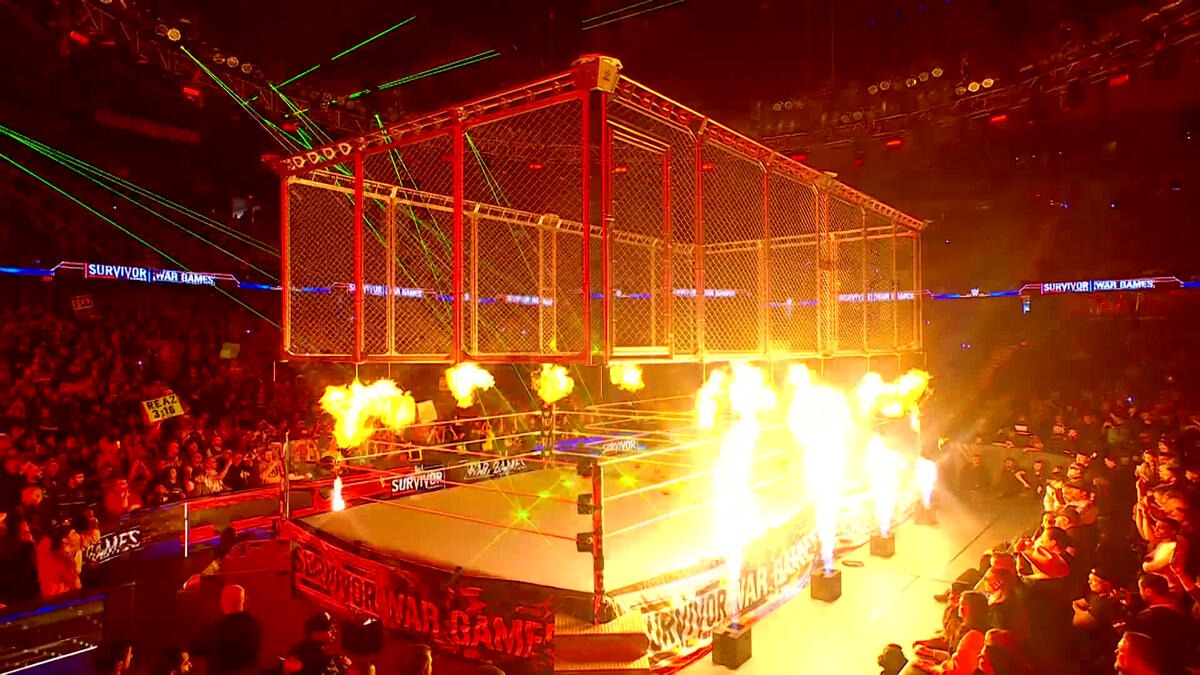
Survivor Series is back, and if you believe the whispers circulating around the locker room, we are looking at a seven-team gauntlet for the double-ring cage. Fourteen people in two rings with nowhere to hide is a booking nightmare that makes the 1992 Royal Rumble look like a quiet game of checkers. We are currently sitting in mid-July, and the creative team has to figure out how to balance the Bloodline, the new guard, and whatever experiments they have brewing on Raw.
The concept of WarGames works best when there is actual, genuine heat. If you just shove two teams of five in there because the quarterly earnings report said it was time, it falls flat. We have seen this happen before. Remember the NXT era? It worked because Gargano, Ciampa, and Cole actually wanted to kill each other. If I have to watch a group of mid-carders pretend to be rivals for the sake of a gimmick match, I am buying my popcorn elsewhere.
The Bloodline looms too large
Let's address the elephant in the room: the Bloodline factor. You cannot run a WarGames event without the faction that has dominated the conversation for three years straight. Whether it is an internal collapse or a brutal war against an uprising, they are the anchor. Anyone tasked with working a program against them has to carry their end of the bargain, or they risk getting swallowed whole.
Then you have the wild card faction, clearly being groomed for a major spot. If Triple H keeps pushing this vertical video experiment—as recent reports on their ReelShort partnership suggest—he might try to force these crossover segments into the Survivor Series narrative. It feels like an oil-and-water situation. Wrestling fans want teeth-shattering violence in the cage, not social media skits that last 60 seconds.
Why seven teams is too many
Seven teams for seven total slots in this format creates a bloated product. You cannot give every single person in a fourteen-man cage match the time they need to shine. You end up with guys standing in corners, tapping their boots, waiting for their turn to take a bump. It stops being a match and becomes a chaotic, disjointed mess that misses the point of professional wrestling.
We need fewer bodies and more psychology. Give me four guys who have a story that stretches back six months. Let them tear the paint off the steel. The obsession with filling every second of television with massive multi-man tags is, frankly, tiring. It devalues the win-loss record and makes the whole show feel like an exhibition rather than a blood feud.
The booking disaster waiting to happen
Looking at the heavy-handed approach to these new microdrama segments, I am worried the writing team is losing the plot on long-form storytelling. WarGames is the peak of long-form drama. You have to weave the seeds in September to harvest the hatred in November. If they are focusing on mobile phone apps, they aren't focusing on the slow-burn turns that make November special.
The current state of the mid-card is also a massive concern. You have guys hovering around the outskirts of the title scene, like Joe Hendry or Jacob Fatu, who are clearly being pushed. Are they going to be ready for the pressure of a WarGames main event under the bright lights of November? One minor misstep on the cage door transition at the 22-minute mark can ruin the entire rhythm of the match.
I will be watching,もちろん. I always do. But I am keeping my expectations grounded in reality. This isn't the 90s, the roster isn't made of stone, and the booking office is currently obsessed with chasing engagement metrics on phones instead of butts in seats. If they pull it off, it will be a miracle of scheduling. If they don't, it will be the loudest, messiest train wreck of the year.